
Neuropathy Condition
Post-Surgical Neuropathy
You were told to live with it. We disagree.
Post-surgical neuropathy is nerve damage resulting from surgery — back, hip, knee, or abdominal procedures are the most common culprits. It is often dismissed as an unavoidable complication, but for many patients, targeted care can improve nerve function even months or years after the operation.
By Dr. Logan Swaim · Last updated August 28, 2026
Get help with Post-Surgical Neuropathy
Three quick questions — we'll call you within 24 business hours.
Understanding Post-Surgical Neuropathy
What It Is & Why It Happens
Surgery creates an unavoidable insult to surrounding nerve tissue. Retraction, cauterization, tourniquet use, and post-operative scarring can all damage peripheral nerve fibers. For most patients, the damage is temporary and resolves within weeks or months. For a significant minority — particularly those who had major back, hip, or knee surgery — the nerve damage persists. They are left with numbness, burning, or weakness in the surgical area and are told it is just part of the recovery.
What often goes unaddressed is the role of scar tissue and chronic inflammation in maintaining that nerve dysfunction. When the nerve is still partially intact — which is true for most post-surgical neuropathy cases, as opposed to CIPN or diabetes — the barrier to improvement is often the environment surrounding the nerve rather than the nerve itself. Scar tissue compresses. Chronic inflammation perpetuates dysfunction. Poor local circulation means the nerve does not have what it needs to repair.
Dr. Logan Swaim, MS, DC's post-surgical neuropathy approach targets the environment around the nerve. Shockwave therapy has a specific mechanism of action for breaking up scar tissue and promoting new blood vessel formation. Red light therapy reduces local inflammation and supports mitochondrial function in damaged nerve cells. Chiropractic care addresses any structural contributors — misalignment at the surgical site or upstream in the nervous system — that may be perpetuating the problem. The assessment comes first; then a plan that is honest about what is achievable.
Common Symptoms
Signs You May Be Dealing With Post-Surgical Neuropathy
- Numbness or tingling in the area supplied by nerves near the surgical site
- Burning or aching pain that began after surgery and persists
- Weakness or reduced motor control in the limb near the surgery
- Sensitivity or hypersensitivity of the skin at or around the scar
- Balance or gait changes following back, hip, or knee surgery
- Pain that is different from the original problem that prompted surgery
- Symptoms that worsened after a period of apparent improvement
Explore these symptoms in depth:
How We Help
Our Treatment Approach
Dr. Logan Swaim, MS, DC has spent years specializing in peripheral neuropathy. Every program begins with a comprehensive nerve function assessment before any treatment is recommended.
- Detailed surgical history: procedure type, complications noted, timeline of symptom development, and prior nerve evaluations
- Comprehensive nerve function assessment: 16-point sensory exam, circulation measurement, balance testing at the affected site and systemically
- Shockwave therapy to address scar tissue adhesion, promote angiogenesis, and reduce local fibrosis that may be compressing nerve tissue
- Red light therapy to support mitochondrial function in damaged nerve cells and reduce chronic local inflammation
- Chiropractic neurological care to address structural contributors — including upstream spinal segments that may be amplifying the peripheral symptoms
- Honest prognosis discussion based on the type of nerve injury (neuropraxia vs. axonotmesis vs. neurotmesis) and the time elapsed since surgery
Inside the clinic
Where your care happens.
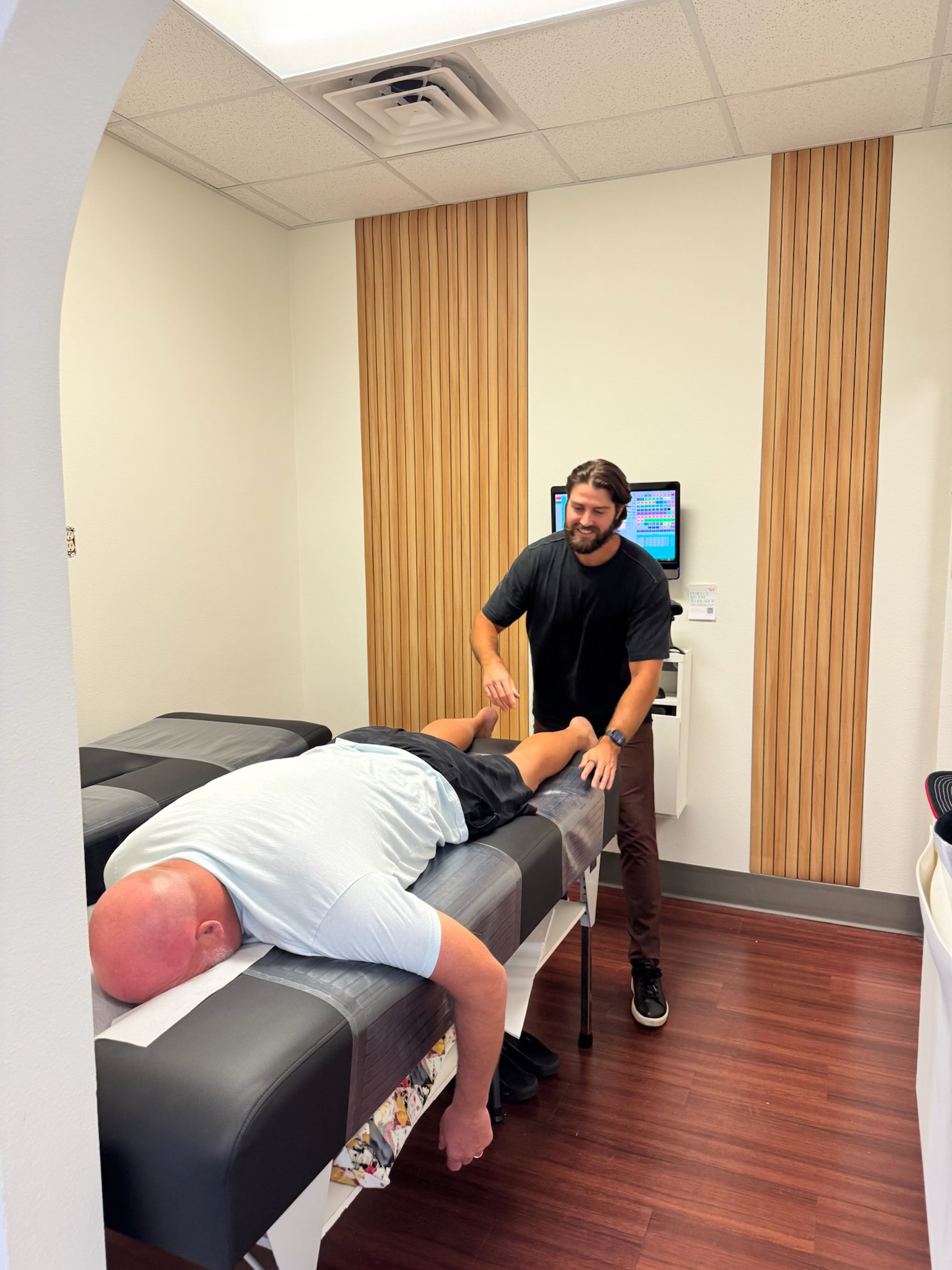
Precision adjustments, every visit.
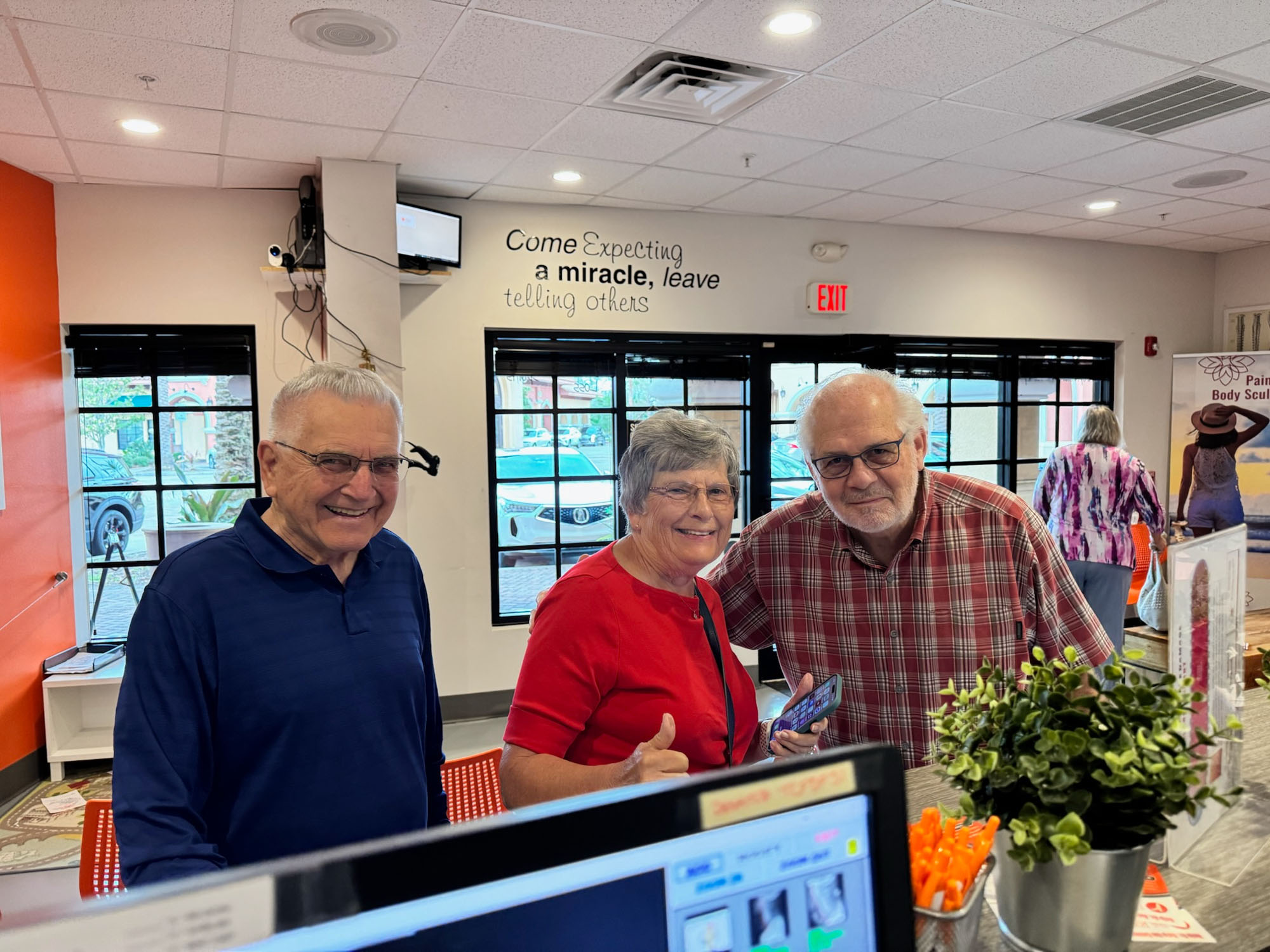
Seniors reclaiming mobility and confidence.
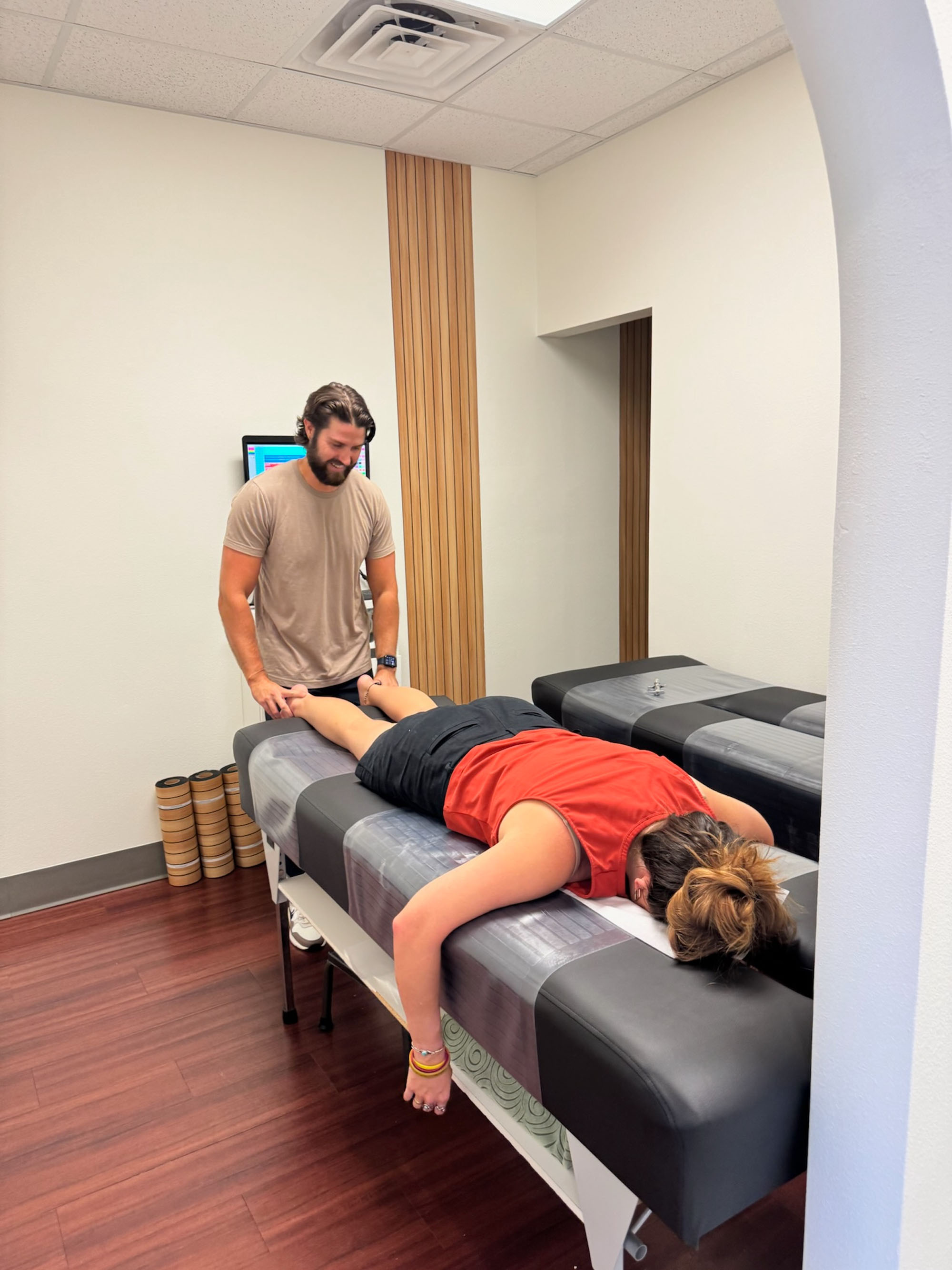
Precision over pressure.
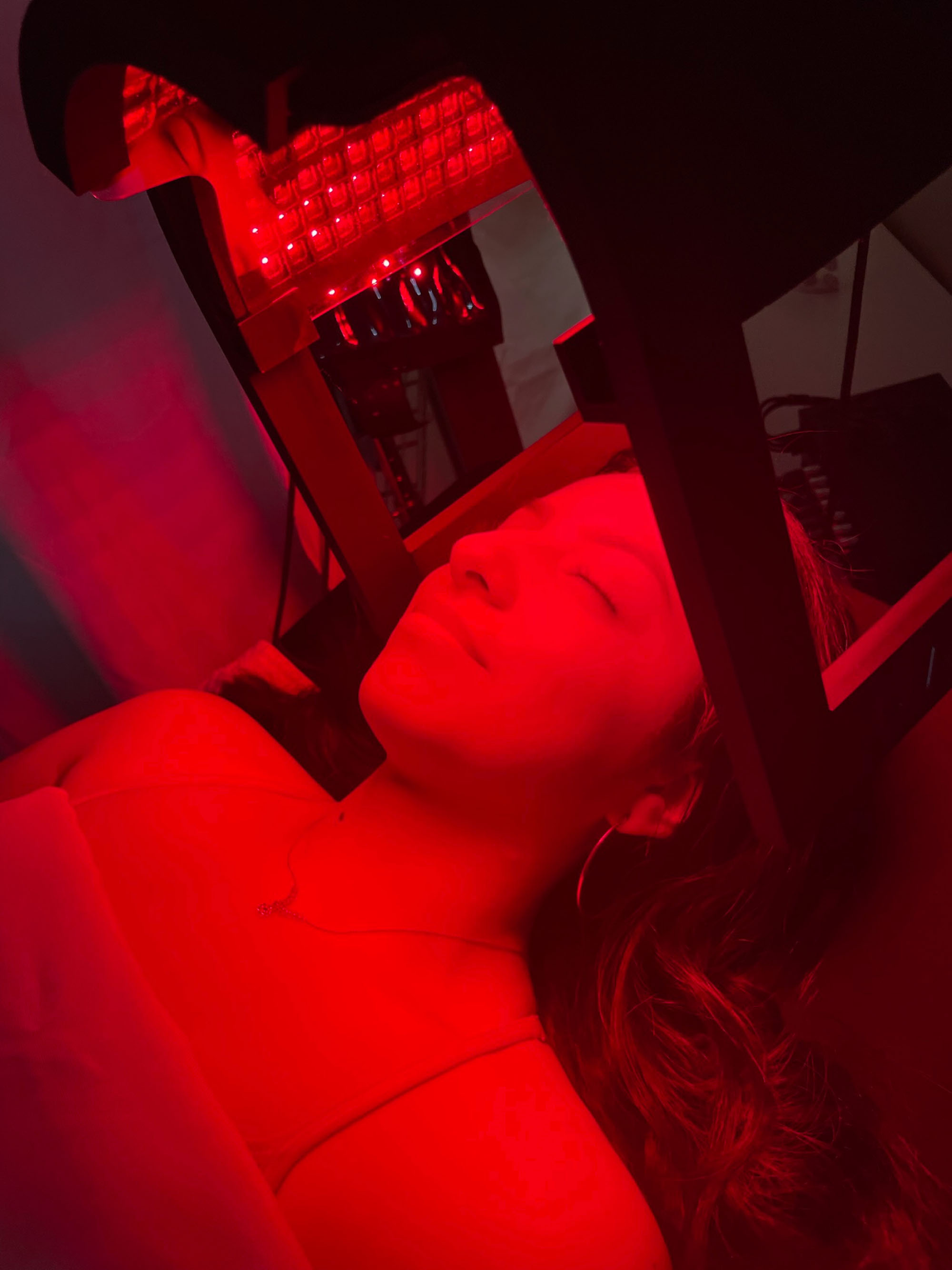
Medical-grade red light — paired with neuropathy care.
Keep Exploring
Meet the team
Treatments That Help
Therapies Used for Post-Surgical Neuropathy
Neuropathy Treatment
Reversing nerve damage without surgery or medication. Dr. Logan Swaim wrote the book on it — literally.
Learn More
Shockwave Therapy
For chronic pain that hasn't settled with rest or stretching. Drug-free and surgery-free, and each session takes 8–15 minutes.
Learn More
Red Light Therapy
Medical-grade red light therapy in a private, full-body room. Our DAHLIA Pinnacle Bed supports chronic pain, recovery, skin health, gut and neurometabolic health, and weight management — as part of a personalized care plan. Photobiomodulation that goes beyond a consumer sauna.
Learn MoreRelated Conditions
Other Forms of Neuropathy We Treat
Common Questions
Frequently Asked Questions
From the clinic
Watch: how we think about post-surgical neuropathy
Verified Google Reviews
What Neuropathy Patients Say
I’m enjoying my treatments at roots , I wish I would have found them sooner . They have helped me so much . I have neuropathy and before I started going I could barely walk and was in so much pain. Now after a little over 4 weeks my pain is barely there and walking is so much better! Also getting adjustments from Dr Logan and it’s improved how I feel physically, and has helped my sleep and more. There are so many different areas they can help you in , give them a call I highly recommend them.”
kimberly L.
Neuropathy TreatmentEveryone at Roots is super warm and inviting! There is a calming atmosphere and calming aroma the second you walk in. They are all about educating their patients! I have been going for about 3 months and I am feeling about 90% better! No more nerve pain as well as better sleep. Highly recommend!”
Sabrina T.
Neuropathy TreatmentNice to get to the root of my foot pain.”
Kelly W.
Neuropathy Treatment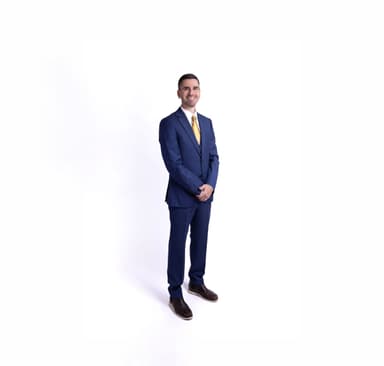
Who You'll See
Care led by a doctor who wrote the book on neuropathy
Dr. Logan Swaim, MS, DC co-directs The Roots Health Centers in Lakewood Ranch and is the author of The Truth About Reversing Neuropathy Now. Every neuropathy case at the clinic starts with his team's full evaluation — circulation, sensory response, and balance — before any care is recommended.
Meet Dr. Swaim →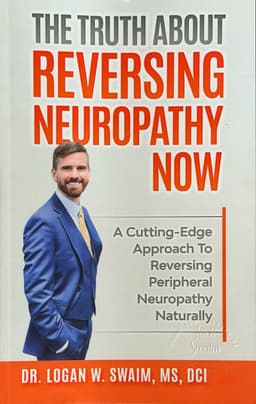
Written by Our Clinical Director
The Truth About Reversing Neuropathy Now
Dr. Logan Swaim, MS, DC wrote the book on what actually helps neuropathy — why nerves degenerate, what “you'll have to live with it” misses, and the drug-free approach we use at the clinic every day.
Read about the book →Drug-Free Care Options
How our program supports post-surgical neuropathy
Neuropathy Evaluation & Testing
Objective testing that shows what's actually happening in your nerves — circulation, sensation, and balance.
Balance Testing & Training
In-clinic balance measurement and retraining — because falls, not foot pain, are neuropathy's biggest everyday risk.
The Roots Neuropathy Program
Our structured, drug-free program built around the four things struggling nerves need most.
Red Light Therapy for Neuropathy
Painless 15-minute light sessions that support circulation — a core piece of our nerve-care plans.
Chiropractic Care for Neuropathy
Gentle, instrument-assisted care that supports the nervous system behind your symptoms.
Shockwave Therapy
Focused acoustic-wave treatment used where indicated to support circulation and tissue healing — 8–15 minutes per session.

Nutritional Support
Practical guidance on the nutrients nerves depend on — and the deficiencies that quietly work against them.
Next Step
Hear Dr. Logan explain your condition — before you commit to anything.
Our free neuropathy seminars cover the science behind nerve damage, what a comprehensive assessment looks like, and which patients are candidates for our program. No sales pitch. No obligation.
Visit The Roots Neuropathy
One clinic. One focused neuropathy program.


Dr. Logan Swaim, Dr. Laura Swaim & Dr. Grayson Fox
Meet the full teamThe Roots Neuropathy
a program of The Roots Health Centers
8209 Natures Way, Unit 115
Lakewood Ranch, FL 34202
(941) 877-1507- Mon
- 9–1 · 2–6:30
- Tue
- 11–2 · 3–6:30
- Wed
- 9–2
- Thu
- 9–1 · 2–6:30
- Fri
- 9–2
- Sat–Sun
- Closed
Ready to understand
what's driving your neuropathy?
Schedule a comprehensive evaluation with Dr. Logan Swaim, MS, DC and get a clear picture of what's actually happening — and what can be done about it.
*Includes consultation, 16-point sensory exam, circulation assessment & balance testing