

Conditions We Treat
Neuropathy has many causes.
We address all of them.
Diabetic, idiopathic, chemo-related, post-surgical — the cause of your nerve damage shapes the care plan. Dr. Logan Swaim, MS, DC, has worked with every type below.
Alcoholic Neuropathy
Alcoholic neuropathy is nerve damage caused by long-term alcohol use — through direct toxicity to nerve fibers and depletion of the B vitamins nerves depend on. With the drinking addressed, nerves have a genuine chance to recover. This page explains how, without judgment.
Learn More
Autonomic Neuropathy
Autonomic neuropathy is damage to the nerves that run your automatic functions — digestion, blood pressure, heart rate, sweating, and bladder control. It often travels alongside peripheral neuropathy in the feet and hands, and it deserves careful, coordinated care.
Learn More
Chemotherapy-Induced Peripheral Neuropathy
Chemotherapy-induced peripheral neuropathy (CIPN) is permanent nerve damage caused by certain chemotherapy drugs. For many cancer survivors, it is the symptom that outlasts treatment — tingling, numbness, and pain in the hands and feet that can persist for years after the last infusion.
Learn More
Diabetic Neuropathy
Diabetic neuropathy is nerve damage driven by chronically elevated blood sugar. It is the most common form of neuropathy in the United States, affecting roughly half of all people with type 2 diabetes. Numbness, burning, and tingling in the feet are the classic early signs.
Learn More
Idiopathic Neuropathy
Idiopathic neuropathy means the nerve damage has no identifiable cause after standard workup. It accounts for roughly one-third of peripheral neuropathy cases. The label is honest — but it should be the beginning of the conversation, not the end.
Learn More
Peripheral Neuropathy
Peripheral neuropathy is nerve damage to the peripheral nervous system — the vast network connecting your brain and spinal cord to the rest of your body. Numbness, tingling, burning pain, and weakness in the extremities are its hallmarks. It is treatable.
Learn More
Post-Surgical Neuropathy
Post-surgical neuropathy is nerve damage resulting from surgery — back, hip, knee, or abdominal procedures are the most common culprits. It is often dismissed as an unavoidable complication, but for many patients, targeted care can improve nerve function even months or years after the operation.
Learn More
Small Fiber Neuropathy
Small fiber neuropathy is damage to the smallest nerve fibers — the ones that carry pain and temperature signals and help run automatic functions. It causes burning, stabbing, and hypersensitivity, often with completely normal EMG results. Your symptoms are real, and they have an explanation.
Learn MoreWhy the Cause Matters
Not all neuropathy is the same.
Your plan shouldn't be either.
Diabetic neuropathy and chemotherapy-induced neuropathy both cause numbness and tingling — but the underlying mechanisms are different, which means the care emphasis differs too. Diabetic neuropathy involves metabolic and vascular nerve damage driven by blood sugar; CIPN involves direct toxin-driven axonal injury. The tools overlap, but the sequencing and priorities shift.
Dr. Logan Swaim, MS, DC performs a comprehensive nerve function assessment — 16-point sensory exam, circulation assessment, balance testing, and a thorough history — before recommending any program. The goal is never a generic protocol. It's an individualized plan built around your specific diagnosis, history, and goals.
Specialized neuropathy care
The work behind the results.
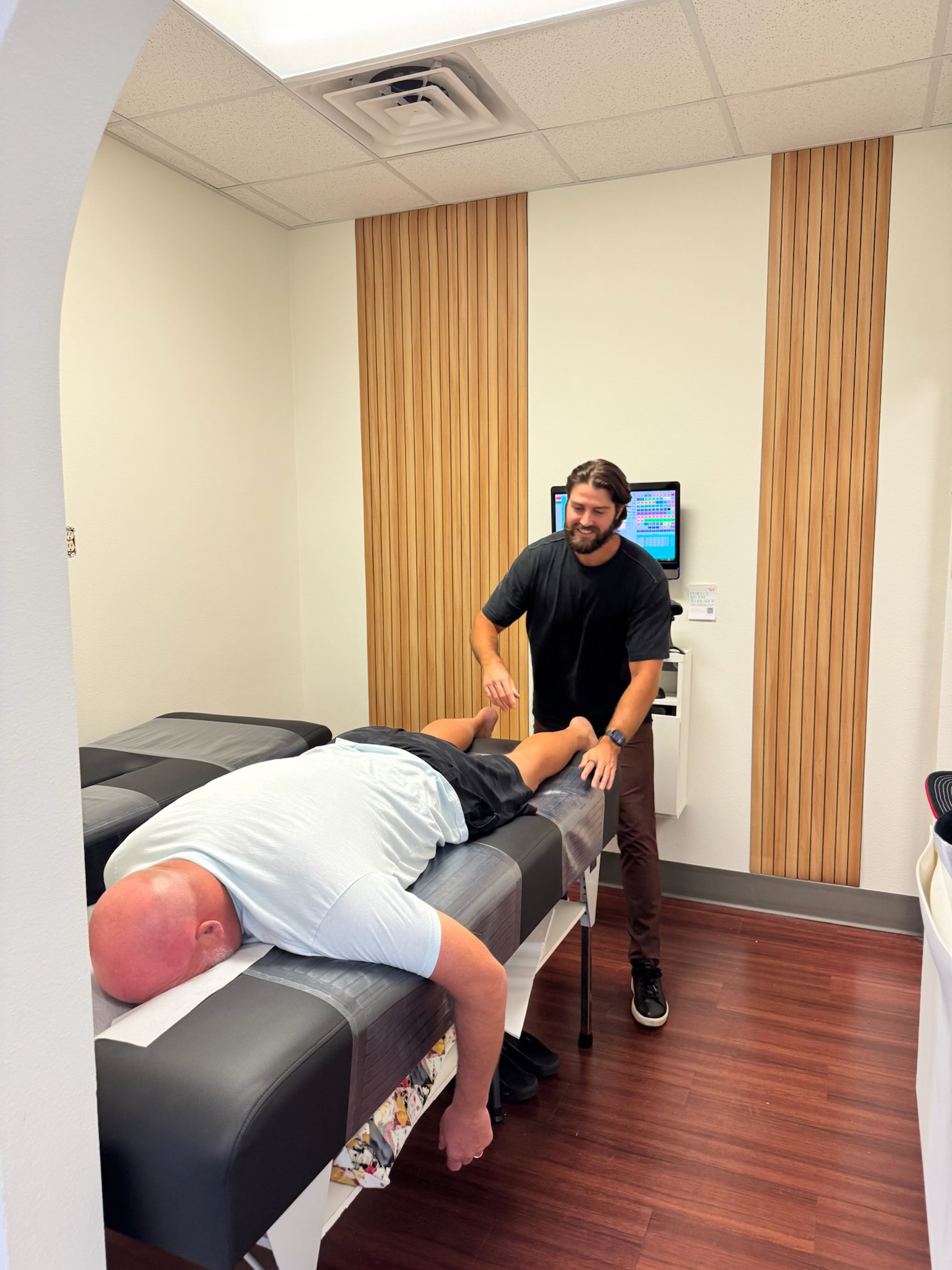
Precision adjustments, every visit.
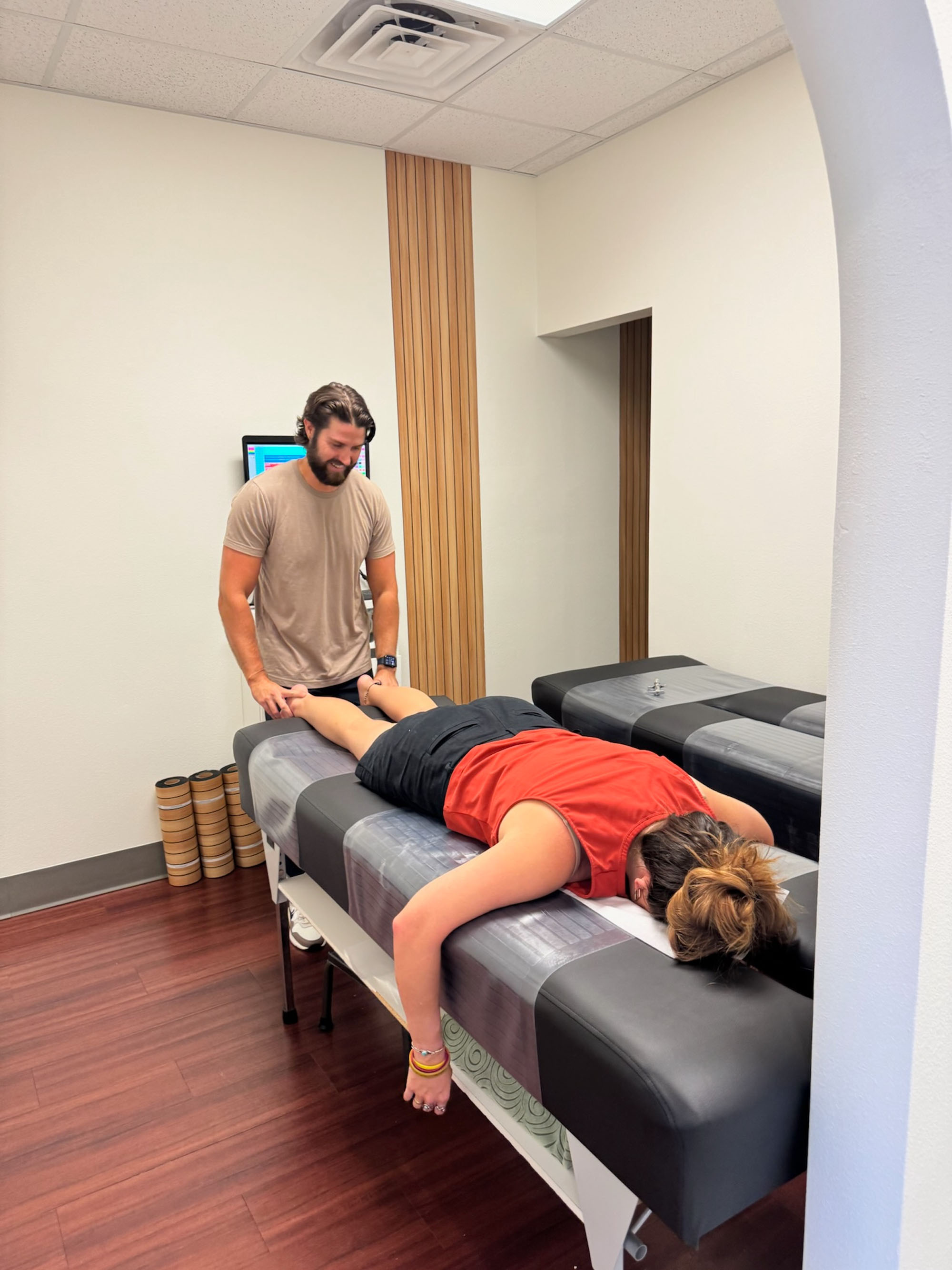
Precision over pressure.
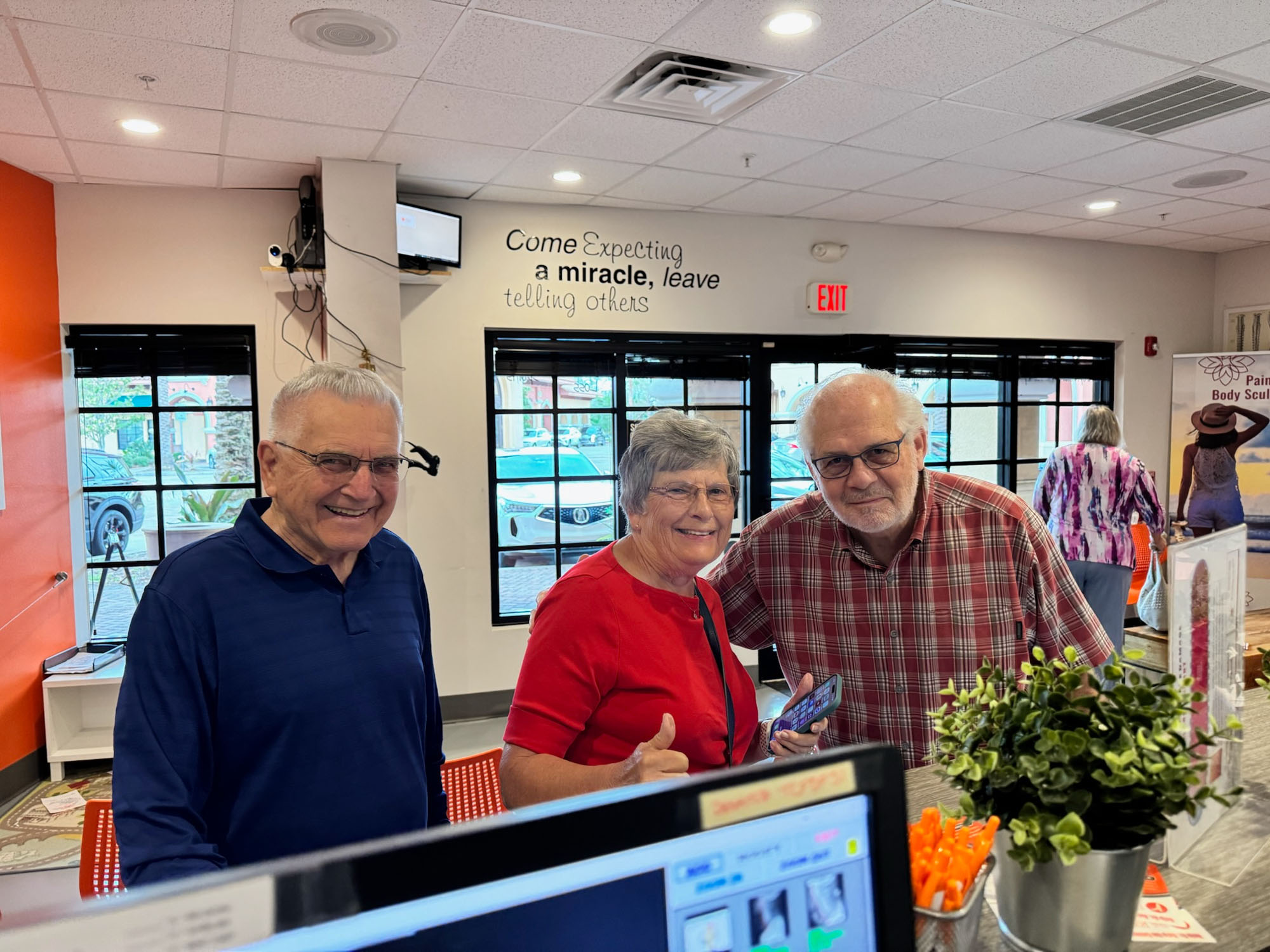
Seniors reclaiming mobility and confidence.
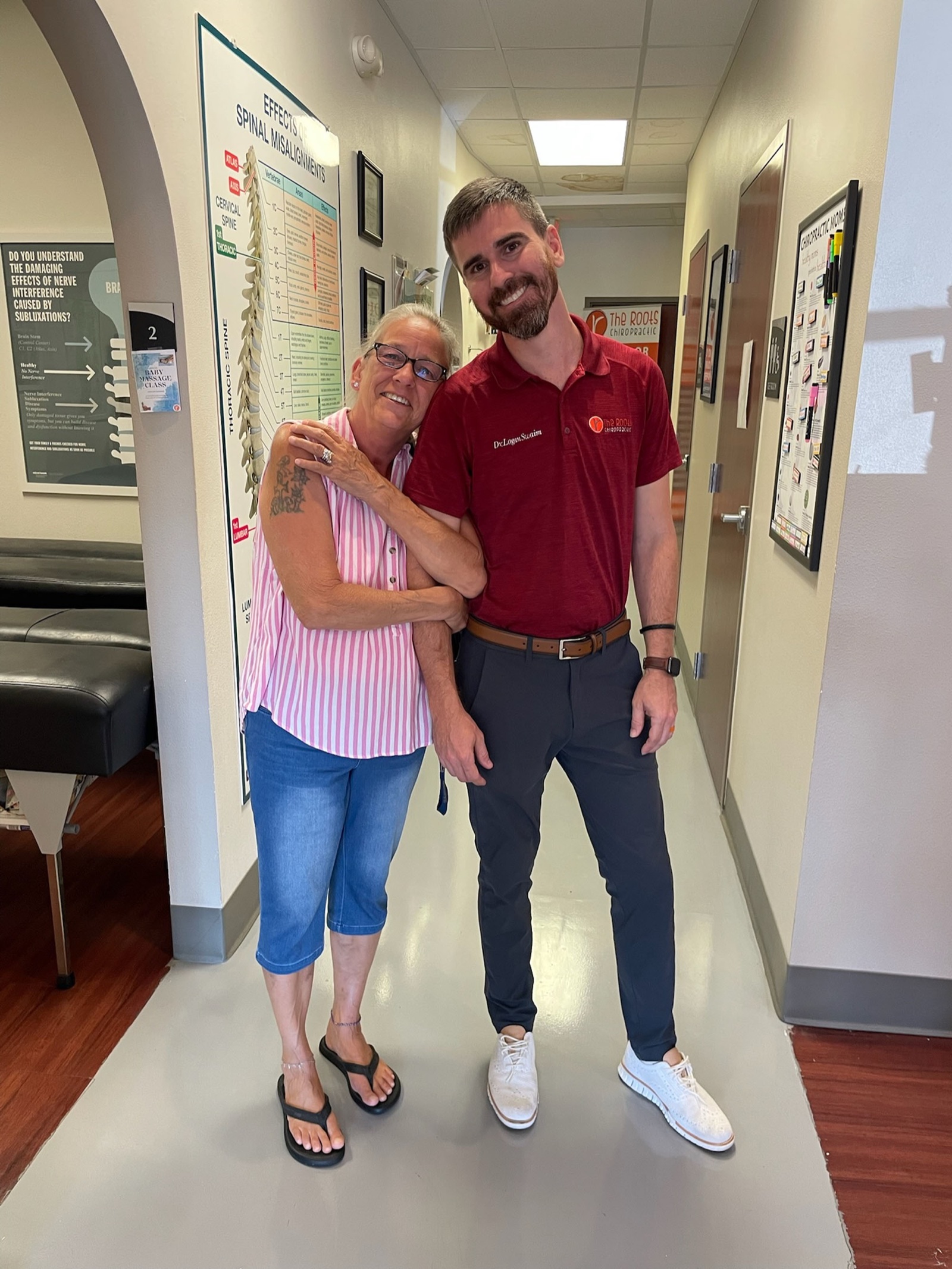
Every case starts with a conversation.
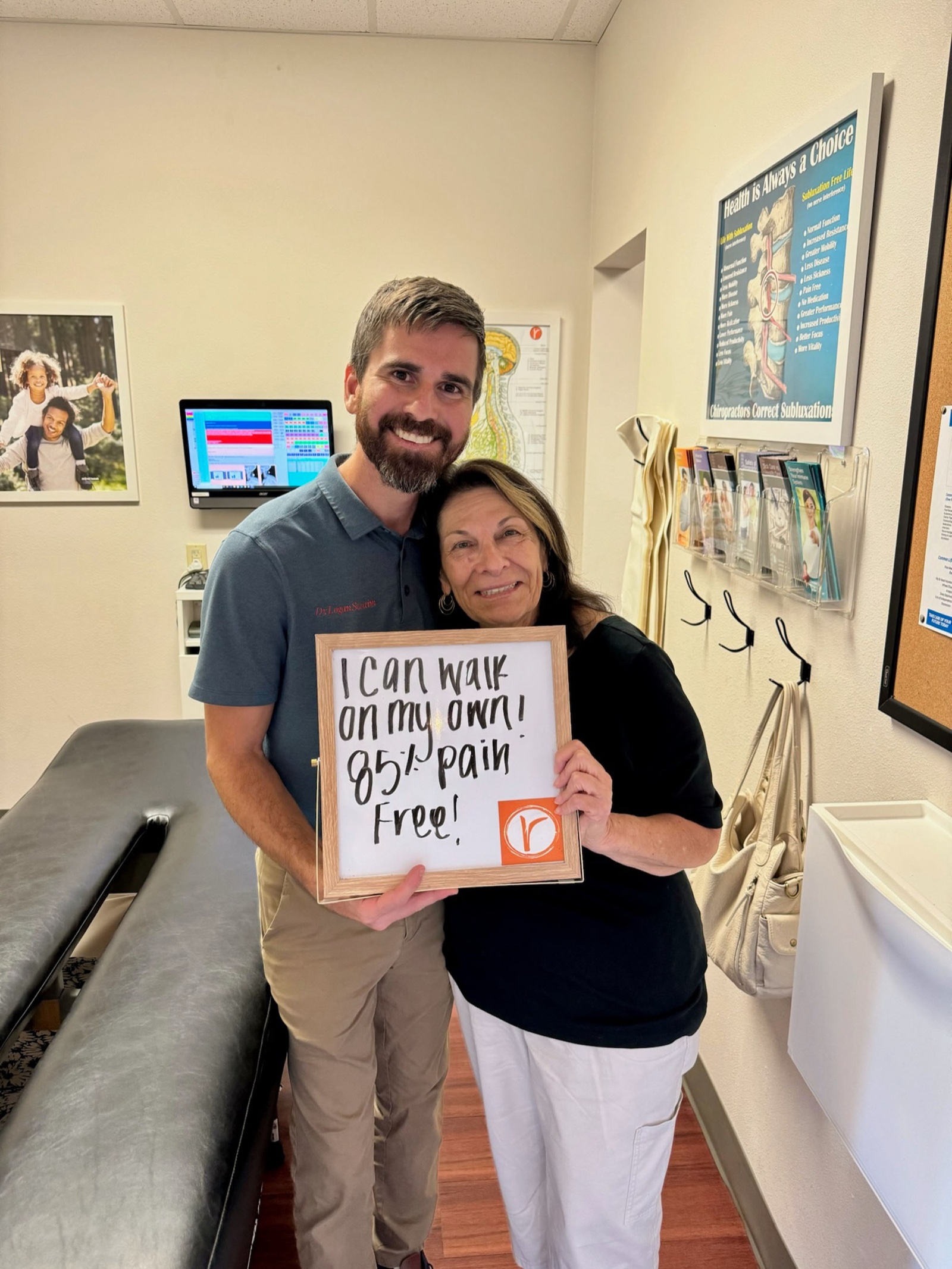
Real stories, real outcomes.
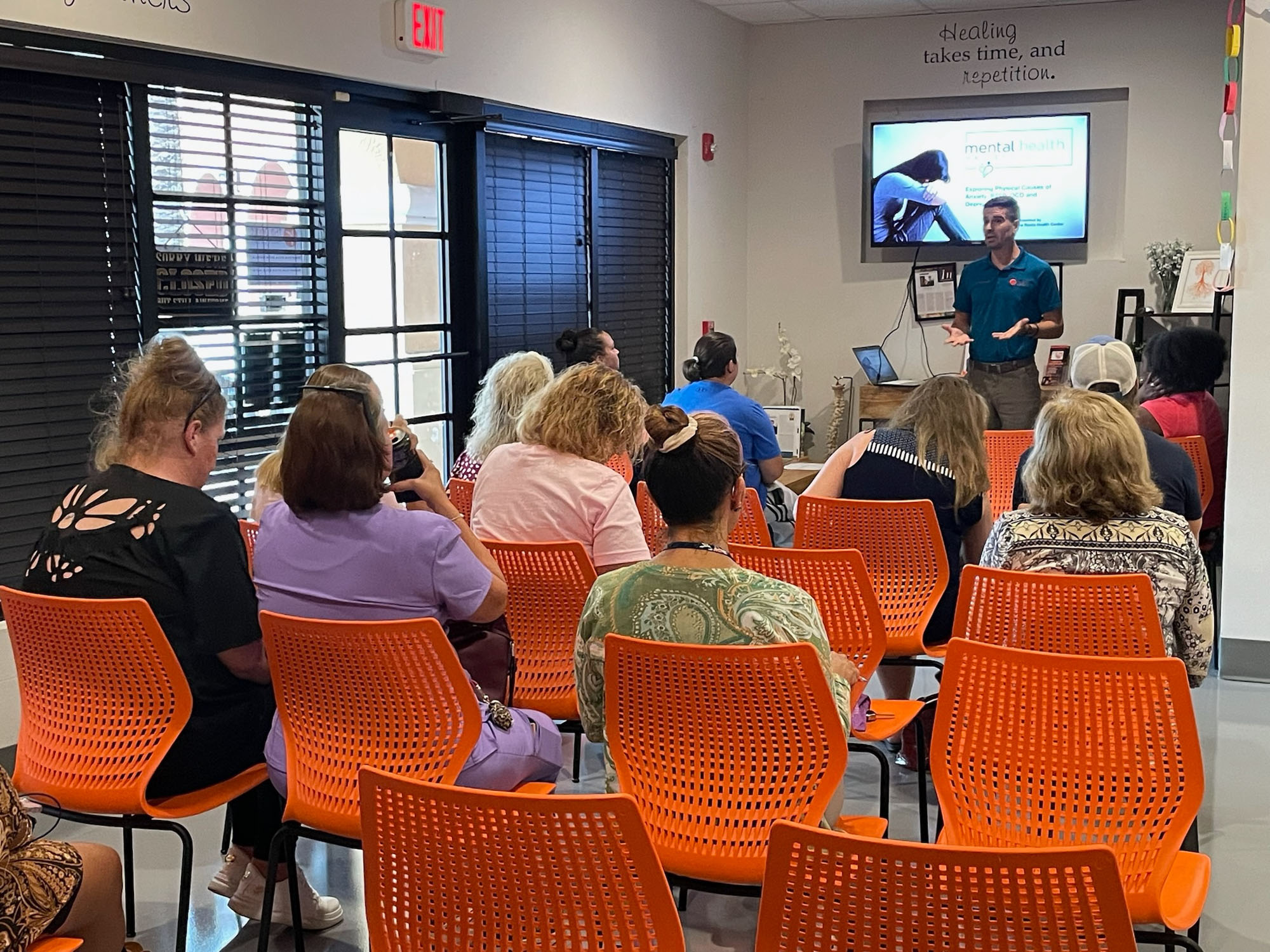
Monthly nervous-system seminars — teach first, adjust second.
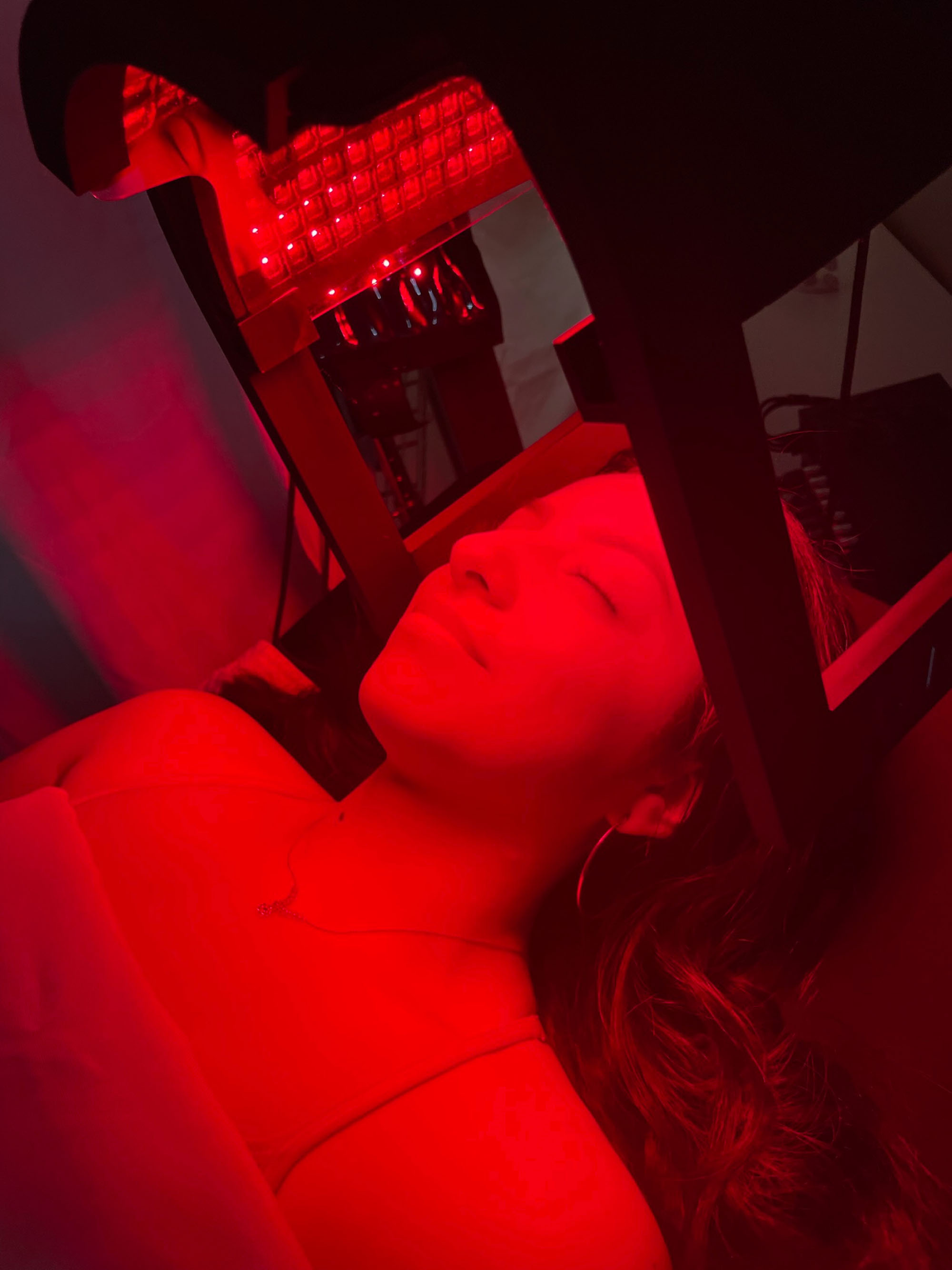
Medical-grade red light — paired with neuropathy care.
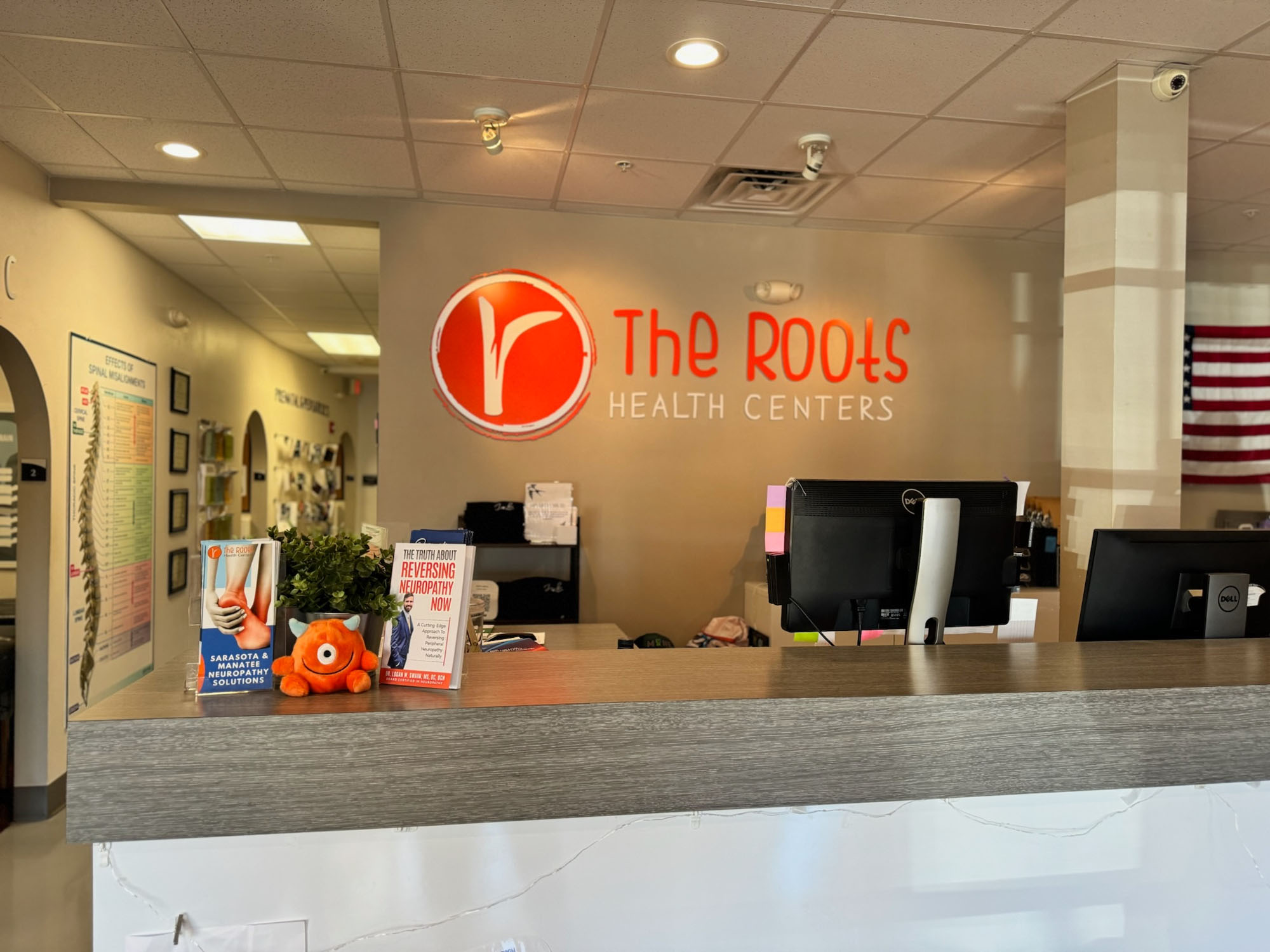
Dr. Logan wrote the book on reversing neuropathy.
Keep Exploring
Attend a free seminar
Know your diagnosis.
Know your options.
Schedule a comprehensive neuropathy evaluation with Dr. Logan Swaim, MS, DC.
*Includes consultation, 16-point sensory exam, circulation assessment & balance testing