
Neuropathy Program
FAQ
Neuropathy Questions Answered
Answers to the most common questions about neuropathy, our care protocol, and what to expect as a patient at The Roots Health Centers.
Frequently Asked Questions
Common Questions About Neuropathy Care
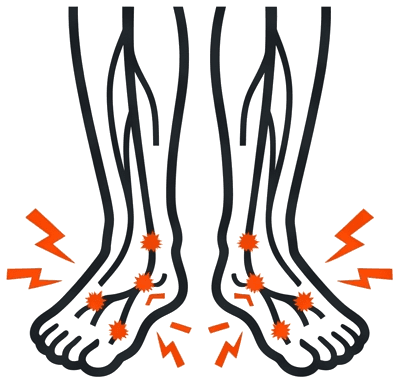
Peripheral nerves retain the ability to regenerate under the right conditions. The key factors are restoring adequate blood flow to the damaged nerves, reducing chronic inflammation, and providing targeted nerve stimulation. While results vary depending on the severity and duration of the damage, many patients experience meaningful improvement in sensation, pain reduction, and function when the root cause is properly addressed. The earlier care begins, the better the potential outcome.
Each person and case is different, so we take a personalized approach based on what your body needs. During your initial evaluation, we assess the extent of your nerve damage and provide a realistic timeline for your specific case. We track progress with objective testing throughout your care so you can see measurable changes — not just subjective improvement.
Coverage varies by insurance plan. Some components of our neuropathy protocol may be covered by your insurance, while others may not be. Our team will verify your specific benefits before care begins and explain exactly what is and isn't covered. We also offer payment options to make care accessible for patients with limited or no coverage. We believe cost should not be the reason someone gives up on their health.
This is the most common thing we hear from new patients. Most physicians are not trained in advanced neuropathy protocols — their options are limited to medication management. When medication stops working, there's nothing left in their toolkit, so they tell you to accept the condition. Our approach is different: we focus on the root cause of the nerve damage, not just the symptoms. Many of the patients in our program were told by previous doctors that nothing could be done.
No. Our protocol works alongside your current medications — we never ask patients to stop prescribed medications without their prescribing physician's guidance. As your care progresses and your condition improves, you can discuss medication adjustments with your prescribing doctor based on your results. Our role is to support the underlying nerve health; medication decisions remain between you and your prescribing physician.
The initial neuropathy evaluation includes a comprehensive health history review, a detailed neurological examination, and nerve function testing to assess the severity and extent of your nerve damage. This gives us objective data about your current nerve health — not guesswork. Based on the evaluation findings, we determine whether you are a candidate for our program and present a clear care recommendation with expected timelines.
Our neuropathy protocol is non-invasive and generally well-tolerated. Most patients describe the sessions as comfortable, and some find certain modalities relaxing. There are no injections, no surgery, and no recovery time required after visits. If you experience discomfort during any part of your care, our team adjusts the protocol to ensure your comfort.
Three things set us apart. First, we focus on addressing the root cause of nerve damage — not just masking symptoms with medication. Second, we use objective testing to measure your nerve function before, during, and after care, so progress is based on data, not guesswork. Third, Dr. Logan Swaim has spent years specializing specifically in neuropathy care and has literally written the book on the subject. This isn't a side offering — it's a core specialty of our practice.
Still Have Questions?
We're Here to Help
If your question wasn't answered above, call our office or attend a free seminar where you can ask Dr. Logan directly during the live Q&A.
Ready to Take the Next Step?
Schedule a neuropathy consultation or attend a free seminar to get started.