

Neuropathy Condition
Autonomic Neuropathy
When nerve damage reaches the systems on autopilot.
Autonomic neuropathy is damage to the nerves that run your automatic functions — digestion, blood pressure, heart rate, sweating, and bladder control. It often travels alongside peripheral neuropathy in the feet and hands, and it deserves careful, coordinated care.
By Dr. Logan Swaim · Last updated July 8, 2026
Get help with Autonomic Neuropathy
Three quick questions — we'll call you within 24 business hours.
Understanding Autonomic Neuropathy
What It Is & Why It Happens
Most people think of neuropathy as a feet-and-hands problem. But the same processes that damage the long sensory nerves can also affect the autonomic nervous system — the network that quietly runs everything you don't think about. When those fibers struggle, the symptoms are strange and easy to misattribute: feeling dizzy or lightheaded when you stand, food sitting heavy long after meals, sweating too much or hardly at all, a heart rate that doesn't respond the way it used to.
Autonomic involvement matters for two reasons. First, some of its symptoms — especially blood-pressure drops, fainting, and heart-rate changes — need proper medical evaluation to rule out conditions that require direct medical management. We take a physician-first posture here: if your history suggests anything that needs a cardiologist, gastroenterologist, or your primary doctor's attention, that referral comes before anything else. Second, autonomic symptoms often ride along with the burning and numbness of peripheral neuropathy, because the same underlying drivers — blood-sugar problems, inflammation, poor circulation — affect both systems.
Our role is supporting overall nervous-system health alongside your medical team: objective testing to understand how your nerves are functioning, care that targets circulation, inflammation, and structural stress on the nervous system, and honest coordination with the physicians managing the medical side. Autonomic neuropathy is a team sport, and we're comfortable saying so.
Common Symptoms
Signs You May Be Dealing With Autonomic Neuropathy
- Dizziness or lightheadedness when standing up
- Digestive trouble — early fullness, bloating, food that 'just sits'
- Sweating changes — too much, too little, or in unusual patterns
- A heart rate that stays high at rest or doesn't adjust with activity
- Bladder changes — urgency, hesitancy, or incomplete emptying
- Heat intolerance or trouble regulating body temperature
- Often paired with numbness, tingling, or burning in the feet
Explore these symptoms in depth:
How We Help
Our Treatment Approach
Dr. Logan Swaim, MS, DC has spent years specializing in peripheral neuropathy. Every program begins with a comprehensive nerve function assessment before any treatment is recommended.
- Careful history and screening first — symptoms that need direct medical evaluation get referred before any care is recommended
- Comprehensive nerve function assessment: sensory exam, circulation assessment, and balance testing to map how the wider nervous system is doing
- Care focused on the shared drivers — circulation, inflammatory load, and structural stress on the nervous system
- Red light therapy where circulation support is indicated by your evaluation
- Nutritional guidance for the deficiencies that commonly accompany autonomic dysfunction
- Ongoing coordination with your primary doctor and specialists — we share findings and progress with your permission
Inside the clinic
Where your care happens.
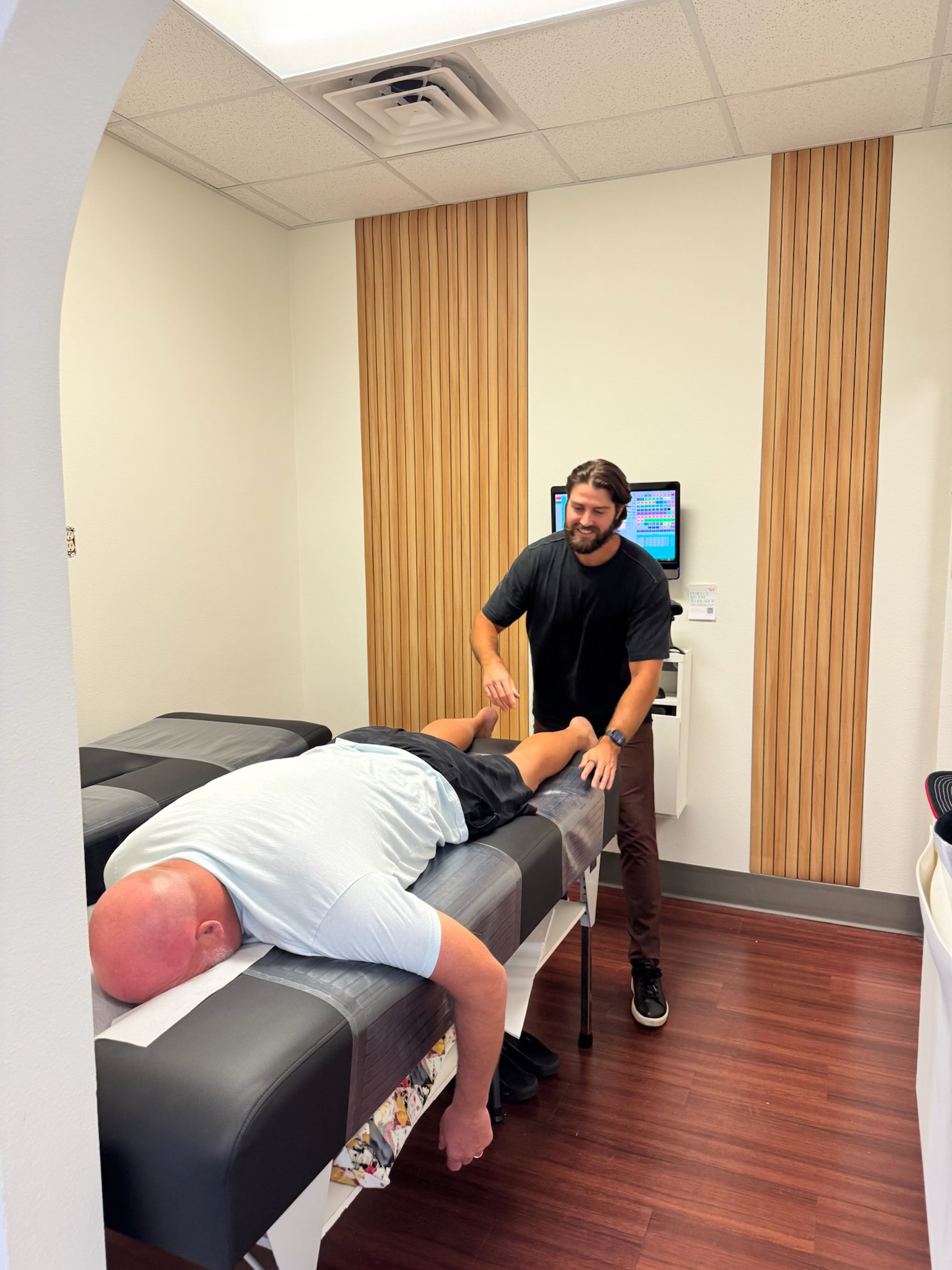
Precision adjustments, every visit.
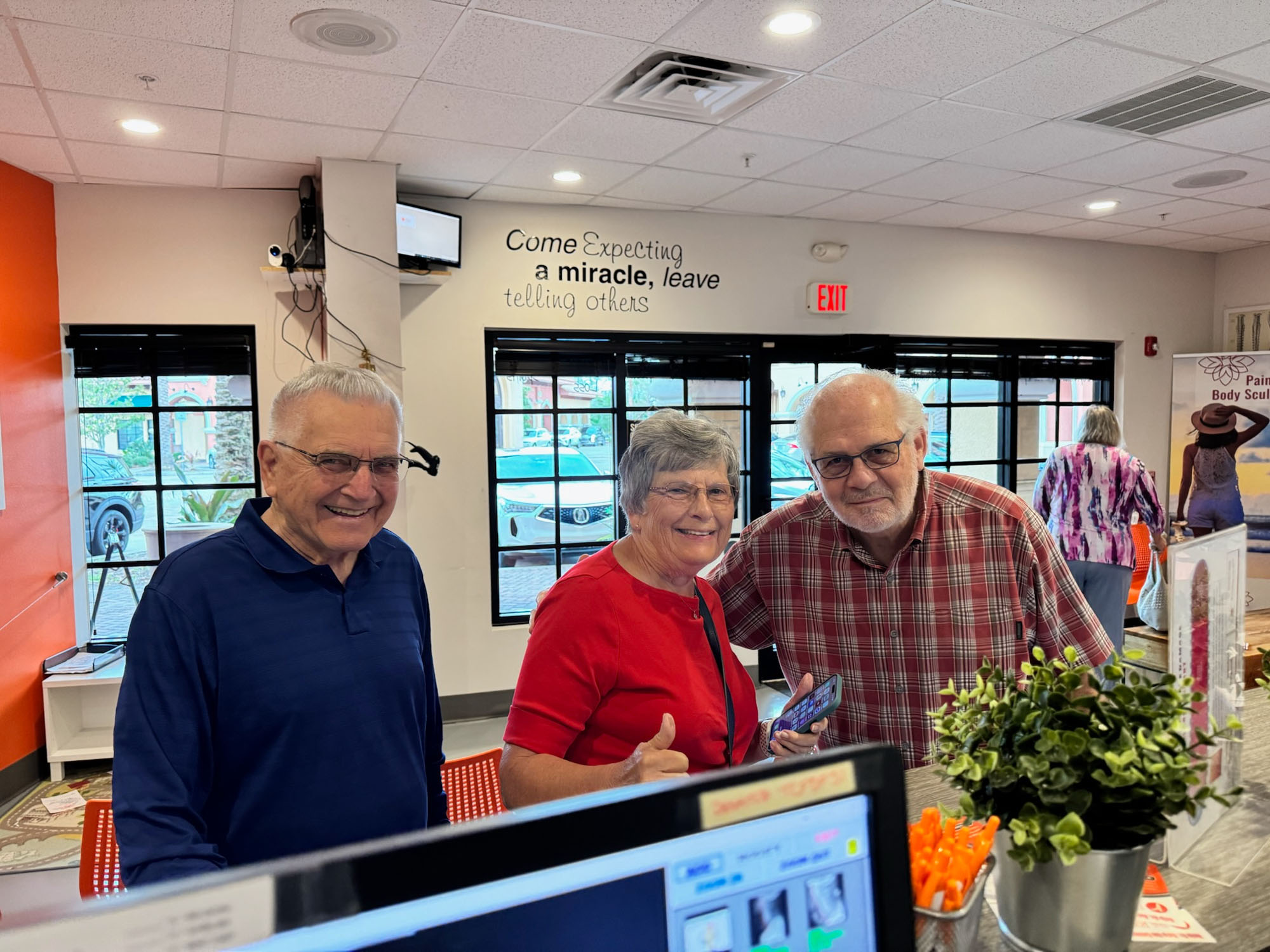
Seniors reclaiming mobility and confidence.
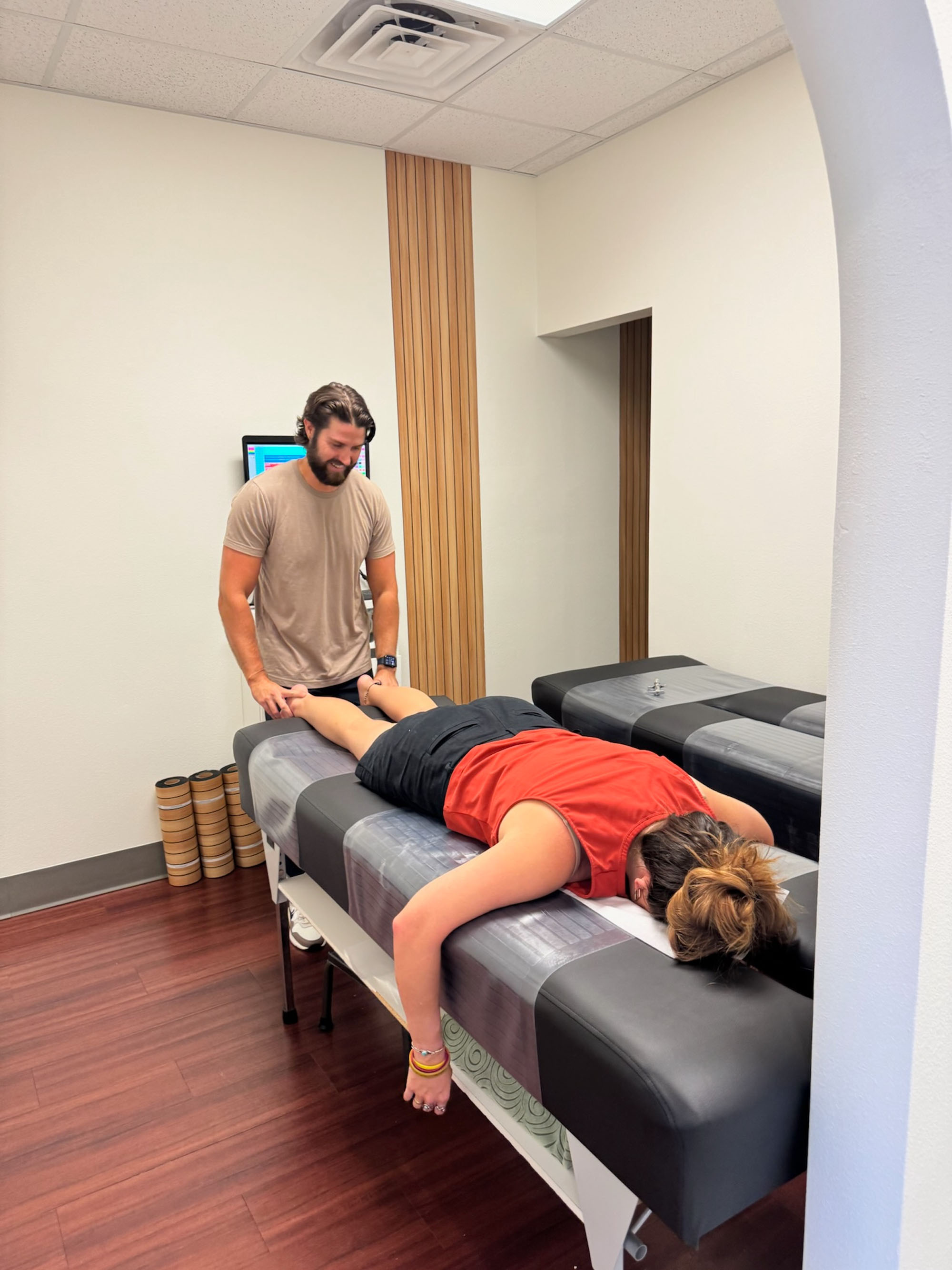
Precision over pressure.
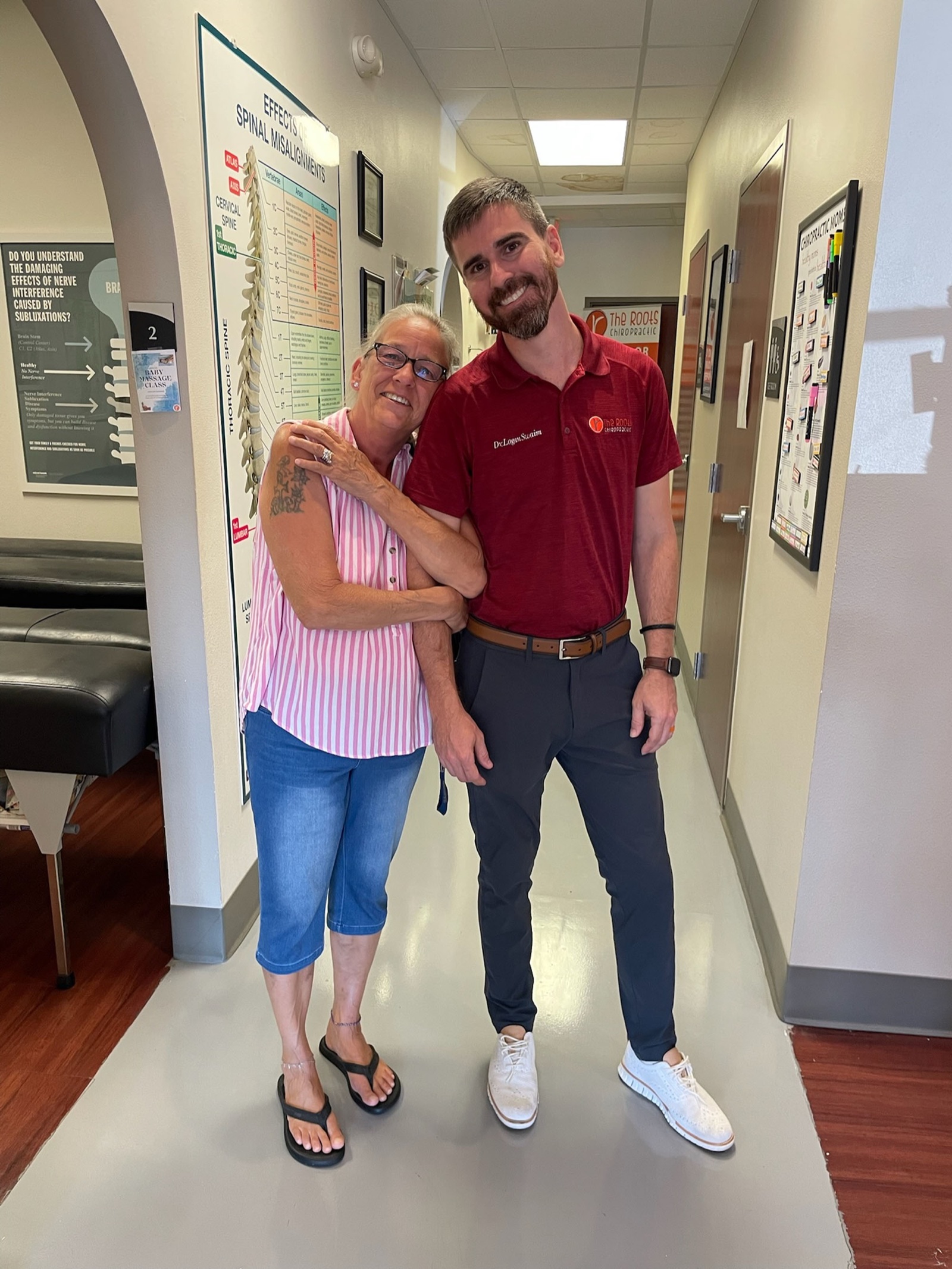
Every case starts with a conversation.
Keep Exploring
Meet the team
Treatments That Help
Therapies Used for Autonomic Neuropathy
Related Conditions
Other Forms of Neuropathy We Treat
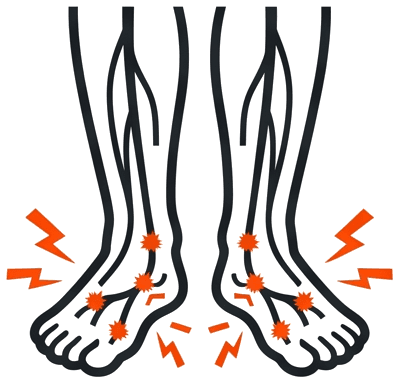
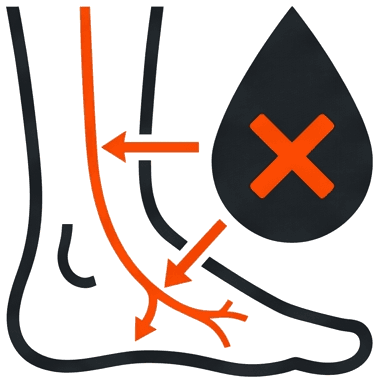
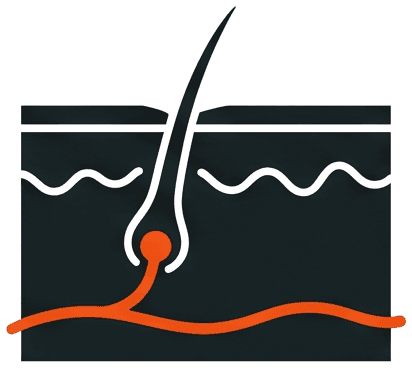
Read More
Articles About Autonomic Neuropathy
What Causes Neuropathy? The Main Culprits Explained
You've been told you have neuropathy. Now the real question: why? Understanding what caused your nerve symptoms is the first step toward figuring out what can actually help.
Read ArticleDoes Neuropathy Come and Go? What the Pattern Can Mean
Symptoms that flare and fade convince many people it's nothing. Here's why neuropathy fluctuates early on — and why the intermittent stage is the best time to act.
Read ArticleHow Is Neuropathy Diagnosed? The Tests, Explained
From sensory exams to nerve-conduction studies: the tests behind a neuropathy diagnosis, what each measures, and why 'normal' results don't always end the story.
Read ArticleCommon Questions
Frequently Asked Questions
From the clinic
Watch: how we think about autonomic neuropathy
Verified Google Reviews
What Neuropathy Patients Say
I’m enjoying my treatments at roots , I wish I would have found them sooner . They have helped me so much . I have neuropathy and before I started going I could barely walk and was in so much pain. Now after a little over 4 weeks my pain is barely there and walking is so much better! Also getting adjustments from Dr Logan and it’s improved how I feel physically, and has helped my sleep and more. There are so many different areas they can help you in , give them a call I highly recommend them.”
kimberly L.
Neuropathy TreatmentEveryone at Roots is super warm and inviting! There is a calming atmosphere and calming aroma the second you walk in. They are all about educating their patients! I have been going for about 3 months and I am feeling about 90% better! No more nerve pain as well as better sleep. Highly recommend!”
Sabrina T.
Neuropathy TreatmentNice to get to the root of my foot pain.”
Kelly W.
Neuropathy Treatment
Who You'll See
Care led by a doctor who wrote the book on neuropathy
Dr. Logan Swaim, MS, DC co-directs The Roots Health Centers in Lakewood Ranch and is the author of The Truth About Reversing Neuropathy Now. Every neuropathy case at the clinic starts with his team's full evaluation — circulation, sensory response, and balance — before any care is recommended.
Meet Dr. Swaim →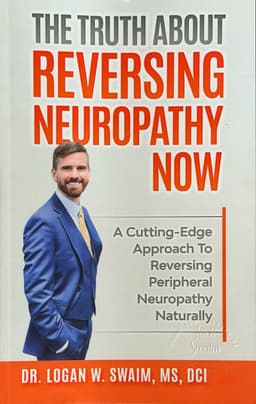
Written by Our Clinical Director
The Truth About Reversing Neuropathy Now
Dr. Logan Swaim, MS, DC wrote the book on what actually helps neuropathy — why nerves degenerate, what “you'll have to live with it” misses, and the drug-free approach we use at the clinic every day.
Read about the book →Drug-Free Care Options
How our program supports autonomic neuropathy
Neuropathy Evaluation & Testing
Objective testing that shows what's actually happening in your nerves — circulation, sensation, and balance.
Balance Testing & Training
In-clinic balance measurement and retraining — because falls, not foot pain, are neuropathy's biggest everyday risk.
The Roots Neuropathy Program
Our structured, drug-free program built around the four things struggling nerves need most.
Red Light Therapy for Neuropathy
Painless 15-minute light sessions that support circulation — a core piece of our nerve-care plans.
Chiropractic Care for Neuropathy
Gentle, instrument-assisted care that supports the nervous system behind your symptoms.
Shockwave Therapy
Focused acoustic-wave treatment used where indicated to support circulation and tissue healing — 8–15 minutes per session.

Nutritional Support
Practical guidance on the nutrients nerves depend on — and the deficiencies that quietly work against them.
Next Step
Hear Dr. Logan explain your condition — before you commit to anything.
Our free neuropathy seminars cover the science behind nerve damage, what a comprehensive assessment looks like, and which patients are candidates for our program. No sales pitch. No obligation.
Visit The Roots Neuropathy
One clinic. One focused neuropathy program.


Dr. Logan Swaim, Dr. Laura Swaim & Dr. Grayson Fox
Meet the full teamThe Roots Neuropathy
a program of The Roots Health Centers
8209 Natures Way, Unit 115
Lakewood Ranch, FL 34202
(941) 877-1507- Mon
- 9–1 · 2–6:30
- Tue
- 11–2 · 3–6:30
- Wed
- 9–2
- Thu
- 9–1 · 2–6:30
- Fri
- 9–2
- Sat–Sun
- Closed
Ready to understand
what's driving your neuropathy?
Schedule a comprehensive evaluation with Dr. Logan Swaim, MS, DC and get a clear picture of what's actually happening — and what can be done about it.
*Includes consultation, 16-point sensory exam, circulation assessment & balance testing