

Neuropathy Treatments
Nutritional Support for Nerve Health
Nerves are metabolically hungry tissue — they need specific nutrients to produce energy, maintain their insulation, and repair themselves. Nutritional support at The Roots means practical, personalized guidance on exactly that: what your nerves may be missing, what to eat, what to consider supplementing, and what to stop — built from your evaluation, not a generic handout.
Ask about your situation
Three quick questions — our team responds within one business day.
- 4.8 from 655+ Google reviews
- Caring for the Suncoast since 2016
- Led by the author of a book on reversing neuropathy
- Drug-free & surgery-free program
Why nutrition has a seat at the neuropathy table
Several of the most common neuropathy drivers run straight through nutrition. B-vitamin deficiencies — especially B12 and thiamine (B1) — directly impair nerve function and repair. Alcohol depletes those same vitamins while adding its own toxicity. Blood-sugar swings, the engine of diabetic neuropathy, are profoundly shaped by diet. And nutrients like magnesium and alpha-lipoic acid participate in the energy production and antioxidant defense nerves rely on.
That's why nutritional guidance is a standard component of our care plans rather than an upsell at the end. Working on circulation and stimulation while a correctable deficiency keeps undermining the nerves is fighting with one hand tied.
Honesty first, as always: nutrition supports nerve health — it is not a cure, and megadosing is not a strategy. In fact, some vitamins harm nerves in excess (vitamin B6 is the famous example: too much can itself cause neuropathy). Getting this right means specific, measured guidance, not more bottles.
What nutritional support looks like at The Roots
It starts, like everything here, with your evaluation and history — including what you eat, what you take now, and lab work you bring or your physician orders. From there the guidance is concrete:
- The specific nutrients your case points to — commonly B-complex vitamins, magnesium, and alpha-lipoic acid — and sensible amounts
- Food-first strategies: what to actually eat to support nerve and blood-vessel health day to day
- What to STOP: excesses, redundant supplements, and habits that quietly work against your nerves
- Blood-sugar-friendly eating patterns for diabetic and prediabetic neuropathy
- Coordination with your physician — especially for lab work, prescriptions, and anything touching medical management
Recommendations are practical and specific — and you can source anything we suggest wherever you like. The goal is a shorter, smarter list, not a longer one.
The deficiencies we see most
A few patterns come up again and again in neuropathy patients: B12 deficiency (more common over 50, with certain acid-reducing or blood-sugar medications, and in plant-based diets), thiamine depletion (classically alcohol-related), vitamin D insufficiency, and magnesium intake that falls short of what nerve and muscle tissue prefer. Each is identifiable, and each is addressable — which is exactly the kind of problem you want to find during an evaluation.
If you want the deeper background before your visit, our guide to vitamins for neuropathy walks through the evidence nutrient by nutrient.

Medically reviewed by
Founder & Clinical Director of The Roots Neuropathy and author of The Truth About Reversing Neuropathy Now. He leads every neuropathy evaluation and care plan at our Lakewood Ranch clinic.
Common Questions
Frequently asked questions
More ways we can help
Neuropathy Evaluation & Testing
Objective testing that shows what's actually happening in your nerves — circulation, sensation, and balance.

Balance Testing & Training
In-clinic balance measurement and retraining — because falls, not foot pain, are neuropathy's biggest everyday risk.

The Roots Neuropathy Program
Our structured, drug-free program built around the four things struggling nerves need most.
Red Light Therapy for Neuropathy
Painless 15-minute light sessions that support circulation — a core piece of our nerve-care plans.

Chiropractic Care for Neuropathy
Gentle, instrument-assisted care that supports the nervous system behind your symptoms.

Shockwave Therapy
Focused acoustic-wave treatment used where indicated to support circulation and tissue healing — 8–15 minutes per session.
Conditions this supports

Symptoms it can help with

Verified Google Reviews
What Neuropathy Patients Say
I’m enjoying my treatments at roots , I wish I would have found them sooner . They have helped me so much . I have neuropathy and before I started going I could barely walk and was in so much pain. Now after a little over 4 weeks my pain is barely there and walking is so much better! Also getting adjustments from Dr Logan and it’s improved how I feel physically, and has helped my sleep and more. There are so many different areas they can help you in , give them a call I highly recommend them.”
kimberly L.
Neuropathy TreatmentEveryone at Roots is super warm and inviting! There is a calming atmosphere and calming aroma the second you walk in. They are all about educating their patients! I have been going for about 3 months and I am feeling about 90% better! No more nerve pain as well as better sleep. Highly recommend!”
Sabrina T.
Neuropathy TreatmentNice to get to the root of my foot pain.”
Kelly W.
Neuropathy Treatment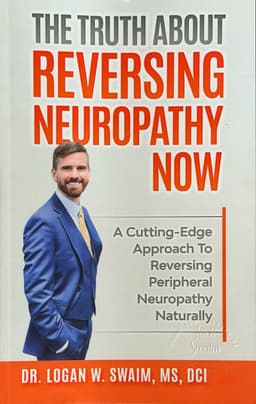
Written by Our Clinical Director
The Truth About Reversing Neuropathy Now
Dr. Logan Swaim, MS, DC wrote the book on what actually helps neuropathy — why nerves degenerate, what “you'll have to live with it” misses, and the drug-free approach we use at the clinic every day.
Read about the book →Visit The Roots Neuropathy
One clinic. One focused neuropathy program.


Dr. Logan Swaim, Dr. Laura Swaim & Dr. Grayson Fox
Meet the full teamThe Roots Neuropathy
a program of The Roots Health Centers
8209 Natures Way, Unit 115
Lakewood Ranch, FL 34202
(941) 877-1507- Mon
- 9–1 · 2–6:30
- Tue
- 11–2 · 3–6:30
- Wed
- 9–2
- Thu
- 9–1 · 2–6:30
- Fri
- 9–2
- Sat–Sun
- Closed
You deserve another conversation.
If you've been told to just live with neuropathy, learn what's actually possible — at a free seminar or a $49 new-patient evaluation.