
Symptom
Brain Fog
Cloudy thinking, slow recall, that 'underwater' feeling
Cloudy thinking, difficulty concentrating, and forgetfulness that may indicate nervous system overload, fibromyalgia, or chronic inflammation.
By Dr. Logan Swaim · Last updated August 12, 2026
See if we can help.
Three quick questions — we'll call you within 24 business hours.
About Brain Fog
Brain fog isn't a diagnosis — it's a symptom. And it's a symptom that's almost always pointing at something systemic: your brain isn't getting what it needs to run cleanly. The most common drivers we see are nervous-system dysregulation, chronic inflammation, blood-sugar swings, sleep deprivation, and gut-brain axis disruption.
From a nervous-system perspective, brain fog often comes with chronic sympathetic overdrive. When your stress response is constantly switched on, blood flow gets routed to muscles instead of the prefrontal cortex, and cognition takes the hit. That pattern shows up in long-COVID recovery, post-concussion, autoimmune flares, and chronic stress.
Our team treats brain fog as a signal to investigate nervous-system regulation, gut function, and metabolic factors together. Chiropractic care supports vagal tone (the rest-and-digest pathway). Red light therapy supports cellular energy. Lifestyle and nutrition coaching addresses the inputs your brain needs to function.
Where We See This
Common contexts in our office
- Common after long-COVID or post-viral states
- Often paired with chronic stress, anxiety, or sleep disruption
- Frequently shows up with autoimmune conditions or chronic inflammation
- Can be tied to blood-sugar dysregulation or gut dysbiosis
The Nervous System Map
What this can be connected to
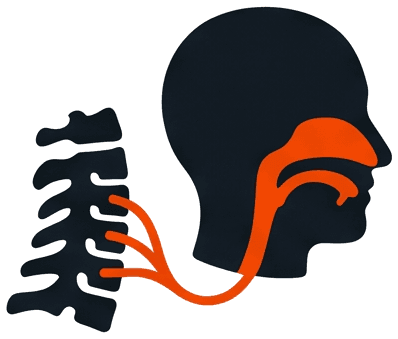
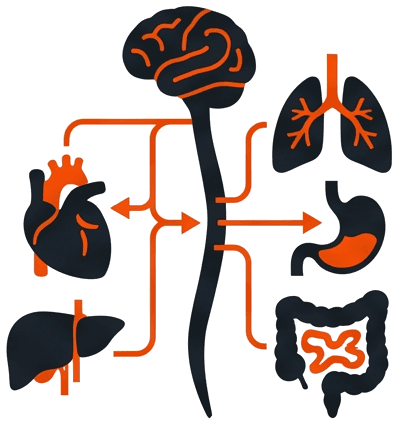
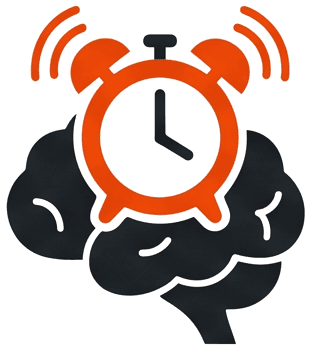
Per the science of the nervous system plus the patterns we see clinically, brain fog is often associated with these regions or systems. Click any to read more.
Spinal regions
When To Seek Medical Care
Talk to your doctor first if…
Sudden cognitive change, especially with weakness, slurred speech, or vision change — go to the ER. Persistent or worsening cognitive issues deserve a workup with your primary care doctor.
Verified Google Reviews
What Neuropathy Patients Say
I’m enjoying my treatments at roots , I wish I would have found them sooner . They have helped me so much . I have neuropathy and before I started going I could barely walk and was in so much pain. Now after a little over 4 weeks my pain is barely there and walking is so much better! Also getting adjustments from Dr Logan and it’s improved how I feel physically, and has helped my sleep and more. There are so many different areas they can help you in , give them a call I highly recommend them.”
kimberly L.
Neuropathy TreatmentEveryone at Roots is super warm and inviting! There is a calming atmosphere and calming aroma the second you walk in. They are all about educating their patients! I have been going for about 3 months and I am feeling about 90% better! No more nerve pain as well as better sleep. Highly recommend!”
Sabrina T.
Neuropathy TreatmentNice to get to the root of my foot pain.”
Kelly W.
Neuropathy Treatment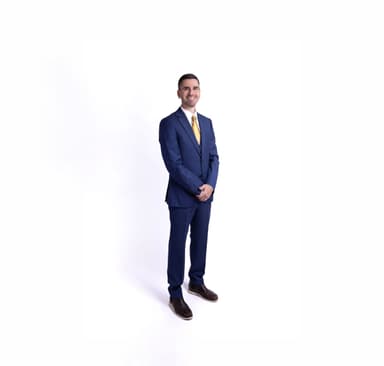
Who You'll See
Care led by a doctor who wrote the book on neuropathy
Dr. Logan Swaim, MS, DC co-directs The Roots Health Centers in Lakewood Ranch and is the author of The Truth About Reversing Neuropathy Now. Every neuropathy case at the clinic starts with his team's full evaluation — circulation, sensory response, and balance — before any care is recommended.
Meet Dr. Swaim →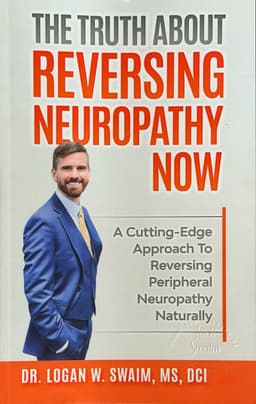
Written by Our Clinical Director
The Truth About Reversing Neuropathy Now
Dr. Logan Swaim, MS, DC wrote the book on what actually helps neuropathy — why nerves degenerate, what “you'll have to live with it” misses, and the drug-free approach we use at the clinic every day.
Read about the book →Drug-Free Care Options
How our program can help
Neuropathy Evaluation & Testing
Objective testing that shows what's actually happening in your nerves — circulation, sensation, and balance.
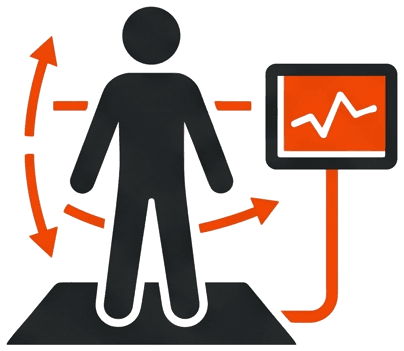
Balance Testing & Training
In-clinic balance measurement and retraining — because falls, not foot pain, are neuropathy's biggest everyday risk.

The Roots Neuropathy Program
Our structured, drug-free program built around the four things struggling nerves need most.
Red Light Therapy for Neuropathy
Painless 15-minute light sessions that support circulation — a core piece of our nerve-care plans.
Chiropractic Care for Neuropathy
Gentle, instrument-assisted care that supports the nervous system behind your symptoms.
Shockwave Therapy
Focused acoustic-wave treatment used where indicated to support circulation and tissue healing — 8–15 minutes per session.

Nutritional Support
Practical guidance on the nutrients nerves depend on — and the deficiencies that quietly work against them.
This page is educational, not medical advice. Always consult your medical doctor for serious health concerns; our care complements but doesn't replace primary medical care.
Visit The Roots Neuropathy
One clinic. One focused neuropathy program.


Dr. Logan Swaim, Dr. Laura Swaim & Dr. Grayson Fox
Meet the full teamThe Roots Neuropathy
a program of The Roots Health Centers
8209 Natures Way, Unit 115
Lakewood Ranch, FL 34202
(941) 877-1507- Mon
- 9–1 · 2–6:30
- Tue
- 11–2 · 3–6:30
- Wed
- 9–2
- Thu
- 9–1 · 2–6:30
- Fri
- 9–2
- Sat–Sun
- Closed
Want a personalized look at your nervous system?
Start with a complimentary consultation. We use a neurological evaluation to map what's going on — no commitment, no cost.