

Understanding Neuropathy
What Is Neuropathy?
Neuropathy is damage or dysfunction of one or more nerves, resulting in numbness, tingling, muscle weakness, and pain — typically in the hands and feet. Understanding your condition is the first step toward taking control of it.
Why it matters
Understanding it is the first step.
Supporting it is the next.
The Basics
What Happens When Nerves Are Damaged
Your peripheral nerves are the communication highways between your brain and every part of your body. They carry signals that control sensation, movement, and organ function. When these nerves are damaged, the signals become distorted or stop entirely.
This is why neuropathy doesn't just cause pain — it causes numbness, tingling, burning sensations, balance problems, muscle weakness, and in advanced cases, loss of coordination and mobility. The symptoms are your body's way of telling you that the communication system is breaking down.
The critical point most patients aren't told: nerve damage is often progressive. Without intervention targeting the underlying cause, neuropathy tends to worsen over time. But progression is not inevitable — especially when the right protocol is applied early enough. Learn to recognize the warning signs of neuropathy and explore the types of neuropathy we help at our clinic.
Types of Neuropathy
Not All Neuropathy Is the Same
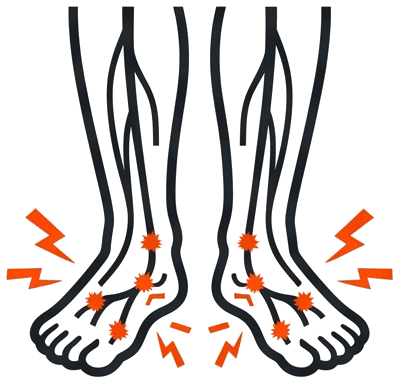
Peripheral Neuropathy
The most common form, affecting the nerves outside of the brain and spinal cord. Peripheral neuropathy typically begins in the longest nerves — which is why symptoms often start in the feet and hands. It can affect sensory nerves (feeling), motor nerves (movement), and autonomic nerves (organ function).
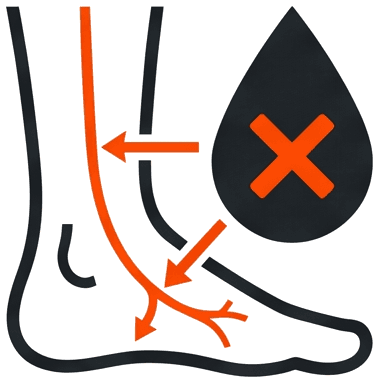
Diabetic Neuropathy
A type of nerve damage that can occur in people with diabetes. Chronically elevated blood sugar levels can injure nerve fibers throughout the body, but diabetic neuropathy most commonly damages nerves in the legs and feet. It is one of the most prevalent complications of diabetes.

Idiopathic Neuropathy
When no identifiable cause can be found, the condition is classified as idiopathic. This accounts for a significant percentage of neuropathy cases. Just because a cause hasn't been identified doesn't mean effective care isn't possible — it means a deeper investigation is needed.
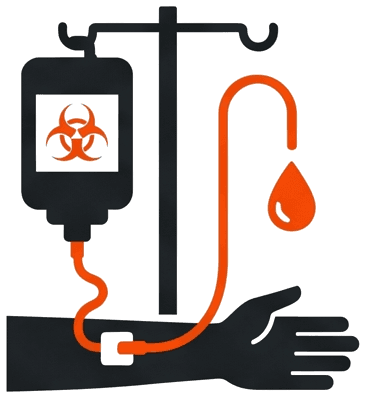
Chemotherapy-Induced Neuropathy
Certain chemotherapy agents can damage peripheral nerves as a side effect of cancer treatment. Symptoms may begin during treatment or appear months afterward. This form of neuropathy can be particularly frustrating for cancer survivors already dealing with recovery.
Common Causes
What Leads to Nerve Damage
Neuropathy can result from a wide range of conditions and factors. Identifying the cause is essential to building an effective personalized care plan.
- Diabetes and metabolic syndrome
- Autoimmune conditions
- Infections and viral conditions
- Vitamin deficiencies (B12, B6, folate)
- Exposure to toxins or certain medications
- Physical trauma or repetitive stress injuries
- Chemotherapy treatment
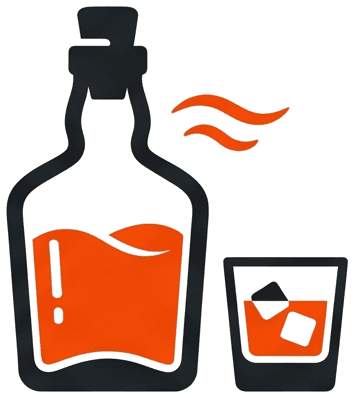
- Chronic alcohol use
- Hereditary conditions
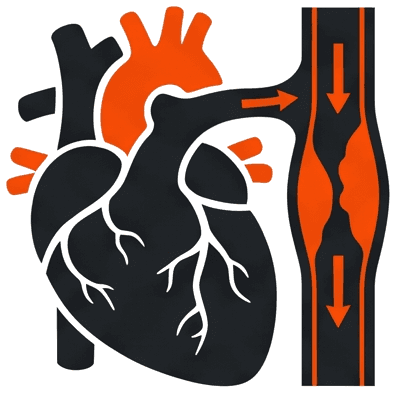
- Vascular and blood supply issues



The Truth
Why You Were Told Nothing Can Be Done
Most physicians are not trained in advanced neuropathy care protocols. The standard of care in many practices is limited to medication management — drugs like gabapentin or pregabalin that can dull the symptoms but do nothing to address the underlying nerve damage.
When medication stops working (and it often does as the condition progresses), patients are told to accept their condition. But acceptance isn't the only option.
Emerging research and clinical experience show that nerves retain the capacity to heal when given the right environment: increased blood flow, reduced inflammation, and targeted nerve stimulation. That's the foundation of our approach at The Roots Health Centers, led by Dr. Logan Swaim, neuropathy specialist. Have more questions? Read our frequently asked questions about neuropathy or schedule a neuropathy evaluation in Lakewood Ranch.
Written by Our Clinical Director
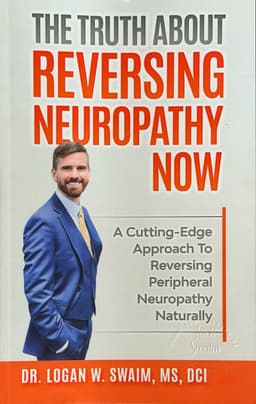
The Truth About Reversing Neuropathy Now
Dr. Logan Swaim, MS, DC wrote the book on what actually helps neuropathy — why nerves degenerate, what “you'll have to live with it” misses, and the drug-free approach we use at the clinic every day.
Read about the book →Inside the program
The nervous system, looked at honestly.
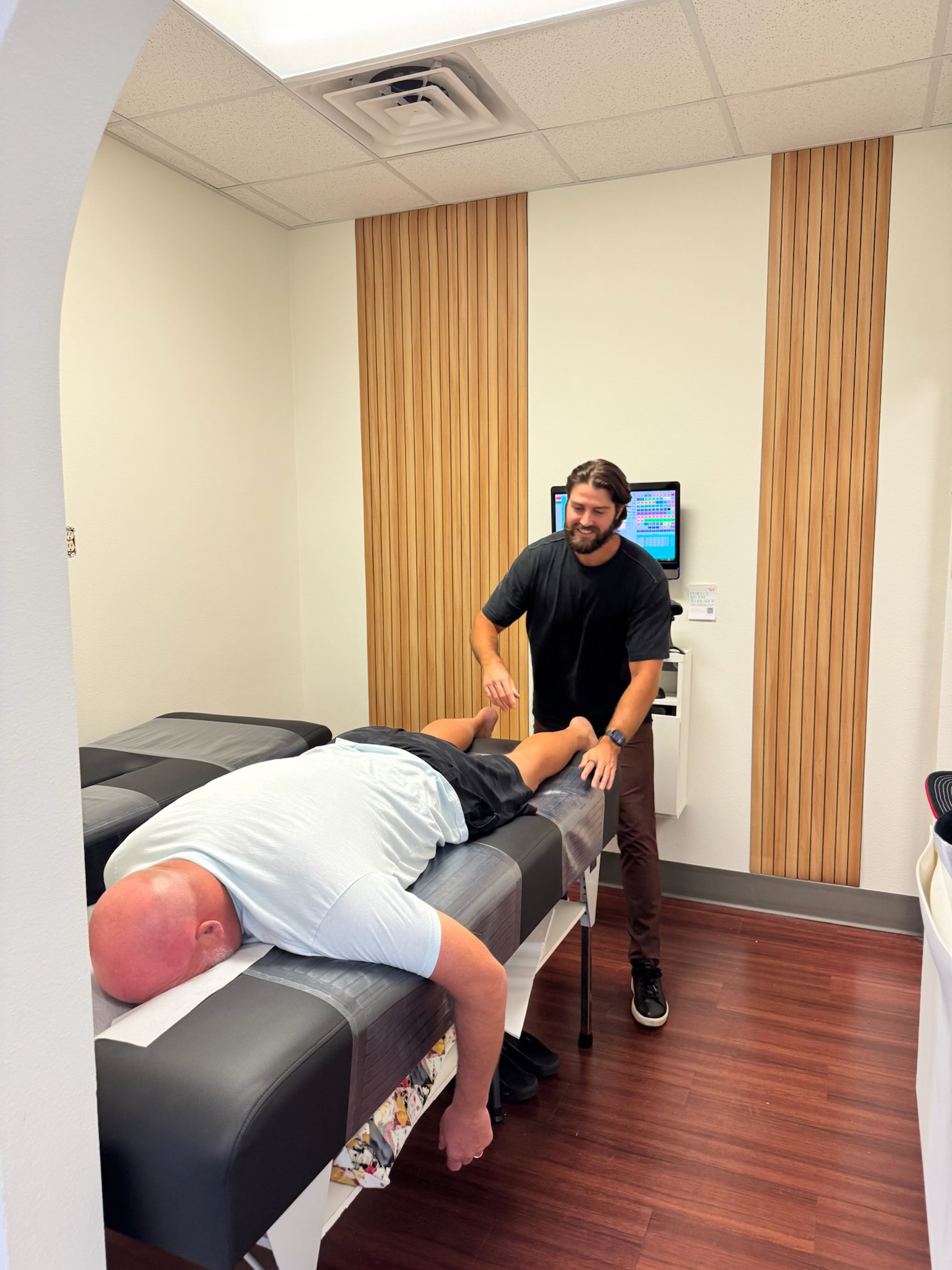
Precision adjustments, every visit.
Seniors reclaiming mobility and confidence.
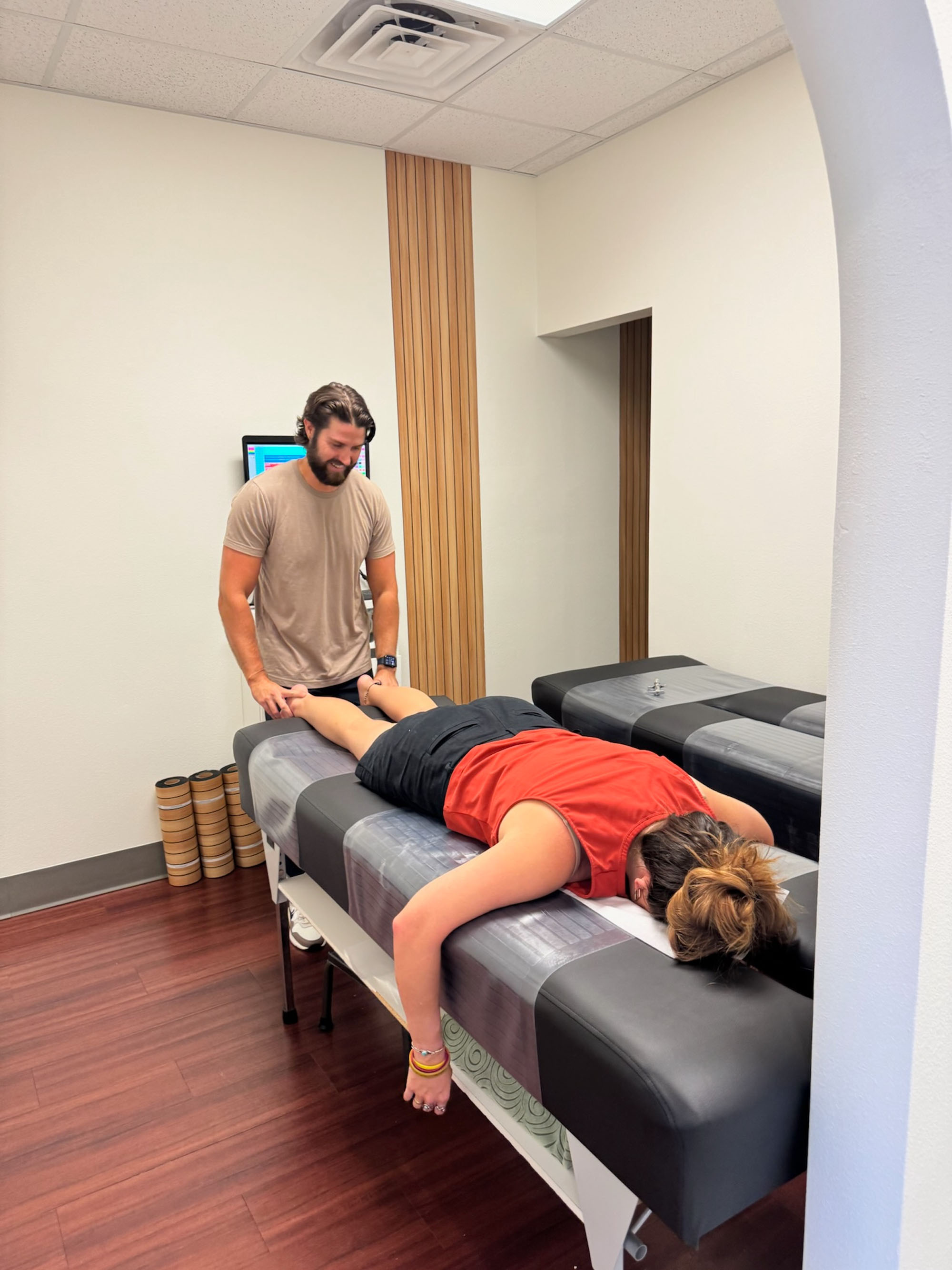
Precision over pressure.
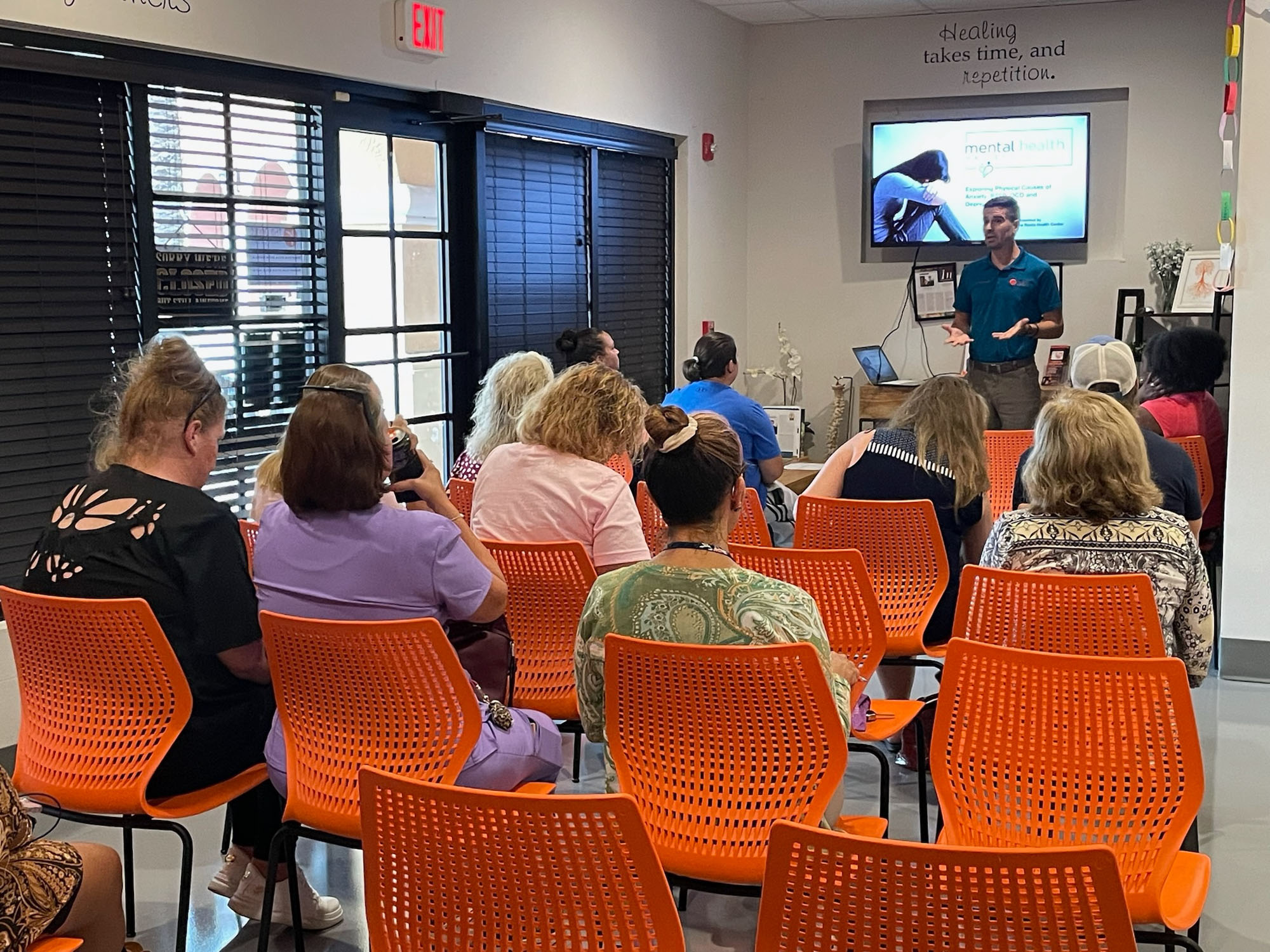
Monthly nervous-system seminars — teach first, adjust second.

The hallway that's greeted 2,800+ patients.
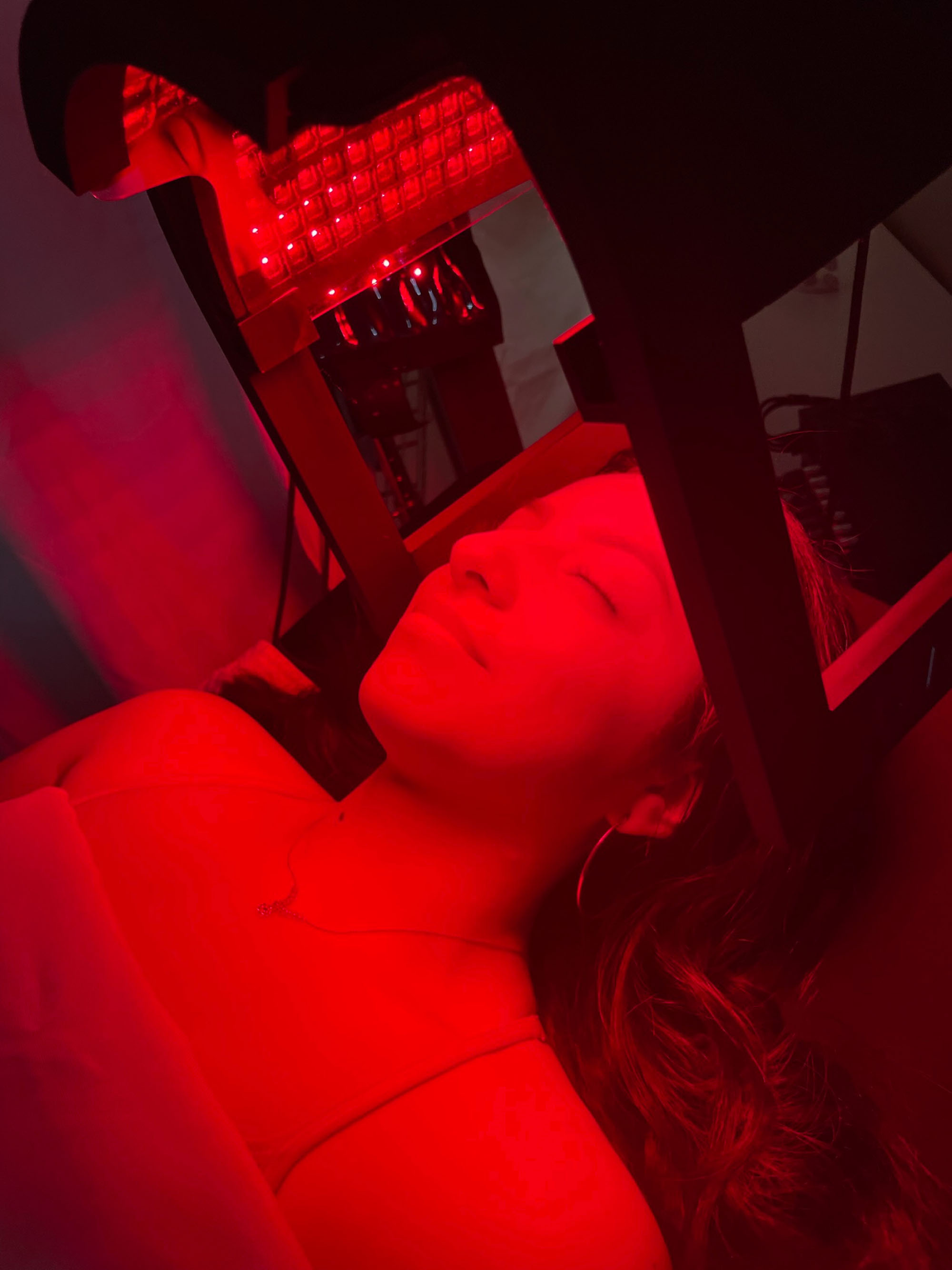
Medical-grade red light — paired with neuropathy care.
Dr. Logan wrote the book on reversing neuropathy.
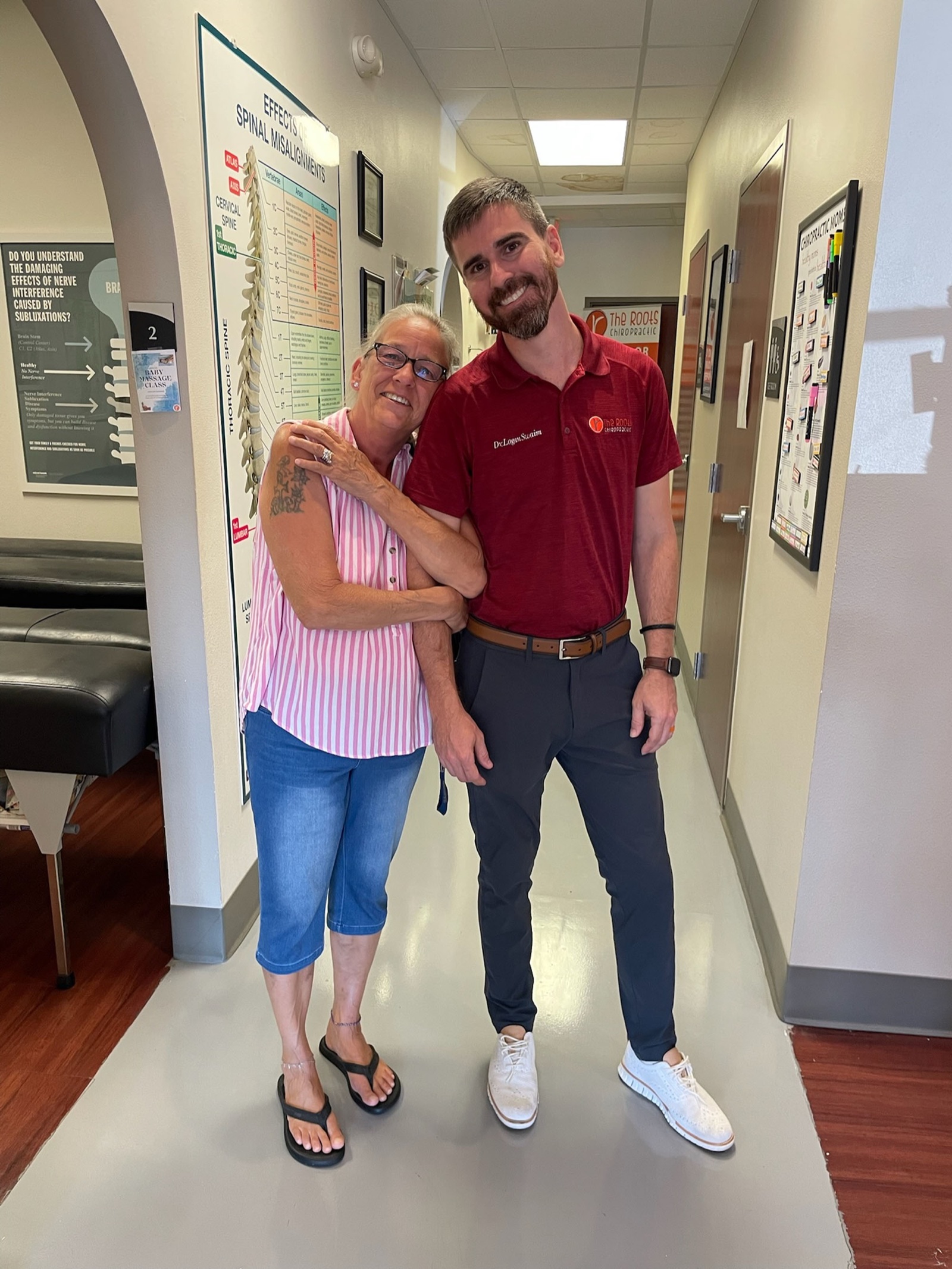
Every case starts with a conversation.
Keep Exploring
See patient outcomes
Verified Google Reviews
From Patients Who Wanted Answers Too
I’m enjoying my treatments at roots , I wish I would have found them sooner . They have helped me so much . I have neuropathy and before I started going I could barely walk and was in so much pain. Now after a little over 4 weeks my pain is barely there and walking is so much better! Also getting adjustments from Dr Logan and it’s improved how I feel physically, and has helped my sleep and more. There are so many different areas they can help you in , give them a call I highly recommend them.”
kimberly L.
Neuropathy TreatmentEveryone at Roots is super warm and inviting! There is a calming atmosphere and calming aroma the second you walk in. They are all about educating their patients! I have been going for about 3 months and I am feeling about 90% better! No more nerve pain as well as better sleep. Highly recommend!”
Sabrina T.
Neuropathy TreatmentNice to get to the root of my foot pain.”
Kelly W.
Neuropathy TreatmentReady to Get Real Answers?
Attend a free neuropathy seminar or schedule a consultation to learn what's possible.