

Can Acupuncture Help Neuropathy? What the Research Actually Shows
Dr. Logan Swaim, MS, DC
Curious if acupuncture can ease neuropathy symptoms? Here's what the research actually supports, what it can't do, and where it fits into a bigger picture.
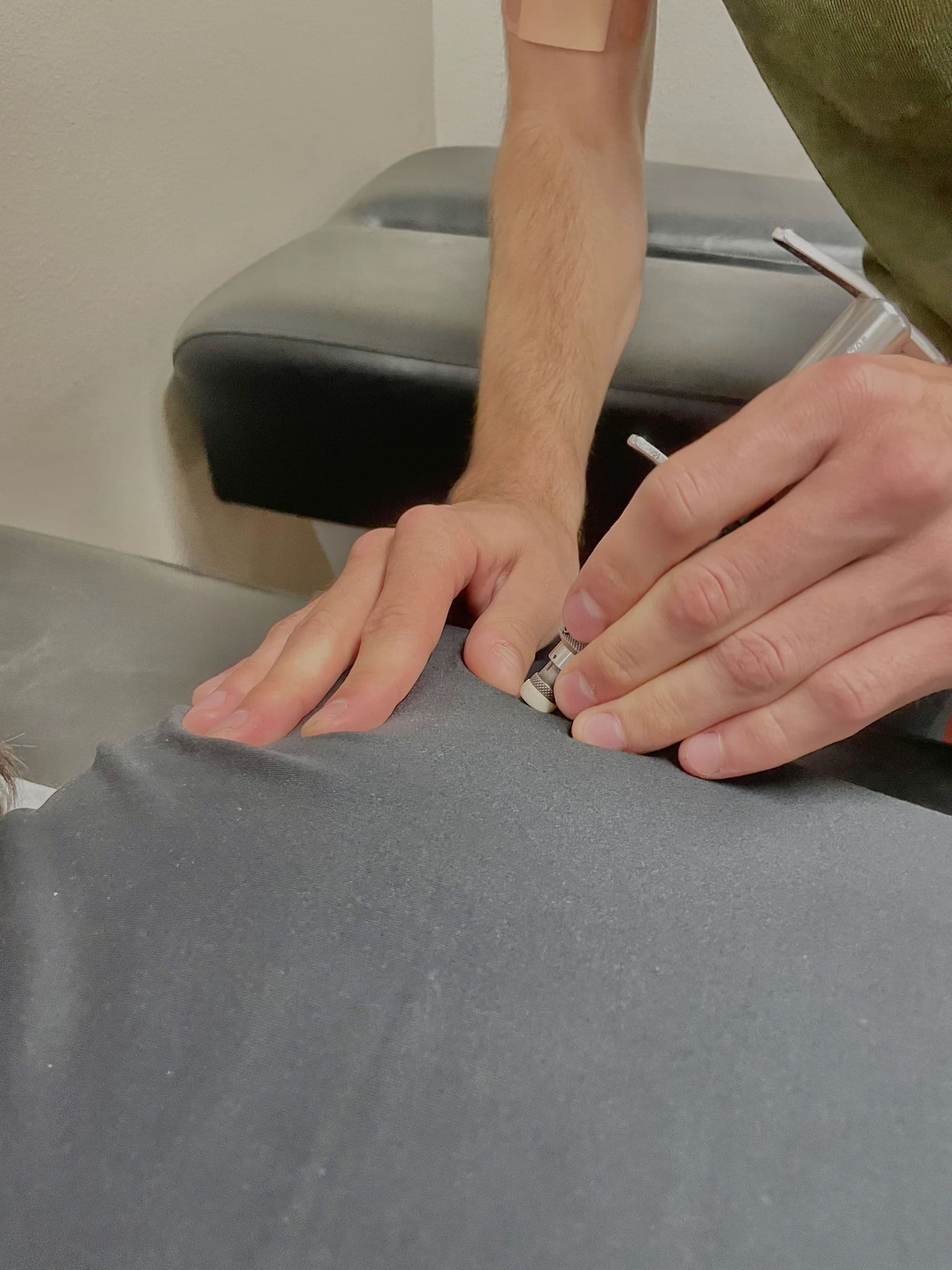
If you've been living with neuropathy for a while, there's a good chance you've already researched more than a few alternative options — including acupuncture. It's a fair question to ask, especially after being told there's not much more conventional care can do. The honest answer: there's real research behind acupuncture for nerve-related pain, and some people find meaningful symptom relief from it — but it's worth understanding what the research actually shows, and where its limits are, before deciding if it's worth adding to your care plan.
What Does the Research Say About Acupuncture and Neuropathy?
A number of clinical studies — including randomized trials — have looked at acupuncture's effect on peripheral neuropathy symptoms, most commonly diabetic peripheral neuropathy and chemotherapy-induced peripheral neuropathy. Several of these studies report meaningful improvements in pain scores, numbness, and quality-of-life measures for a portion of participants. That said, study quality varies significantly — sample sizes are often small, and it can be hard to fully separate acupuncture's specific effect from a placebo response, which tends to be notably strong for pain-related conditions in general. The fair summary: acupuncture has real research support as a symptom-focused option for some people, without being a guaranteed or universal fix.
How Acupuncture Is Thought to Work for Nerve Pain
Acupuncture involves inserting very fine needles at specific points on the body, and researchers have proposed a few mechanisms for how it may affect nerve-related pain:
- Gate control theory. Stimulating certain nerve fibers may interfere with how pain signals are transmitted and interpreted by the central nervous system — essentially competing for the same "channel" pain signals use.
- Local circulation. Needling can trigger a local increase in blood flow, which may support the tissue environment around affected nerves.
- Endorphin release. Acupuncture has been shown to trigger release of the body's own natural pain-modulating chemicals in some studies.
None of these mechanisms repair damaged nerve tissue directly — they relate to how pain is processed and experienced, which is an important distinction for setting realistic expectations.
What Types of Neuropathy Has Acupuncture Been Studied For?
Most of the available research focuses on:
- Diabetic peripheral neuropathy — the most commonly studied population, given how prevalent this form of neuropathy is
- Chemotherapy-induced peripheral neuropathy — a growing area of research, since conventional options for symptom relief are limited
- Idiopathic peripheral neuropathy — less-studied specifically, but often included in broader peripheral neuropathy trials
If you're not sure which category your neuropathy falls into, understanding what's actually causing your nerve symptoms is a useful place to start, since the underlying cause affects what approaches make the most sense for you.
What Acupuncture Can't Do
It's worth being direct about acupuncture's limits. It doesn't address underlying causes like blood sugar dysregulation, circulation problems, or nutritional deficiencies — the things often driving ongoing nerve symptoms. It's also not a substitute for a full clinical evaluation, since symptom relief without addressing the underlying picture tends to be temporary. Most people who find it helpful are using it as one piece of a broader plan — alongside circulation and nutritional support and nervous-system-focused care — rather than as a standalone solution.
Is Acupuncture Covered by Insurance or Medicare?
Coverage varies significantly by plan and diagnosis. Medicare has covered acupuncture specifically for chronic low back pain since 2020, but coverage for peripheral neuropathy specifically is inconsistent and plan-dependent. A complimentary benefits check at your first visit with any provider is the most reliable way to know what's actually covered for your specific situation.
Is Acupuncture Safe? What to Ask Before Trying It
Acupuncture is generally considered low-risk when performed by a licensed, appropriately trained practitioner using sterile, single-use needles. Still, a few things are worth asking about before your first session:
- Are your needles sterile, single-use, and disposed of properly? This should be a given with any licensed practitioner.
- Do you have experience specifically with peripheral neuropathy? General acupuncture training doesn't always include neuropathy-specific protocols.
- How will we know if it's helping? A good practitioner should give you a straightforward way to track whether your specific symptoms are responding, rather than a vague promise that it will work.
- Are there any conditions that make acupuncture inadvisable for me? Bleeding disorders, blood-thinning medication, and certain skin conditions are relevant history to share upfront.
Being an informed patient applies just as much to complementary approaches as it does to any other part of your care plan.
Acupuncture Alongside a Broader Neuropathy Care Plan
Most people don't have to choose between acupuncture and other approaches. Patients who find it helpful typically use it as a complement rather than a replacement for care focused on the underlying contributors to their neuropathy. If you're already working with a provider on your circulation, nutrition, or nervous-system function, mentioning that you're considering acupuncture — or already using it — helps your full care team understand the complete picture of what you're trying and what seems to help.
A Broader Approach at The Roots Neuropathy
Your body's ability to support nerve health is greater than most people are told — and there's more that can be done than any single approach in isolation. At The Roots Neuropathy, care begins with a full picture: a circulation assessment, a 16-point sensory exam, balance testing, and any necessary X-rays, so recommendations reflect your specific presentation rather than a generic protocol. You deserve another conversation about what's actually possible for your situation — not just one more thing to try on your own.
Frequently Asked Questions
Can acupuncture help neuropathy?
Some research supports acupuncture for reducing pain and numbness associated with peripheral neuropathy, particularly diabetic and chemotherapy-induced neuropathy. Results vary by individual, and it works best as part of a broader plan rather than a standalone approach.
Does acupuncture help neuropathy in the feet specifically?
Peripheral neuropathy in the feet has been a focus of several acupuncture studies, since the feet are commonly affected first. Some people report meaningful symptom relief, though response varies significantly from person to person.
Is acupuncture covered by Medicare for neuropathy?
Medicare covers acupuncture specifically for chronic low back pain, but coverage for peripheral neuropathy varies by plan. A benefits check with your specific plan is the most reliable way to confirm coverage.
Does acupuncture address the underlying cause of neuropathy?
Not directly. Acupuncture is generally understood to affect how pain is processed rather than repair nerve tissue or resolve underlying causes like circulation or blood sugar issues, which is why it's typically most helpful alongside a broader care plan.
Is acupuncture safe for people with diabetes-related neuropathy?
Generally yes, when performed by a licensed practitioner aware of your history. Reduced foot sensation from neuropathy means a minor injury can go unnoticed, so sharing your full diabetes and neuropathy history before starting matters.
How is acupuncture different from the care offered at The Roots Neuropathy?
Acupuncture is one symptom-focused option some patients explore. Our neuropathy program takes a broader approach — assessing circulation, sensory function, and balance, then building a plan around what's actually contributing to your specific presentation.
If you've been searching for options and want a clearer picture of what's actually driving your neuropathy symptoms — and what may realistically help — schedule your consultation today at The Roots Neuropathy. We'll walk you through your circulation, sensory function, and a personalized path forward.
The Roots Neuropathy, 8209 Natures Way, Unit 115, Lakewood Ranch, FL 34202. (941) 877-1507.

Medically reviewed by
Founder & Clinical Director of The Roots Neuropathy and author of The Truth About Reversing Neuropathy Now. He leads every neuropathy evaluation and care plan at our Lakewood Ranch clinic.
Learn More
Conditions we help with
Peripheral Neuropathy
Peripheral neuropathy is nerve damage to the peripheral nervous system — the vast network connecting your brain and spinal cord to the rest of your body. Numbness, tingling, burning pain, and weakness in the extremities are its hallmarks. It is treatable.
Learn moreDiabetic Neuropathy
Diabetic neuropathy is nerve damage driven by chronically elevated blood sugar. It is the most common form of neuropathy in the United States, affecting roughly half of all people with type 2 diabetes. Numbness, burning, and tingling in the feet are the classic early signs.
Learn moreKeep Reading
More on neuropathy
Heel Numbness: When It's Nerve-Related and What to Look For
A numb heel can come from a squeezed nerve, the low back, or a broader nerve pattern. Here's how to tell the clues apart and when to get it checked.
Ankle Numbness and Tingling: Causes Worth Knowing
Numb or tingling around the ankle can come from the foot, the low back, or a body-wide nerve problem. Here are the common causes and how an evaluation sorts them out.
Thyroid Problems and Neuropathy: Understanding the Connection
Numb or tingling feet and a thyroid problem? Here's how thyroid imbalance can affect your nerves, what symptoms to watch for, and the questions worth asking.


