

Best Shoes for Neuropathy and Balance: A Falls-Prevention Guide for Your Feet
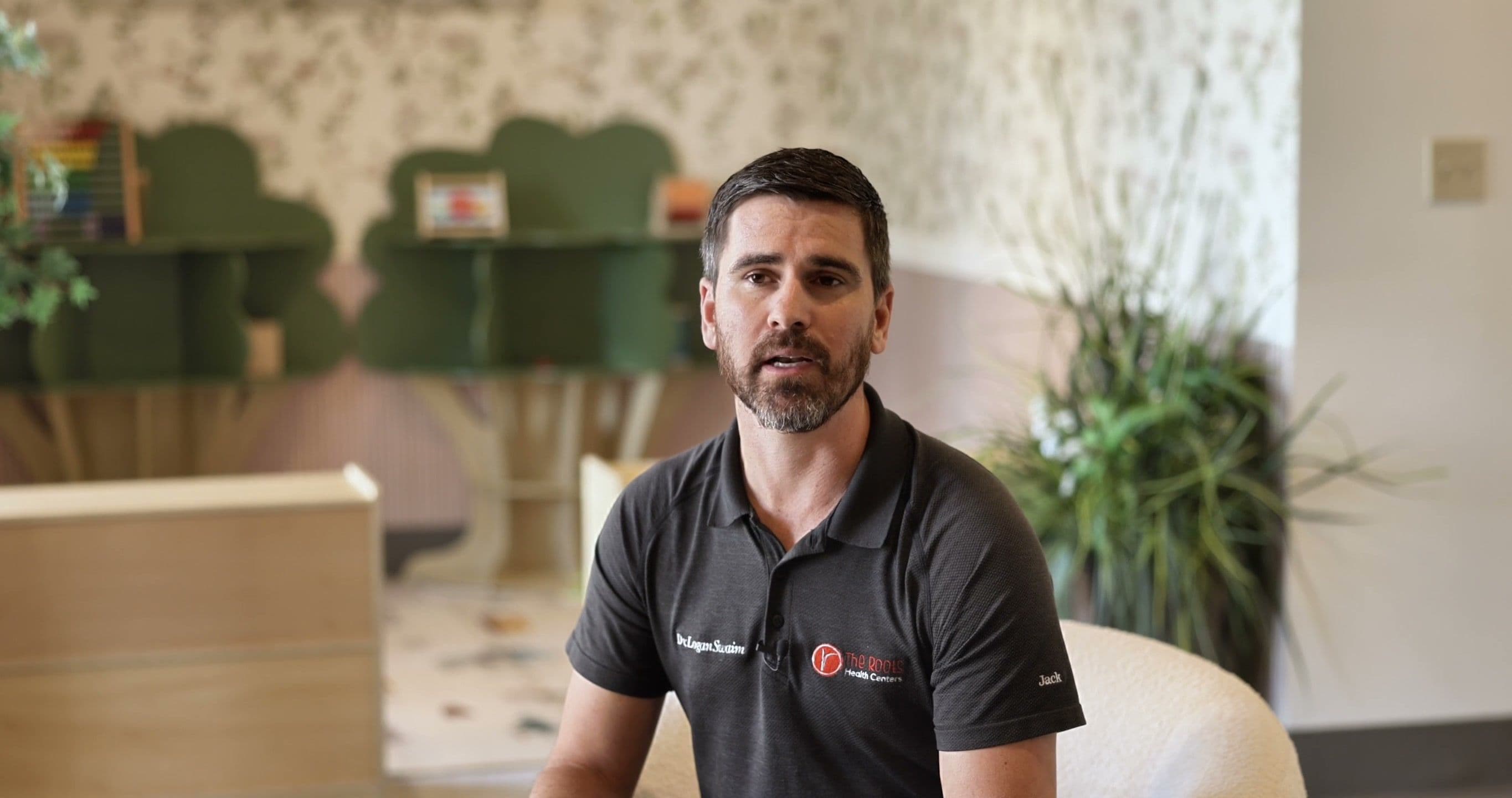
Dr. Logan Swaim, MS, DC
When your feet feel numb or unsteady, the right shoes and a few simple home changes can lower your fall risk. Here's a practical, hopeful guide.
If your feet feel numb, tingly, or strangely far away when you walk, you already know the quiet worry that comes with it: what if I trip and don't catch myself in time? That worry has a name, and it's worth taking seriously. Neuropathy is nerve damage — often in the feet and lower legs — that can dull the signals your brain relies on to know where your feet are and how the ground feels beneath them. When those signals fade, your balance can quietly slip, and the risk of a fall goes up. The good news is that the right footwear, a few smart changes at home, and steady attention to your nerves and circulation can make a real difference. At The Roots Neuropathy in Lakewood Ranch, FL, we help people who've been told "nothing more can be done" take another look at what's possible — starting with peripheral neuropathy and the everyday safety that surrounds it.
Why neuropathy affects your balance
Your sense of balance is a team effort. Your inner ear, your eyes, and the sensors in the soles of your feet all report to your brain dozens of times a second. The feet are the part most people never think about — until those sensors go quiet.
When nerve damage dulls the feedback from your feet, your brain loses one of its three main balance inputs. It's a bit like trying to walk across a dark room when the floor has gone slightly numb. You can still do it, but you lean harder on your eyes, you move more cautiously, and an unexpected curb or a loose rug becomes a genuine hazard. This is why balance problems and neuropathy so often travel together — and why protecting your footing is one of the most practical things you can do for your independence.
What it actually feels like
Neuropathy shows up differently from person to person, but people describe a familiar cluster of sensations. You might notice:
- A feeling that you're walking on cushions, sand, or bunched-up socks
- Numbness in the hands and feet that makes it hard to feel the floor
- Burning, tingling, or "pins and needles," especially at night
- Foot pain that flares with certain shoes or after standing
- Cold feet and signs of poor circulation, where your feet stay chilly even in warm rooms
- A sense that your feet aren't quite where you expect them to be in the dark
If any of these sound like your day, you're not imagining it — and you're not alone.
What contributes to the unsteadiness
Several things can stack up to make balance harder. Understanding them helps you and your care team know where to focus.
Reduced sensation in the soles
The sensors that tell your brain "your heel just landed" can grow faint. Your gait often shortens and stiffens to compensate, which ironically can make you less stable, not more.
Muscle and ankle weakness
When nerves to the small muscles of the foot and ankle are affected, those muscles can weaken. A weaker ankle is slower to correct a wobble before it becomes a stumble.
Circulation changes
When blood flow to the feet is sluggish, tissues get less oxygen and nerves are slower to recover. Cold, pale feet are a sign worth paying attention to.
Diabetes and other underlying causes
Diabetes is one of the most common contributors, which is why diabetic neuropathy gets special attention — steady blood sugar and daily foot checks become part of staying upright.
When to seek prompt medical care
Footwear and home tweaks are about everyday safety — they don't replace medical care, and some signs deserve a doctor's prompt attention. Call your physician or seek care right away if you notice a sore, blister, or cut on your foot that isn't healing, sudden weakness, a foot that has changed color or temperature dramatically, or any new wound you can't feel. Because neuropathy can mask pain, a small injury can quietly become a serious one. The care we provide is meant to complement, not replace, the work of your medical team. When in doubt, get the foot looked at — your feet are easier to protect than to repair.
The best shoes for neuropathy and balance
Shoes are the cheapest, fastest upgrade you can make to your stability today. The goal is simple: give your feet a stable, protective platform that helps your brain feel the ground without punishing it. Look for these features.
A firm, non-slip sole
A sole that grips — rubber, lightly textured — and doesn't twist easily in your hands gives you traction and a predictable platform. Skip smooth-bottomed dress shoes and worn-down soles.
A wide, roomy toe box
Neuropathy can come with swelling and sensitivity. A wide toe box keeps pressure off, reduces hot spots, and lowers the chance of unnoticed rubbing that turns into a blister.
A secure fastening and a firm heel counter
Laces, straps, or hook-and-loop closures hold the foot in place so it isn't sliding around. A firm heel cup (the back of the shoe) cradles your ankle and steadies each step. Avoid backless slides and loose slippers — a leading cause of trips at home.
Cushioning that supports, not swallows
A little cushioning protects sore feet, but a too-soft, mushy shoe can actually muffle the ground feedback you still have. Aim for supportive, not pillowy. Many people do well in a quality walking shoe or one fitted by a knowledgeable shoe store, and some benefit from custom orthotics — ask your provider.
Make your home easier to walk through
More falls happen at home than anywhere else, and most are preventable with small changes. Walk through your house with fresh eyes and ask, "where could I catch a foot?"
- Remove or tape down loose throw rugs — they're the number-one tripping hazard
- Keep walkways clear of cords, shoes, and clutter
- Add bright lighting to hallways and stairs, plus nightlights to bathrooms
- Put grab bars in the shower and beside the toilet
- Wear supportive shoes indoors instead of socks or floppy slippers
- Keep a phone within reach in the rooms where you spend the most time
None of this is glamorous, but each small change quietly tilts the odds in your favor.
Simple balance habits that help
Balance is partly a skill, and skills can be practiced. Many people can safely rebuild some steadiness with gentle, consistent effort — always check with your provider first, and always practice near a sturdy countertop or chair you can grab.
Gentle standing balance work, slow heel-to-toe walking, and ankle and calf strengthening can all support better footing over time. Moving more in general keeps circulation flowing and muscles engaged. The point isn't to push hard; it's to practice often, safely, and to give your nervous system regular reasons to stay sharp.
How we help at The Roots Neuropathy
There's a difference between managing the worry and addressing what's underneath it. Our approach looks at the nerves and the circulation that feed them, because healthier blood flow gives nerves a better chance to recover and respond. Every person is different, so we take a personalized approach rather than a one-size-fits-all plan.
A thorough neurological evaluation
We start by understanding your specific picture — where sensation has faded, how your balance is holding up, and what's contributing. A careful neurological evaluation gives us a baseline so progress can be measured, not guessed at.
Support for circulation and nerve health
One of the tools we may use is red light therapy, which is designed to support circulation and the body's own repair processes. Paired with at-home habits, footwear, and balance work, it's part of a layered approach meant to support your nerves rather than simply mask the feeling.
We can't promise a particular outcome — no honest provider can — but we can promise a real conversation about what might be possible for you.
Where to start in Lakewood Ranch
If you've been told to just live with numb, unsteady feet, you deserve another conversation. The simplest next step is a low-pressure one: come in, tell us your story, and let us take a look. We'll talk through your footwear, your home, your balance, and what's happening with your nerves and circulation — then lay out the options honestly.
You can schedule a complimentary consultation with our Lakewood Ranch team, led by Dr. Logan Swaim, MS, DC, who wrote a book on neuropathy and has spent years helping people in your shoes. With a 4.8-star rating from more than 625 Google reviews, our neighbors keep telling us the same thing: it felt good to finally be heard. Call (941) 877-1507 or book online when you're ready.
Frequently Asked Questions
What kind of shoes are best if I have neuropathy?
Look for a firm non-slip sole, a wide roomy toe box, a secure closure (laces or straps), and a firm heel counter that cradles your ankle. Supportive beats super-soft — too much cushioning can muffle the ground feedback you still have. A knowledgeable shoe fitter or your provider can help, and some people benefit from custom orthotics.
Can neuropathy really make me more likely to fall?
Yes. Your feet are one of your brain's main balance sensors, and when nerve damage dulls those signals, your footing gets less reliable — especially in the dark or on uneven ground. That's why supportive footwear and a fall-proofed home matter so much.
Are slippers or going barefoot at home okay?
Floppy slippers and bare or sock feet are common culprits in household trips. A supportive indoor shoe with a back and a non-slip sole is a safer choice on hard floors.
Will my balance ever improve?
Everyone's situation is different, so we don't make blanket promises. Many people do support steadier footing over time with safe balance practice, better footwear, attention to circulation, and care focused on nerve health. The honest answer is: it's worth finding out what's possible for you.
Why do my feet feel cold and numb at the same time?
That combination often points to both nerve involvement and sluggish circulation. Healthier blood flow gives nerves a better chance to recover, which is why we look at circulation alongside sensation in your evaluation.
How do I get started with The Roots Neuropathy?
The easiest first step is a complimentary consultation at our Lakewood Ranch, FL office. Call (941) 877-1507 or book online, and we'll talk through your feet, your balance, and your options — no pressure, just a real conversation.

Medically reviewed by
Founder & Clinical Director of The Roots Neuropathy and author of The Truth About Reversing Neuropathy Now. He leads every neuropathy evaluation and care plan at our Lakewood Ranch clinic.
Learn More
Conditions we help with
Peripheral Neuropathy
Peripheral neuropathy is nerve damage to the peripheral nervous system — the vast network connecting your brain and spinal cord to the rest of your body. Numbness, tingling, burning pain, and weakness in the extremities are its hallmarks. It is treatable.
Learn moreDiabetic Neuropathy
Diabetic neuropathy is nerve damage driven by chronically elevated blood sugar. It is the most common form of neuropathy in the United States, affecting roughly half of all people with type 2 diabetes. Numbness, burning, and tingling in the feet are the classic early signs.
Learn moreKeep Reading
More on neuropathy
Compression Gloves for Hand Neuropathy: Do They Help?
Compression gloves are a popular pick for numb, tingling hands — but do they actually help neuropathy? Here's what they do, don't do, and how to use them safely.
Neuropathy in the Fingers vs. Carpal Tunnel: How to Tell Them Apart
Numbness and tingling in your fingers can come from more than one place. Here's how to tell peripheral neuropathy apart from carpal tunnel syndrome — and what to do next.
Diabetic Neuropathy Foot Care: A Daily Checklist
When diabetic neuropathy dulls sensation in your feet, small problems can go unnoticed. Here's a practical daily checklist for protecting them.


