

The Golden Honey Hack for Neuropathy: What's Real, and What Isn't
Dr. Logan Swaim, MS, DC
A viral "golden honey hack" claims to reverse neuropathy overnight. Here's the honest truth about what's real, and a genuine blood-sugar caution for diabetic patients.
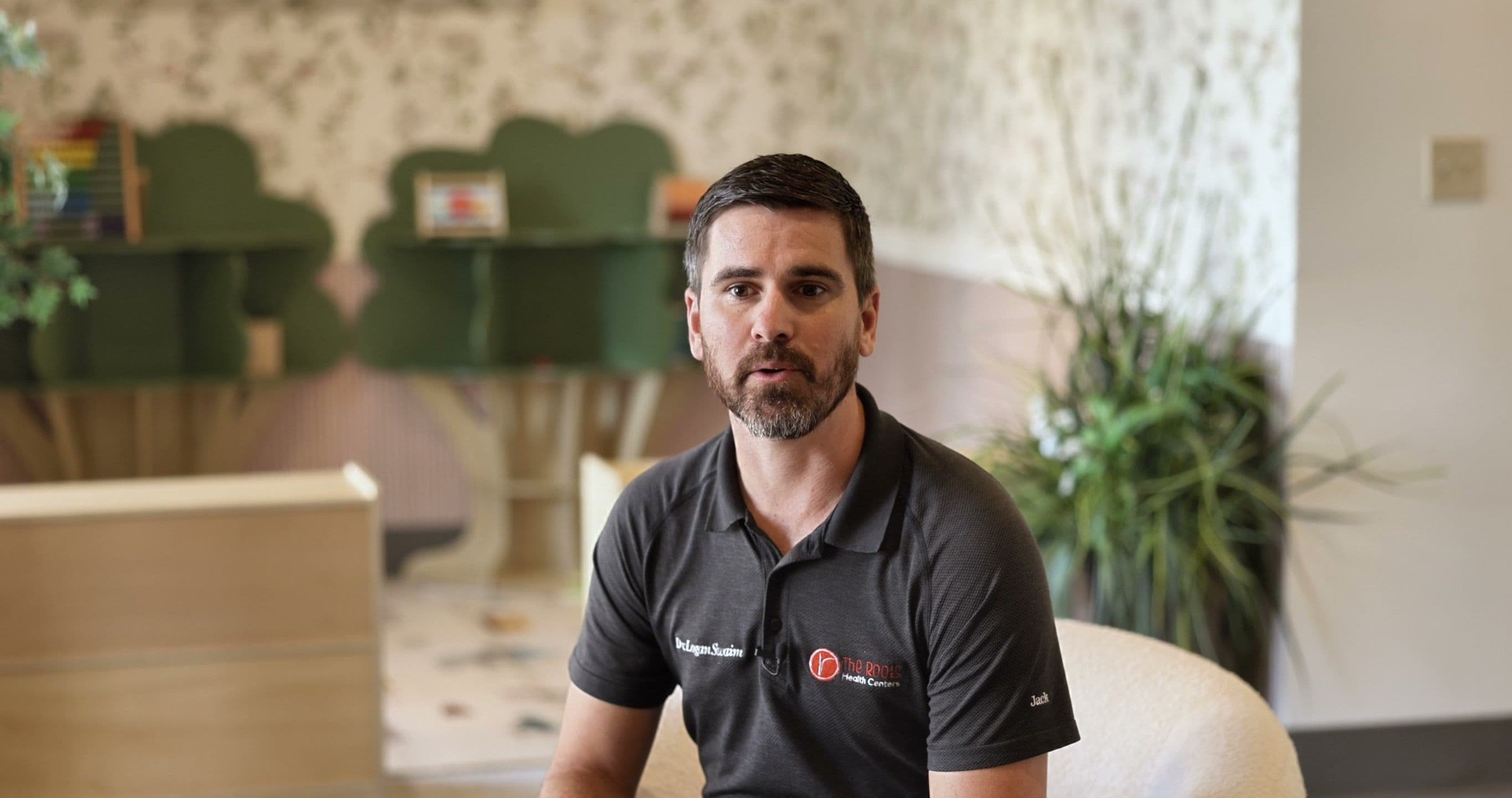
If you've seen the "golden honey hack for neuropathy" making the rounds on social media, you're probably wondering the same thing thousands of other people are asking right now: does the golden honey hack actually work for neuropathy? The honest, direct answer is no. A bedtime honey ritual cannot reverse or repair damaged nerves, no matter how many testimonials show up in your feed. But the trend isn't harmless to ignore either, and if you have diabetic neuropathy, there's a real safety reason to think twice before trying it. Here's what the trend actually claims, why it spreads so easily, what's really happening in your nerves, and what genuinely has support behind it.
What Is the "Golden Honey Hack" Trend, Exactly?
The version circulating online usually goes something like this: mix raw honey with a warming spice like cinnamon or turmeric, sometimes with a splash of apple cider vinegar, and take it nightly before bed. Creators claim it "reverses" nerve damage, "cures" tingling and burning, or restores feeling to numb feet within days or weeks. Some videos frame it as a secret home remedy that doctors supposedly don't want you to know about.
Strip away the dramatic language and what's left is a spoonful of honey and a story. There's no clinical trial behind the specific "golden honey" ritual, and no mechanism by which swallowing honey at bedtime would repair a damaged peripheral nerve fiber.
Why This Trend Feels So Convincing
We understand why videos like this spread, and it isn't because people are gullible. If you're dealing with burning, tingling, or numb feet, you've likely already been through appointments that ended with "manage it" or "here's a prescription" and not much else. A simple, natural, inexpensive ritual you can start tonight is an appealing alternative to that experience. Honey also has a long folk history as a wound remedy, so there's a kernel of plausibility that makes the claim easier to believe than it should be.
None of that makes the underlying science true. It just explains why so many people, understandably, want it to be.
We see this pattern often with the patients who come through our doors in Lakewood Ranch, Sarasota, and Bradenton. Many have already tried something simple and hopeful from social media before they ever book an evaluation with us, and we never want anyone to feel foolish for trying. The goal here isn't to shame anyone who's tried the honey hack. It's to give you the fuller picture so your next step is an informed one.
What's Actually Happening in Your Nerves
Peripheral neuropathy means the nerves themselves, the wiring that carries sensation and signals between your body and brain, have been damaged or are not functioning the way they should. That damage can come from diabetes, past chemotherapy, alcohol use, an unclear cause, or several factors layered together. Whatever the cause, nerve fibers are complex structures, and repairing or supporting them is a slow, biological process, not something that responds to a food eaten at bedtime.
A spoonful of honey doesn't reach your nerve fibers as "repair material." It's digested as sugar. That's a very different thing from the kind of care that's actually aimed at supporting nervous-system regulation, starting with a proper evaluation that maps what's actually going on with your circulation, sensation, and balance before any plan is built.
The Caution Most of These Videos Skip: Honey and Blood Sugar
Here's the part of this trend that concerns us most as clinicians, and it's the opposite of what the videos promise. Honey is sugar. A tablespoon can raise blood glucose meaningfully, and for the many people whose neuropathy symptoms are connected to diabetes, elevated blood sugar is one of the very things that can aggravate nerve irritation over time.
If you're managing diabetic neuropathy, taking a nightly dose of honey isn't a neutral experiment you can just try and stop if it doesn't work. It's a habit that runs directly against blood sugar stability, which matters for nerve health specifically. This is a genuine safety consideration, not just a "it probably doesn't work" shrug. If diabetes or blood sugar plays any role in your neuropathy, we'd encourage you to talk with your physician before adding regular honey intake to your routine, and to bring the question to your next visit with us so it can be part of your full picture.
Is There Any Truth to It at All?
We try to be honest rather than dismissive, so it's worth separating the ritual from its ingredients. Some of the individual components in these recipes, like cinnamon and turmeric, have been studied for general anti-inflammatory properties, and nutrition genuinely does play a role in supporting nerve health over time. That's a real, evidence-aware conversation, and it's part of why what you eat can support nerve health even though diet alone won't undo nerve damage.
What isn't supported is the specific claim: that a honey-based ritual reverses or cures neuropathy, or that it works faster or more reliably than the slow, individualized process nerve support actually requires. A helpful analogy is a single vitamin versus a full, personalized nutrition plan built around your actual labs and history, discussed as part of nutritional support alongside the rest of your care. One is a guess. The other is a plan built around your specific body.
What Actually Has Support for Neuropathy
Dr. Logan Swaim, who leads our neuropathy program at The Roots Neuropathy in Lakewood Ranch, hears about trends like this from patients often, and the response is always the same: we'd rather give you a real answer than a viral one. What tends to genuinely help is an approach built on actual testing rather than a recipe, starting with a neurological evaluation that measures circulation, sensation, and balance so your plan reflects what's really happening in your body. From there, a drug-free, nervous-system-focused neuropathy program may combine in-clinic care with consistent daily habits that actually support your nerves over time, not overnight.
This is also why we lean on objective testing instead of trends. Circulation, sensation, and balance patterns can show what a social media video simply can't account for, because your history, your labs, and the cause behind your neuropathy are unique to you. A plan built on that information will always outperform a recipe built for a general audience.
Your body's ability to support its own healing is greater than you may have been told, but that potential unfolds through a real, personalized plan, not a spoonful of honey and a bedtime ritual. You deserve an honest conversation about what's actually possible for your specific situation.
Frequently Asked Questions
Does the golden honey hack work for neuropathy? No. There's no clinical evidence that a honey-based bedtime ritual reverses or cures nerve damage. Some of its individual ingredients have general anti-inflammatory research behind them, but the specific "hack" as promoted online isn't supported.
Is honey bad for neuropathy? It depends on the cause of your neuropathy. If your nerve symptoms are related to diabetes or blood sugar, regular honey intake can work against blood sugar stability, which is a genuine caution worth discussing with your physician and bringing up at your next visit with us.
Why do these "hack" trends spread so fast? They offer something people genuinely want: a simple, natural, low-cost option for a frustrating, often dismissed condition. The appeal is understandable even when the specific claim isn't supported.
Can diet help neuropathy at all? Nutrition can play a real supporting role in nerve health as part of a broader, personalized plan, but diet alone won't undo nerve damage. It works best alongside proper evaluation and care, not as a standalone solution.
What should I do instead of trying viral remedies? Start with a real evaluation. A neurological evaluation gives you an objective picture of what's actually happening with your nerves, so any next steps are based on your body, not a trend.
If you've been chasing an answer online and want a real one instead, book a $49 evaluation at The Roots Neuropathy in Lakewood Ranch, and let's talk about what's actually possible for you.

Medically reviewed by
Founder & Clinical Director of The Roots Neuropathy and author of The Truth About Reversing Neuropathy Now. He leads every neuropathy evaluation and care plan at our Lakewood Ranch clinic.
Related Reading
Related articles
Diabetic Neuropathy: Why It Happens and What Can Be Done
If you have diabetes and tingling, burning, or numb feet, here's why it happens, what your symptoms mean, and what care can support your nerves beyond managing it.
Neuropathy Diet: Foods That May Support Nerve Health
Diet won't undo nerve damage on its own, but what you eat plays a real role in supporting nerve health. Here's a plain-English look at foods and nutrients worth knowing about.
Keep Reading
More on neuropathy
Neuropathy in the Fingers vs. Carpal Tunnel: How to Tell Them Apart
Numbness and tingling in your fingers can come from more than one place. Here's how to tell peripheral neuropathy apart from carpal tunnel syndrome — and what to do next.
Diabetic Neuropathy Foot Care: A Daily Checklist
When diabetic neuropathy dulls sensation in your feet, small problems can go unnoticed. Here's a practical daily checklist for protecting them.
Meralgia Paresthetica: What Thigh Numbness and Tingling Can Mean
Numbness, tingling, or burning on the outer thigh can be meralgia paresthetica — a specific nerve entrapment with its own pattern and its own path forward.


