

Neuropathy in the Fingers vs. Carpal Tunnel: How to Tell Them Apart
Dr. Logan Swaim, MS, DC
Numbness and tingling in your fingers can come from more than one place. Here's how to tell peripheral neuropathy apart from carpal tunnel syndrome — and what to do next.
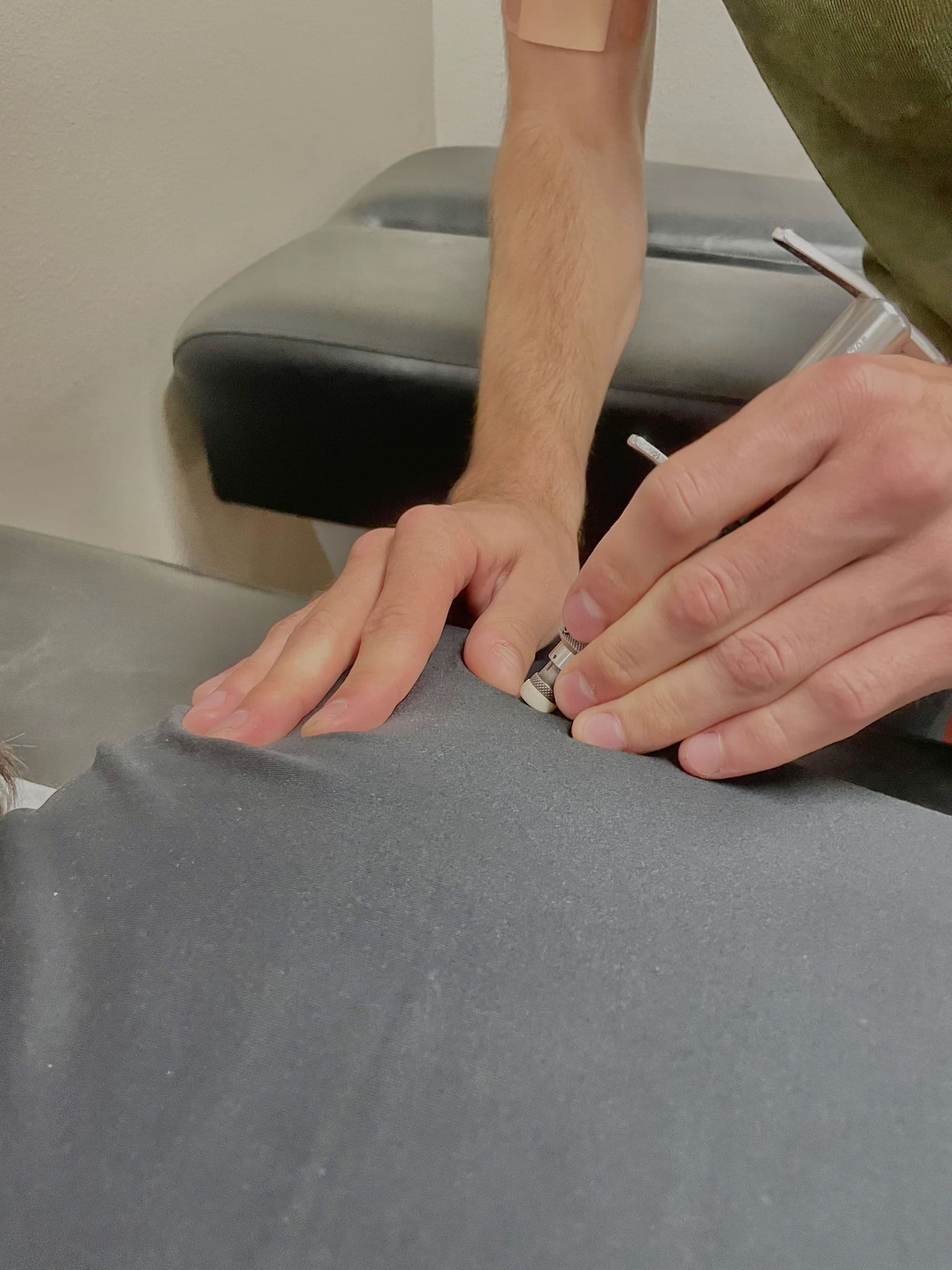
Numbness and tingling in your fingers can come from more than one place, and two of the most common culprits — carpal tunnel syndrome and peripheral neuropathy — get mixed up constantly because they can feel remarkably similar at first. The pattern of where and when you feel it, though, usually tells a different story once you know what to look for.
What Is Carpal Tunnel Syndrome?
Carpal tunnel syndrome happens when the median nerve, which runs from your forearm into your hand through a narrow passage in your wrist called the carpal tunnel, gets compressed. That compression is mechanical — repetitive wrist motion, swelling, or anatomy that narrows the tunnel are common contributors. Because it's the median nerve specifically that's affected, carpal tunnel symptoms follow a fairly predictable map: numbness or tingling in the thumb, index finger, middle finger, and part of the ring finger — but typically not the pinky, which is supplied by a different nerve.
What Is Peripheral Neuropathy in the Hands?
Peripheral neuropathy is damage or dysfunction affecting the peripheral nerves more broadly, often from causes like diabetes, certain autoimmune conditions, nutritional deficiencies, or — in a meaningful number of cases — no clearly identified cause at all. Rather than one nerve being compressed at one specific point, neuropathy tends to affect nerve fibers more diffusely, which changes the symptom pattern in some important ways.
Key Differences: Pattern, Location, and Triggers
A few questions tend to separate the two:
- Which fingers are involved? Carpal tunnel classically spares the pinky. Neuropathy in the hands typically doesn't follow that specific nerve map — it's more likely to involve all the fingers, including the pinky, and often the whole hand.
- Does it wake you up at night? Carpal tunnel is well known for night symptoms — many people wake up needing to "shake out" their hand. Neuropathy can also be worse at night, so this one alone isn't a reliable way to tell them apart, but the pattern of relief matters: shaking out the hand often helps carpal tunnel meaningfully; it tends to do much less for neuropathy.
- What makes it worse during the day? Carpal tunnel symptoms often flare with specific repetitive wrist activities — typing, gripping a steering wheel, scrolling a phone for a long stretch. Neuropathy symptoms are usually less tied to a specific motion and more constant or gradually progressive.
- Is there weakness? Both can eventually involve weakness, but carpal tunnel more classically shows up as weak grip strength or dropping objects, tied to that same median-nerve distribution, especially at the base of the thumb.
Does It Affect One Hand or Both?
This is one of the more useful clues. Carpal tunnel syndrome is often worse in the dominant hand, or can start in one hand well before (or without ever) affecting the other, since it's driven by mechanical use of that specific wrist. Peripheral neuropathy, by contrast, tends to be symmetric — showing up in both hands at roughly the same time and severity, because it usually reflects something happening at the nerve level more broadly rather than pressure at one specific spot.
What About Your Feet?
This is often the clearest differentiator of all. Carpal tunnel syndrome is a hand-and-wrist problem — it has nothing to do with your feet. Peripheral neuropathy, especially the more common forms, frequently starts in the feet before it ever reaches the hands, following a pattern sometimes described as "stocking-glove" because it spreads from the farthest points inward. If you're noticing numbness or tingling in your feet as well as your hands, that pattern points much more strongly toward neuropathy than toward carpal tunnel.
How Are They Diagnosed?
Both conditions can be evaluated with a nerve conduction test, which measures how well electrical signals travel along a nerve and can help pinpoint whether a problem is localized (as in carpal tunnel) or more diffuse (as in neuropathy). At The Roots Neuropathy, a full neurological evaluation looks at sensory function, circulation, and balance together, rather than assuming which condition is present from symptoms alone. Getting an accurate picture matters, because the approach that may help each condition is different.
Common Causes Behind Neuropathy in the Hands
When neuropathy is the culprit, there's usually an underlying driver worth understanding rather than treating the numbness as a standalone problem. Diabetic neuropathy is the most common cause nationally, since prolonged elevated blood sugar can affect nerve function over time. Other cases trace back to autoimmune conditions, vitamin deficiencies, or heavy alcohol use, and a meaningful share are labeled idiopathic — meaning no single clear cause is identified even after a thorough workup. None of that changes the symptom pattern much, but it does change what may help, which is part of why identifying the underlying picture matters as much as identifying the nerve pattern itself. For more on how symptoms in the hands specifically can present, see neuropathy in the hands.
Can You Have Both at the Same Time?
Yes — and this is more common than a lot of people expect, particularly for anyone whose daily work involves repetitive hand use alongside an underlying condition that also affects nerve health more broadly. When both are present, it's easy for one to mask or get blamed for the other's symptoms, which is exactly why a proper evaluation matters more than guessing based on which explanation you found first online.
Where This Fits Into a Broader Picture
Hand symptoms rarely tell the whole story on their own. At The Roots Neuropathy, care typically starts with looking at the full picture — circulation, sensory function, and balance — through a comprehensive evaluation, rather than treating hand numbness as an isolated issue. Because neuropathy often involves the feet as much as (or more than) the hands, a full-body evaluation tends to catch patterns that a hands-only assessment would miss entirely.
Frequently Asked Questions
Can carpal tunnel syndrome turn into neuropathy? Not exactly — they're different mechanisms. Carpal tunnel is a compression at one specific site, while neuropathy reflects broader nerve dysfunction. That said, both can be present in the same person for entirely separate reasons.
Does carpal tunnel ever affect the feet? No. Carpal tunnel syndrome is specific to the median nerve at the wrist and doesn't involve the feet. Foot symptoms alongside hand symptoms point toward a more systemic issue like peripheral neuropathy.
Which is more common? Both are common, but they show up in different populations for different reasons — carpal tunnel is closely tied to repetitive wrist use, while neuropathy is more often linked to underlying health conditions or, in some cases, no identifiable cause.
Should I see a doctor if I'm not sure which one I have? Yes. The finger-by-finger pattern, whether both hands are affected, and whether your feet are involved are all useful clues, but a proper evaluation — including a nerve conduction test when appropriate — is the reliable way to know for sure.
Can chiropractic care help with either of these? Care approaches differ by cause and presentation. A circulation and sensory evaluation is the starting point for understanding what may help in your specific case — each person's situation is different.
If your hands — or your hands and feet — have been telling you something isn't right, don't guess at which condition is behind it. Schedule a consultation with The Roots Neuropathy in Lakewood Ranch and get a clear, evaluation-based answer.
The Roots Neuropathy, 8209 Natures Way, Unit 115, Lakewood Ranch, FL 34202. (941) 877-1507.

Medically reviewed by
Founder & Clinical Director of The Roots Neuropathy and author of The Truth About Reversing Neuropathy Now. He leads every neuropathy evaluation and care plan at our Lakewood Ranch clinic.
Learn More
Conditions we help with
Peripheral Neuropathy
Peripheral neuropathy is nerve damage to the peripheral nervous system — the vast network connecting your brain and spinal cord to the rest of your body. Numbness, tingling, burning pain, and weakness in the extremities are its hallmarks. It is treatable.
Learn moreDiabetic Neuropathy
Diabetic neuropathy is nerve damage driven by chronically elevated blood sugar. It is the most common form of neuropathy in the United States, affecting roughly half of all people with type 2 diabetes. Numbness, burning, and tingling in the feet are the classic early signs.
Learn moreIdiopathic Neuropathy
Idiopathic neuropathy means the nerve damage has no identifiable cause after standard workup. It accounts for roughly one-third of peripheral neuropathy cases. The label is honest — but it should be the beginning of the conversation, not the end.
Learn moreRelated Reading
Related articles
Neuropathy in the Hands: What Tingling, Numbness, and Weakness in Your Fingers Can Mean
Tingling, numbness, or weak grip in your hands can signal nerve trouble. Here's what those sensations may mean, why they happen, and where to start.
Radiculopathy vs. Neuropathy: How to Tell Them Apart
Nerve pain, numbness, and tingling can come from radiculopathy or neuropathy — two different problems that often get confused. Here's how to tell which one is likely yours.
Nerve Conduction Test: What to Expect
If you've been referred for a nerve conduction test, here's what actually happens before, during, and after, and why a normal result doesn't always rule out nerve damage.
Keep Reading
More on neuropathy
Diabetic Neuropathy Foot Care: A Daily Checklist
When diabetic neuropathy dulls sensation in your feet, small problems can go unnoticed. Here's a practical daily checklist for protecting them.
Meralgia Paresthetica: What Thigh Numbness and Tingling Can Mean
Numbness, tingling, or burning on the outer thigh can be meralgia paresthetica — a specific nerve entrapment with its own pattern and its own path forward.
Vitamin B1 (Thiamine) and Neuropathy: What the Research Shows
Thiamine (vitamin B1) deficiency is a well-documented cause of nerve damage, especially tied to alcohol use or bariatric surgery. Here's what the research on thiamine and neuropathy actually shows.


