

Neuropathy Support Groups and Community: Are They Worth It?
Dr. Logan Swaim, MS, DC
Neuropathy can be an isolating condition. Here's an honest look at what support groups and community actually offer — and how to find one worth your time.
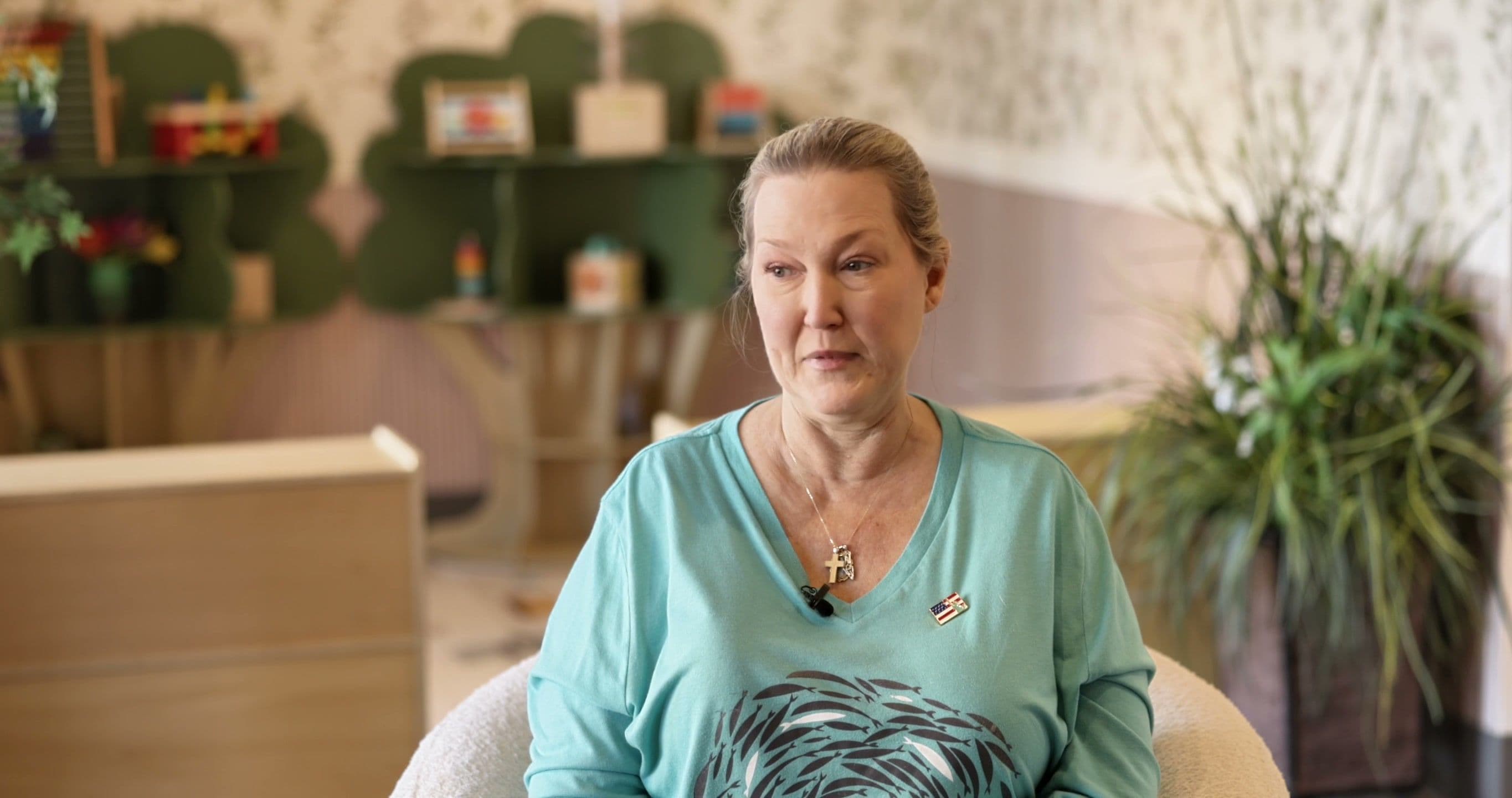
Peripheral neuropathy can be an isolating condition. Friends and family who haven't experienced it may struggle to understand why your feet feel like they're burning, buzzing, or wrapped in cotton all at once — and that gap in understanding is part of why neuropathy support groups have become such a common recommendation. But is joining one actually worth it? The honest answer: for many people, yes — but not every group is a good fit, and it helps to know what to actually look for.
Why Community Matters With a Condition Like Neuropathy
Peripheral neuropathy is a chronic condition that often comes with real emotional weight — frustration with a body that doesn't feel reliable, grief over activities that have become harder, and sometimes a lonely sense that "no one really gets it." Talking with people who are living through the same day-to-day reality — the same burning feet at night, the same caution navigating stairs, the same fatigue of managing a condition that doesn't take a day off — can ease some of that isolation in a way that even the most supportive friend or family member sometimes can't.
Beyond the emotional piece, community can also be a practical resource: people who've tried a certain shoe, found a helpful routine, or navigated a tricky conversation with an employer (our guide on neuropathy and disability covers more on that specific topic) often have insights that are hard to find anywhere else.
What a Good Support Group Can Offer
At its best, a neuropathy support group offers a few distinct things: a space to talk openly about symptoms and frustrations without having to explain the basics first, practical tips from people who've actually lived with the day-to-day reality of nerve pain, and a reminder that you're not managing this alone. Some people find that just knowing others are dealing with the same thing takes some of the weight off, even on days when nothing about the neuropathy itself has changed.
Groups can also be a source of encouragement for the harder parts of living with a chronic condition — sticking with an exercise routine, trying a new balance-focused habit, or simply having somewhere to vent on a bad day. That kind of steady encouragement is hard to manufacture on your own. Our guide on managing neuropathy flare-ups day to day covers more on the practical side of coping.
What a Support Group Isn't — and Shouldn't Try to Be
A support group is not a substitute for medical care, and a good one won't pretend to be. Be cautious of any group — online or in person — that leans heavily into specific product recommendations, unverified cures, or medical advice from non-clinicians. Neuropathy has many different underlying causes, and what helped one person's symptoms may not be appropriate, or even safe, for someone with a different underlying condition.
The most useful groups tend to treat shared experience as exactly that — shared experience — while still pointing members back toward their own care team for anything medical. If a group's dominant message is "this one product cured my neuropathy," that's worth treating with real skepticism rather than taking at face value.
Where to Find Neuropathy Communities
A few starting points tend to work well:
- National organizations. Groups like the Foundation for Peripheral Neuropathy maintain online communities and sometimes local chapter listings.
- Online forums and social media groups. These offer round-the-clock access and a wide range of experiences, though the caution above about unverified advice applies especially here.
- Local hospital or clinic-affiliated groups. Some hospital systems and clinics host in-person groups, which can offer the added benefit of meeting people in your own area.
- Condition-specific communities, for example groups focused on diabetic neuropathy or chemotherapy-induced neuropathy, which can connect you with people managing the same underlying cause as you.
If you're not sure where to start, our team is happy to talk through what's available locally during a neuropathy evaluation.
Questions Worth Asking Before You Join
Before committing to a group, a few questions can help you gauge fit: Is the group moderated, and by whom? Does it welcome people with different underlying causes of neuropathy, or is it focused on one specific type? Is the tone supportive, or does it lean toward fear or urgency? Does the group encourage members to stay in touch with their own medical care, or does it position itself as a replacement for it? A group that feels rushed, high-pressure, or centered around selling something is worth a second look before you invest your time and trust in it.
If a Group Isn't the Right Fit
Support groups aren't for everyone, and that's okay. Some people find more value in one-on-one conversations with a close friend or family member, a therapist, or simply their own care team. Others prefer to manage the emotional side of neuropathy more privately. There's no single right way to find support, and trying a group and deciding it's not for you doesn't mean something is wrong — it just means you might need a different kind of connection.
What matters more than the specific format is having somewhere to bring the parts of living with neuropathy that are hard to carry alone, whether that's a group, a person, or your own care team.
Frequently Asked Questions
Are neuropathy support groups free to join? Most nonprofit and hospital-affiliated support groups are free. Online communities are generally free as well, though it's worth reading a group's guidelines before joining.
Can a support group replace seeing a doctor? No. A support group offers connection and shared experience, not medical care. Any specific symptom changes or treatment questions should go to your own care team.
How do I know if a support group is trustworthy? Look for groups affiliated with a recognized organization, hospital, or clinic, and be cautious of any group centered heavily around a single product or an unverified cure claim.
Is it normal to feel isolated with neuropathy? Yes. Chronic nerve pain is genuinely hard for people without it to fully understand, and that gap is a common reason people seek out others living with the same condition.
What if I try a support group and it's not for me? That's completely normal. Support comes in different forms, and a group is just one option among several — a therapist, a close friend, or your own care team can serve a similar purpose.
If living with neuropathy has felt isolating, know that support — whether that's community, a care team, or both — is available. Schedule a consultation with our team at The Roots Neuropathy in Lakewood Ranch, and let's talk through what support can look like for you.
The Roots Health Centers, 8209 Natures Way, Unit 115, Lakewood Ranch, FL 34202. (941) 877-1507.

Medically reviewed by
Founder & Clinical Director of The Roots Neuropathy and author of The Truth About Reversing Neuropathy Now. He leads every neuropathy evaluation and care plan at our Lakewood Ranch clinic.
Learn More
Conditions we help with
Related Reading
Related articles
Is Neuropathy a Disability? What to Know About Benefits, Work, and Your Rights
Wondering if your neuropathy qualifies as a disability? Here's how benefits, workplace accommodations, and medical documentation actually work.
Managing Neuropathy Flare-Ups Day to Day
Some days your nerve symptoms spike for no clear reason. Here's what usually triggers a neuropathy flare-up, what helps in the moment, and how to build a day-to-day routine that reduces them.
Walking and Staying Active With Neuropathy
Wondering if it's safe to walk with neuropathy? Here's how staying active can support nerve health, plus practical tips on footwear, terrain, and fall prevention.
Keep Reading
More on neuropathy
Fall-Proofing Your Home When You Have Neuropathy: A Room-by-Room Guide
When numbness or reduced sensation in your feet becomes part of daily life, your home can quietly become one of the riskiest places for a fall. Here's a practical, room-by-room way to reduce that risk.
Peppermint and Essential Oils for Neuropathy: An Honest Evidence Check
Peppermint oil shows up everywhere as a neuropathy home remedy. Here's what it actually does, doesn't do, and how to use it safely if you try it.
Compression Gloves for Hand Neuropathy: Do They Help?
Compression gloves are a popular pick for numb, tingling hands — but do they actually help neuropathy? Here's what they do, don't do, and how to use them safely.


