

Sudden Foot Pain Without Injury: What It Could Mean
Dr. Logan Swaim, MS, DC
Foot pain that shows up out of nowhere, with no twist, fall, or injury behind it, often has a nerve-related explanation. Here's what to know.
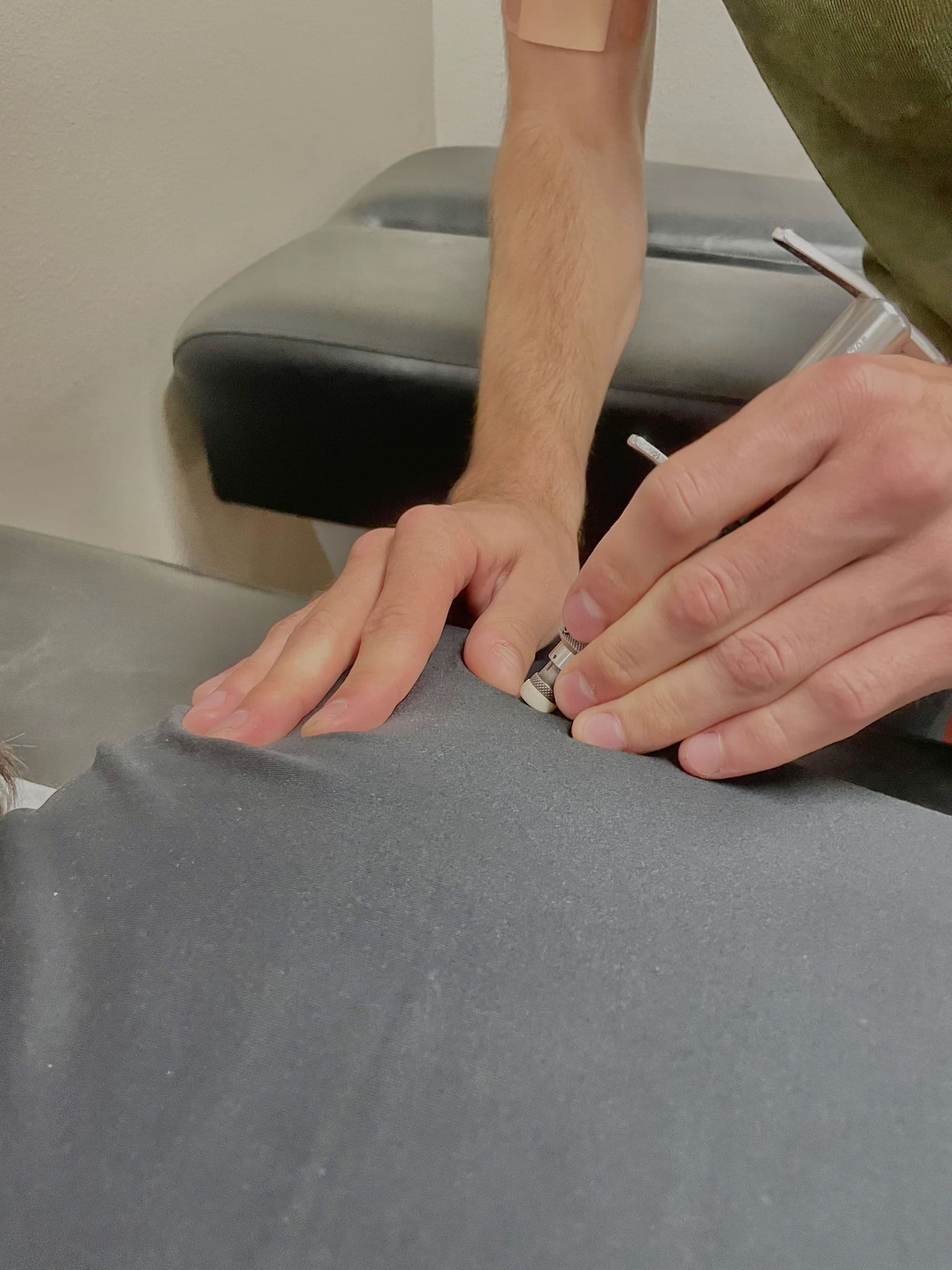
Foot pain that shows up seemingly out of nowhere — no twist, no fall, no new shoes, nothing you can point to — is confusing in a specific way that an obvious injury isn't. When there's no clear mechanical cause, that absence is actually useful information: pain without an injury behind it often points toward the nerves themselves rather than a sprain, strain, or bruise. Here's what tends to cause sudden, unexplained foot pain, what it can feel like, and when it's worth getting checked out.
Why "No Injury" Is an Important Clue
Mechanical foot pain — from a sprain, a stress fracture, or overuse — usually has a story behind it: a misstep, a new activity, a long day on your feet. Nerve-related pain often doesn't. It can appear at rest, wake you up at night, or show up during an ordinary walk with nothing unusual about it. That pattern is one of the first things a doctor listens for, because it shifts the likely explanation away from soft tissue and toward the nerves that supply sensation to your foot.
Possible Nerve-Related Causes
A few patterns commonly explain sudden, injury-free foot pain:
Peripheral neuropathy. Damage or dysfunction affecting the nerves that run to your feet can produce pain, burning, or unusual sensations that seem to appear without cause — often because the underlying nerve changes have actually been building quietly for a while before symptoms become noticeable.
Small fiber neuropathy. This form specifically affects the smaller nerve fibers responsible for pain and temperature sensation, and it frequently causes burning or stabbing foot pain that standard nerve testing can miss entirely — which is part of why it's so often misunderstood.
A pinched or entrapped nerve. Nerves can become compressed at specific points — in the ankle (sometimes called tarsal tunnel syndrome) or elsewhere along their path — producing pain that feels like it "just started" even though the compression developed gradually.
Blood sugar and circulation changes. For some people, changes in blood sugar regulation can affect nerve function over time, eventually producing foot symptoms that seem sudden even though the underlying process wasn't.
What the Pain Might Feel Like
Nerve-related foot pain has some recognizable patterns, though it varies from person to person:
- Sharp or stabbing pain that comes in brief, intense bursts
- A burning sensation, sometimes described as feeling like your foot is sunburned
- An electric-shock or jolting feeling, especially with certain movements
- Pain that's worse at rest or at night, rather than during activity
- Sensitivity to things that shouldn't normally hurt, like socks or bedsheets against your skin
Non-Nerve Explanations Worth Ruling Out
Not every case of unexplained foot pain is nerve-related. Plantar fasciitis, gout, a stress fracture that hasn't fully announced itself yet, and circulation issues can all cause pain that seems to come from nowhere. A physician or podiatrist can help rule these out, which is part of why a full evaluation — rather than guessing from symptoms alone — matters here.
Why It Can Feel Like It "Came Out of Nowhere"
One of the more confusing parts of nerve-related foot pain is the timing. Nerve fibers can sustain gradual, low-level changes for a long time — months, sometimes longer — before those changes cross a threshold where you actually notice symptoms. By the time pain shows up, it can feel abrupt and unexplained, even though the underlying process had been quietly developing well before that moment. This is part of why patients are often surprised when an evaluation turns up findings that suggest the issue isn't as new as the symptom felt. It also means that acting on new foot pain sooner, rather than waiting to see if it resolves, gives a doctor a better chance to understand what's actually going on before symptoms progress further.
When to Seek Prompt Medical Care
Most unexplained foot pain isn't an emergency, but a few signs are worth prompt medical attention rather than waiting to see if it passes:
- Pain accompanied by redness, warmth, swelling, or fever, which can point to infection
- Sudden numbness spreading beyond your foot
- Pain that appears alongside a new medication
- Any sudden foot symptom in someone with diabetes, since foot complications can progress quickly and deserve prompt evaluation
- Pain severe enough that you can't put weight on the foot at all
These situations call for a physician's evaluation first, before anything else.
While You're Waiting to Be Seen
If you're a few days out from getting in to see someone, a few gentle, low-risk habits may help in the meantime: check your feet daily for any redness, cuts, or changes you can't otherwise feel, especially if sensation feels reduced; avoid very hot water or heating pads directly on the area, since reduced sensation can make burns easy to miss; wear supportive, well-fitted shoes rather than going barefoot; and keep a simple log of when the pain shows up, what it feels like, and anything that seems to make it better or worse. That log can be genuinely useful information for whoever evaluates you.
How We Approach Unexplained Foot Pain
Once anything urgent has been ruled out, a neurological evaluation is where we start — a 16-point sensory exam, a circulation assessment, and a balance test designed to catch nerve-related patterns, including small-fiber patterns that standard tests can miss. Rather than treating foot pain as an isolated symptom, we look at what your nervous system as a whole is showing us, since sudden foot pain is often one piece of a larger picture rather than a standalone problem.
Frequently Asked Questions
What causes sudden foot pain with no injury? Without a clear mechanical cause, nerve-related explanations — including peripheral neuropathy, small fiber neuropathy, or a compressed nerve — are common possibilities, alongside non-nerve causes like plantar fasciitis or gout that a physician can help rule out.
Is sudden foot pain a sign of neuropathy? It can be. Neuropathy symptoms often develop gradually below the surface before becoming noticeable, which can make the pain feel sudden even though the underlying nerve changes weren't.
When should I worry about foot pain without injury? Seek prompt medical care if the pain comes with redness, swelling, warmth, or fever, if numbness is spreading, if you can't put weight on the foot, or if you have diabetes and notice any new foot symptom.
Can diabetes cause sudden foot pain? Changes in blood sugar regulation can affect nerve function over time, and resulting foot symptoms can seem to appear suddenly even though the process built up gradually. Anyone with diabetes noticing new foot pain should have it evaluated promptly.
Why did a normal X-ray or blood test not explain my foot pain? Standard imaging and bloodwork don't always capture nerve-specific issues, especially small fiber neuropathy. A dedicated neurological evaluation looks at sensation, circulation, and balance in ways that general testing often doesn't.
If you've had unexplained foot pain and haven't gotten a clear answer yet, schedule a consultation with our team at The Roots Neuropathy in Lakewood Ranch. We'll walk you through a full neurological evaluation and help you understand what may actually be going on.
The Roots Neuropathy, 8209 Natures Way, Unit 115, Lakewood Ranch, FL 34202. (941) 877-1507.

Medically reviewed by
Founder & Clinical Director of The Roots Neuropathy and author of The Truth About Reversing Neuropathy Now. He leads every neuropathy evaluation and care plan at our Lakewood Ranch clinic.
Learn More
Conditions we help with
Peripheral Neuropathy
Peripheral neuropathy is nerve damage to the peripheral nervous system — the vast network connecting your brain and spinal cord to the rest of your body. Numbness, tingling, burning pain, and weakness in the extremities are its hallmarks. It is treatable.
Learn moreSmall Fiber Neuropathy
Small fiber neuropathy is damage to the smallest nerve fibers — the ones that carry pain and temperature signals and help run automatic functions. It causes burning, stabbing, and hypersensitivity, often with completely normal EMG results. Your symptoms are real, and they have an explanation.
Learn moreRelated Reading
Related articles
What Is Neuropathy? A Plain-English Guide to Understanding Nerve Damage
If you've been told your nerves are damaged and there's nothing more to do — this guide is for you. Here's what neuropathy actually is, why it happens, and why "nothing more can be done" is too often said too soon.
Nerve Conduction Test: What to Expect
If you've been referred for a nerve conduction test, here's what actually happens before, during, and after, and why a normal result doesn't always rule out nerve damage.
Small Fiber Neuropathy: What It Is, Why It Burns, and Why There's Still Hope
If you've been told nothing more can be done about your burning, tingling nerve pain, here's what small fiber neuropathy really is — and why you deserve another conversation about what's possible.
Keep Reading
More on neuropathy
Tingling Hands at Night: Why It Happens and When to Get It Checked
Waking up with pins and needles in your hands is common, but it is worth understanding. Here are the usual causes, what may help, and when an evaluation makes sense.
Feels Like Walking on Pillows, Pebbles or Sand? What Your Feet May Be Telling You
Walking on pillows, pebbles, or sand when the floor is flat? These odd foot sensations often point to the nerves. Here is what they can mean and what to do next.
Prediabetes and Neuropathy: Can Nerve Symptoms Start Before Diabetes?
Burning or tingling toes with a diabetes warning but no diabetes diagnosis? Here's how blood sugar may strain small nerves early, and what to ask your provider.


