

Right Hand Numbness: Common Causes and When to Get It Checked
Dr. Logan Swaim, MS, DC
Your right hand keeps going numb, and it is the hand you use for everything. Here are the stroke warning signs to know first, the common nerve causes, and what a nerve-focused evaluation looks at.
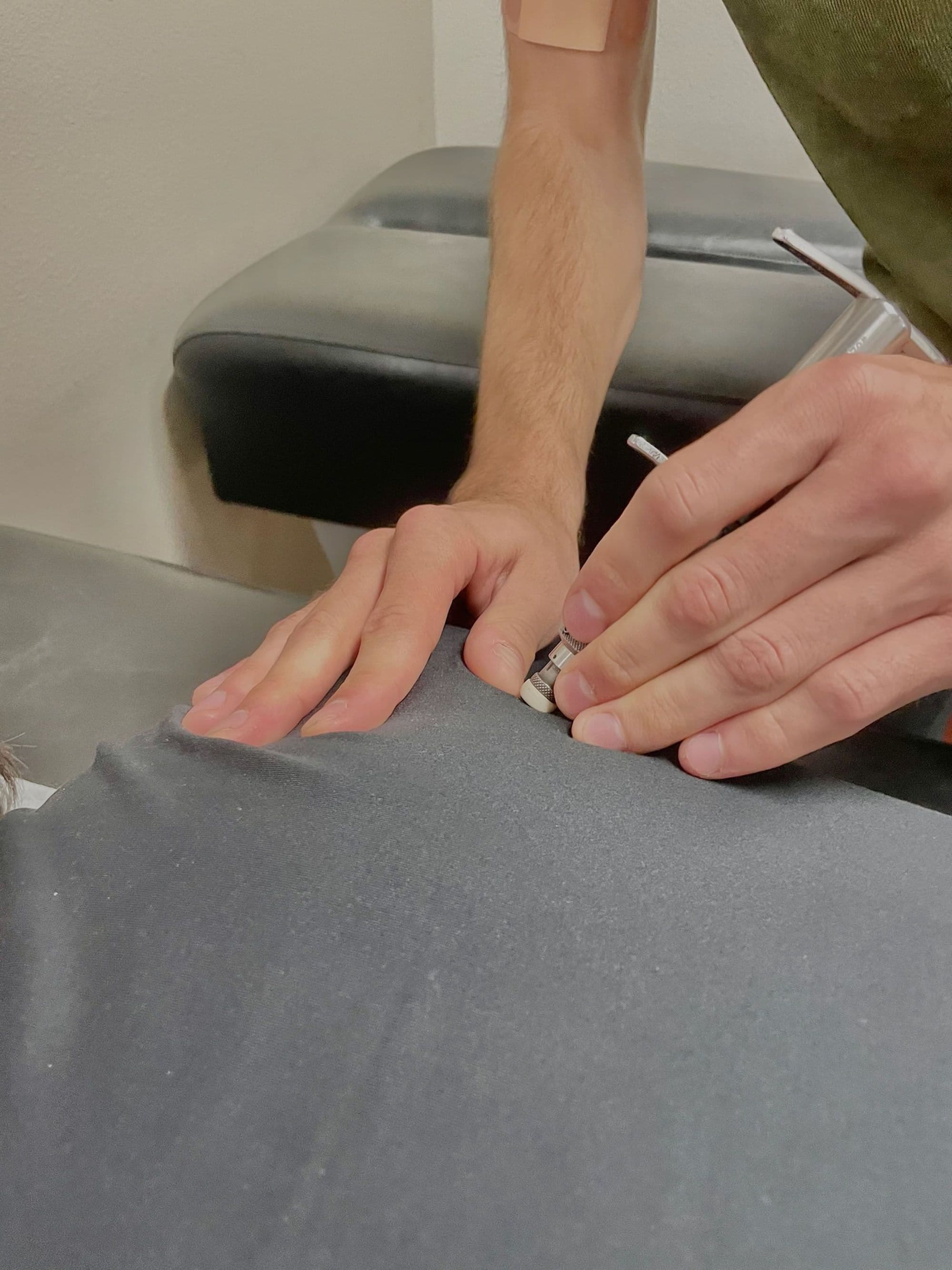
Your right hand keeps going numb, and for most people that is the hand you write, eat, drive, and work with. So when it tingles, feels thick, or seems to fall asleep for no reason, you notice. The short answer: right hand numbness is most often caused by a nerve being squeezed or irritated somewhere between your neck and your fingertips, most commonly at the wrist, at the elbow, or where the nerve roots leave the neck. A broader nerve problem such as peripheral neuropathy is another possibility. Less often, sudden numbness can be a sign of a stroke, and that needs emergency care. Below, we cover the warning signs first, then the usual causes, the clues in your own pattern, and what a thorough, nerve-focused evaluation looks at here in Lakewood Ranch. This is educational information, not a diagnosis.
First, the Red Flags: When Right Hand Numbness Is an Emergency
Call 911 right away if right hand numbness comes on suddenly with any of the following:
- Weakness, numbness, or drooping on one side of the face or body
- Trouble speaking, slurred words, or difficulty understanding what others say
- Confusion, a sudden severe headache, or sudden vision changes
- Trouble walking, dizziness, or loss of balance
- Chest pressure or pain, shortness of breath, cold sweats, or nausea
- A hand or arm that is suddenly cold, pale, or blue, with severe pain
- Numbness after a serious fall, neck injury, or accident
The language centers of the brain sit on the left side for most right-handed people, and the left side of the brain controls the right side of the body. That is why right-sided numbness with any trouble speaking or understanding deserves immediate attention. Note the time symptoms started, do not wait to see if they pass, and do not drive yourself. If none of these are present and your numbness is mild or comes and goes, read on.
Why the Right Hand Goes Numb: Follow the Nerve
The nerves that serve your hand start as roots in the lower neck, travel through the shoulder and down the arm, and pass through narrow tunnels at the elbow and wrist. Pressure or irritation anywhere along that route can show up as numbness or tingling in the matching part of the hand. Three main nerves divide up the hand:
- Median nerve: the thumb, index, middle, and half of the ring finger
- Ulnar nerve: the pinky and the other half of the ring finger
- Radial nerve: the back of the hand near the thumb
So the exact fingers involved are one of the best clues to where the trouble starts.
Common Causes of Right Hand Numbness
Carpal tunnel syndrome
Carpal tunnel is one of the most common reasons a dominant hand goes numb. The median nerve is squeezed as it passes through the wrist, causing numbness, tingling, or burning in the thumb, index, and middle fingers. It often flares at night, while driving, or with gripping, typing, using a mouse, or holding a phone. Since most people use the right hand for these tasks, it is often the first hand to complain. Our post on neuropathy in the fingers versus carpal tunnel explains how to tell them apart.
Ulnar nerve irritation at the elbow
Resting your elbow on a car door or desk, or keeping it bent for long periods while on the phone, can irritate the ulnar nerve at the "funny bone." That usually brings numbness to the pinky and ring fingers. Our post on ulnar nerve numbness goes deeper.
A pinched nerve in the neck
An irritated nerve root in the lower neck can send numbness and tingling into the right arm and hand, sometimes with neck stiffness, shoulder blade pain, or an ache down the arm. Symptoms that change when you turn or tilt your head are a clue that the neck is involved.
Peripheral neuropathy
When many nerves are affected at once, numbness usually shows up on both sides and often starts in the toes and feet before reaching the hands. If only the right hand is involved, a local cause is more likely, but a developing broader nerve problem is still worth ruling out. Our peripheral neuropathy page explains how it typically progresses.
Blood sugar and other health factors
Long-term high blood sugar, low levels of certain vitamins such as B12, thyroid problems, heavy alcohol use, and certain long-term medications can all affect nerve health. Diabetes is one of the most common links, and a medical provider can check for these with simple blood work.
Repetitive work and tools
Gripping a hammer, power tools that vibrate, gardening shears, a golf club, or a pickleball paddle for long stretches can irritate the nerves of the dominant hand. Many people in Lakewood Ranch notice symptoms after a long day on the course or the courts.
Sleeping position
Sleeping on your right arm, or with your wrist curled under your pillow, is one of the most common reasons a hand falls asleep overnight. That kind of numbness usually fades within minutes of moving. If it keeps happening night after night, it is worth looking at your sleep setup and getting checked.
Right Hand vs. Left Hand: Does the Side Matter?
People often ask whether right hand numbness means something different from left hand numbness. For most nerve causes, the side mostly tells you which hand you use more. The dominant hand does more gripping, typing, and tool work, so it is more prone to carpal tunnel and repetitive irritation. Left-sided symptoms get extra attention because of the heart, and right-sided symptoms with speech trouble get extra attention because of the brain. In both cases, the company the numbness keeps matters more than the side. If your left hand is the one going numb, see our post on a numb left hand.
Reading Your Pattern
A few notes can help a provider narrow things down. Jot these down before your visit:
- Which fingers? Thumb, index, and middle point toward the wrist. Pinky and ring point toward the elbow. The whole hand raises the neck or a broader cause.
- Right hand only, or both? One side suggests a local cause. Both sides, or the feet too, raises the question of a broader nerve problem.
- When does it happen? At night, while driving, typing, or with your arm overhead each point somewhere different.
- Neck, shoulder, or arm pain? That points upstream of the wrist.
- Dropping things or a weaker grip? Changes in strength deserve a prompt exam.
- Does it spread up the arm? Numbness and tingling in the right arm and hand together can come from the neck or the shoulder region.
For related patterns, see our numbness in hands and feet page.
Small Things That May Help While You Sort It Out
Each person and case is different, so use these as general ideas, not a plan.
- Keep your wrist neutral. Avoid sleeping, typing, or scrolling with the wrist sharply bent.
- Take grip breaks. Pause tool work, yard work, or long typing sessions and gently open and close your hand.
- Mind your elbow. Avoid leaning on it, and use speakerphone or earbuds instead of holding the phone to your ear.
- Check your workstation. Raise your screen so your head does not drift forward, and keep your mouse close to your body.
- Switch hands when you can. Carry bags or the grocery load with your left hand now and then.
- Keep a symptom log. Note when the numbness starts, how long it lasts, and what you were doing.
What a Nerve-Focused Evaluation Looks At
At The Roots Neuropathy in Lakewood Ranch, we start with your story: when the numbness began, which fingers are involved, what makes it better or worse, and your overall health. If anything sounds like it could involve the brain, heart, or circulation, we send you to the right medical provider first. When it is appropriate to continue, our neuropathy evaluation looks at the whole picture, not just the numb hand. It includes a circulation assessment, a 16-point sensory exam, a balance test, and, when needed, X-rays. Dr. Logan Swaim and our team then explain what we find in plain English and talk through your options. We do not promise a specific result or timeline, because every nerve story is different.
Frequently Asked Questions
Why is my right hand numb?
The most common causes are carpal tunnel syndrome, an irritated ulnar nerve at the elbow, a pinched nerve in the neck, sleeping position, or a broader peripheral neuropathy. Sudden numbness with face drooping, weakness, or speech trouble can be a stroke and needs 911.
Why does my right hand keep going numb?
Numbness that keeps coming back usually follows a pattern, such as gripping, typing, driving, or sleeping on the arm. Because the right hand is the dominant hand for most people, repetitive use often plays a role. If it keeps returning, have it evaluated.
What causes numbness and tingling in the right arm and hand?
When numbness involves both the arm and hand, the source is often higher up, such as an irritated nerve root in the neck or nerves passing through the shoulder region. Broader nerve problems and, rarely, circulation issues can also play a role.
When should I worry about right hand numbness?
Call 911 for sudden numbness with weakness, face drooping, speech trouble, confusion, vision changes, or chest pain. See a provider soon if the numbness is constant, spreading, or comes with weakness or dropping things.
Can a pinched nerve in the neck make my right hand numb?
Yes. An irritated nerve root in the lower neck can send numbness into the hand, often along with neck stiffness or pain near the shoulder blade.
Ready for Answers About Your Numb Hand?
Your right hand does a lot of work for you, and numbness in it is worth understanding rather than ignoring. Schedule a consultation with our team in Lakewood Ranch, serving Bradenton, Sarasota, and the surrounding area, and we will take a careful, nerve-focused look at what is going on.

Medically reviewed by
Founder & Clinical Director of The Roots Neuropathy and author of The Truth About Reversing Neuropathy Now. He leads every neuropathy evaluation and care plan at our Lakewood Ranch clinic.
Learn More
Conditions we help with
Peripheral Neuropathy
Peripheral neuropathy is nerve damage to the peripheral nervous system — the vast network connecting your brain and spinal cord to the rest of your body. Numbness, tingling, burning pain, and weakness in the extremities are its hallmarks. It is treatable.
Learn moreDiabetic Neuropathy
Diabetic neuropathy is nerve damage driven by chronically elevated blood sugar. It is the most common form of neuropathy in the United States, affecting roughly half of all people with type 2 diabetes. Numbness, burning, and tingling in the feet are the classic early signs.
Learn moreRelated Reading
Related articles
Numb Left Hand: Common Causes and When to Get It Checked
A numb left hand is usually a nerve story, but it can also be a warning sign. Learn the common causes, the red flags that need 911, and what a nerve-focused evaluation looks at.
Neuropathy in the Fingers vs. Carpal Tunnel: How to Tell Them Apart
Numbness and tingling in your fingers can come from more than one place. Here's how to tell peripheral neuropathy apart from carpal tunnel syndrome — and what to do next.
Keep Reading
More on neuropathy
Burning Sensation in Legs: What It Can Mean and When to Get Checked
A burning sensation in your legs can come from irritated nerves, circulation changes, or your lower back. Here is how to tell the patterns apart and when to get checked.
Numbness in Fingers: What Your Pattern Can Mean and When to Worry
Numb fingers are usually a nerve being pressed somewhere between your neck and your hand, but sometimes they signal neuropathy or an emergency. Here is how to read your pattern.
Left Arm Numbness: Heart Warning or Nerve Problem? How to Tell
Left arm numbness can signal a heart emergency, but it is far more often a nerve being pressed in the neck, shoulder, elbow, or wrist. Learn the warning signs first, then what your pattern can mean.


