

What Is Neuropathy Pain? Why Nerve Pain Feels Different
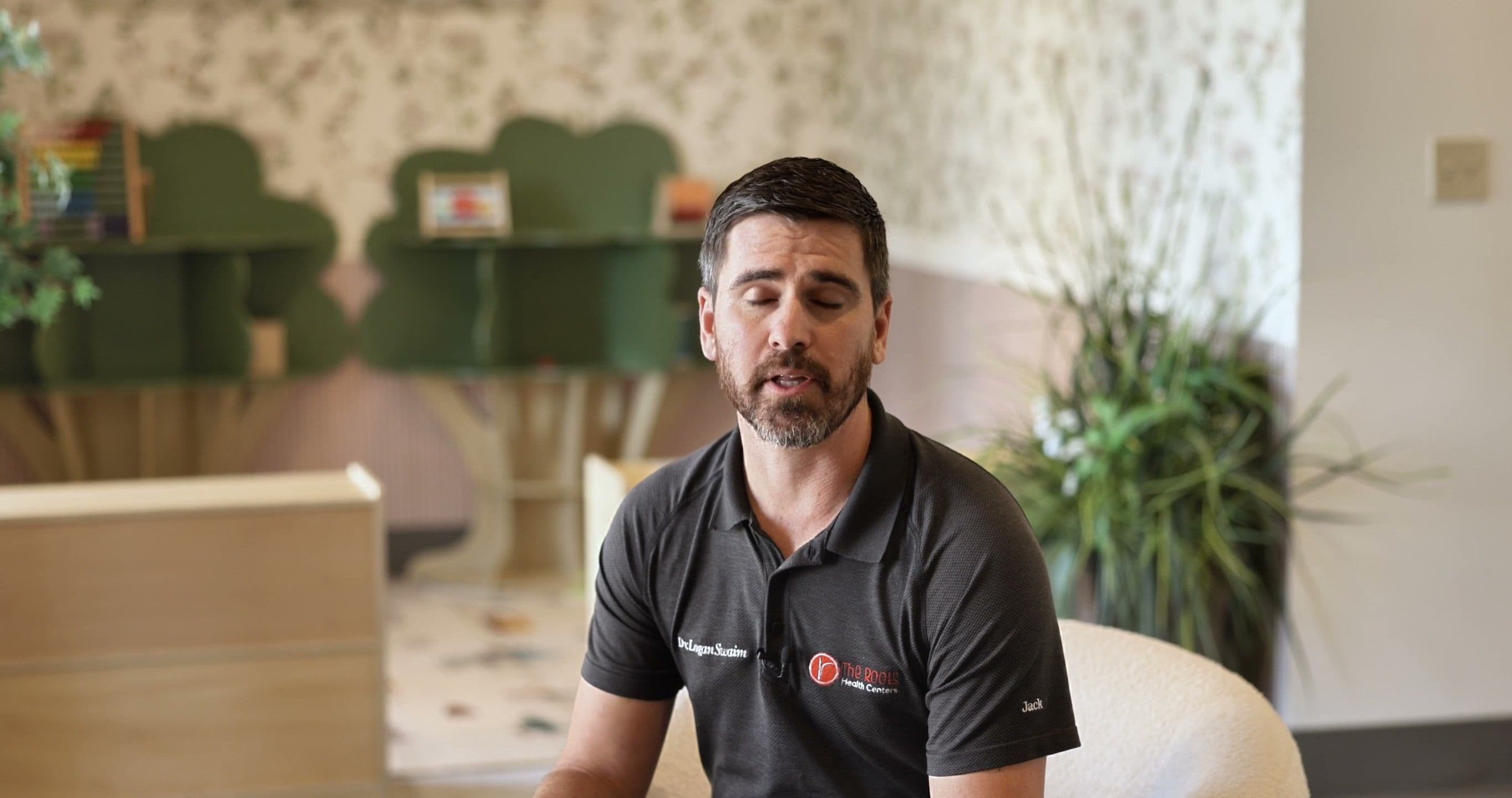
Dr. Logan Swaim, MS, DC
Burning, stabbing, electric, or oddly sensitive to a bedsheet: neuropathy pain doesn't feel like a pulled muscle. Here's what it is, why it feels different, and how to describe it.
It doesn't feel like a sore muscle or a sprained ankle. Maybe it's a burning that creeps up your feet at night, a stab like an electric shock in your toes, or skin so sensitive that a bedsheet feels unbearable. If you've tried to describe this to someone and struggled to find the words, you're not alone. The short answer: neuropathy pain is pain that comes from the nerves themselves, when the signals they send become damaged, misfired, or amplified. That's why it feels so different from the pain of an injured muscle or joint, and why the everyday advice for sore muscles often doesn't match what you're feeling. Below, we'll explain what neuropathy pain is, the main ways it shows up, why it tends to be worse at night, how to describe it clearly to your doctor, and how our team approaches it here in Lakewood Ranch.
What Is Neuropathy Pain?
Your peripheral nerves carry messages between your brain, spinal cord, and the rest of your body: touch, temperature, pressure, position, and pain. When those nerves are irritated, starved of good blood flow, compressed, or damaged, the messages can go wrong. Instead of reporting accurately what is happening in your foot, the nerve may send alarm signals when nothing is hurting it, or garbled signals that your brain interprets as burning, buzzing, or shocks.
That is the essence of neuropathy pain. The pain is not coming from damaged tissue the way a bruise or a strain would. It's coming from a signaling system that has gone off-track. Our team often describes neuropathy as the body's check engine light: it tells you something deserves a closer look, and the pain is part of that warning. You can read more about the overall picture on our peripheral neuropathy page, and about the starting point in what neuropathy is.
How Neuropathy Pain Is Different From Other Kinds of Pain
Muscle and joint pain usually follow a pattern you can predict. You overdid it, you move a certain way, it hurts; you rest, it eases. Neuropathy pain often breaks those rules:
- It can show up without a trigger. Pain may arrive at rest, at night, or while sitting still.
- It can be out of proportion. A light touch, a sock, or a breeze may hurt more than a firm squeeze.
- It often has a quality words struggle with. Burning, electric, pins and needles, crawling, icy, or tight like a band.
- It tends to travel in a pattern. Many people first notice it in the toes and feet, then in the hands, in a sock-and-glove distribution. See our post on stocking-glove neuropathy.
- It can pair with numbness. Strangely, a foot can feel both painful and numb at the same time.
- It may come and go. Flares and quiet stretches are common, as we describe in managing neuropathy flare-ups day to day.
If your pain doesn't fit the usual rules, that mismatch is itself valuable information to share with your doctor.
The Main Types of Neuropathy Pain
Burning pain
This is the one many people mention first: feet that feel like they're on a hot surface, or a burning ache that rises from the toes. It often becomes more noticeable in the evening. Our page on burning pain and our post on burning feet at night explain this pattern in more detail.
Sharp, stabbing, or electric pain
Brief jolts that feel like a shock or a stab can fire without warning, often in the toes, shins, or hands. Some people describe them as lightning bolts. We cover the pattern on our sharp, stabbing pain page.
Tingling, buzzing, and pins and needles
Not always painful at first, but frequently uncomfortable, these sensations can ramp up and feel like static, vibration, or insects crawling under the skin. See itching, crawling, and tingling skin and why feet feel like they're vibrating.
Heightened sensitivity to touch
Sometimes the nerves become so reactive that ordinary contact, like bedsheets, socks, or water in the shower, is painful. This is sometimes called allodynia. Our page on sensitivity to touch describes it.
Deep aching and cramping
Some people feel a deep, gnawing ache in the feet or legs, or muscles that cramp and clench at night. The nerves that control muscles can be affected too, as in our post on toes cramping and curling at night.
Numbness with pain
Numb areas can still hurt. Reduced feeling, combined with painful signals, can be confusing, and the numbness also raises the risk of unnoticed injuries. See numbness in the toes.
Why Neuropathy Pain Is Often Worse at Night
Many people say the evening is the hardest part of the day. There are a few reasons that may play a part:
- Fewer distractions. During the day, activity and conversation compete for your brain's attention. At night, there's nothing to compete with the signals.
- Warmth under the covers. Heat can aggravate sensitive nerves, and bedding traps it around the feet.
- Position and circulation changes. Lying flat changes how blood moves through the legs.
- Fatigue and stress. Being tired and worried tends to turn the volume of every sensation up.
- Contact with bedding. If your skin is oversensitive, even a light sheet can feel intense.
If nights are rough, our guide to sleeping with peripheral neuropathy offers practical ideas.
What Can Be Behind Nerve Pain
Neuropathy pain is a symptom, not a diagnosis. Many different things can irritate or damage peripheral nerves, including:
- Blood sugar problems, including diabetes and prediabetes
- Nutritional gaps, such as low levels of certain B vitamins
- Alcohol use over time
- Pressure on a nerve at a joint or in the spine
- Circulation problems
- Autoimmune conditions
- Past injuries or surgeries
- Thyroid or kidney problems
- Sometimes, no clear cause at all
Finding the contributors is a central part of understanding your pain. That's why a thorough look, rather than a quick guess, matters so much. Our post on what causes peripheral neuropathy goes through the list in more depth.
How to Describe Your Nerve Pain Clearly
The better you can describe what you feel, the more useful your appointment will be. Before you go, try jotting down:
- Where: One foot or both? Toes only, or up the leg? Hands too?
- What it feels like: Burning, stabbing, electric, tight, crawling, icy, deep ache?
- When: Constant, or at certain times of day? Worse at night?
- What makes it better or worse: Walking, rest, heat, cold, socks, shoes, bedsheets?
- What else you notice: Numbness, weakness, balance problems, tripping, or cold feet?
- How it affects your life: Sleep, walking, driving, work, the activities you love?
- A pain rating from 0 to 10 at its worst and its best.
A week of simple notes can reveal patterns that help the doctor understand what is going on.
Warning Signs: When to Get Checked Promptly
Chronic nerve pain deserves attention, but some changes need prompt medical care. Please contact a medical provider quickly, or call 911 when appropriate, if you notice:
- Sudden weakness, trouble speaking, facial droop, or sudden severe headache
- Rapidly spreading numbness or weakness in the legs
- Loss of bladder or bowel control, or numbness in the groin
- A foot wound, blister, or sore that isn't improving, especially if you have diabetes
- Red, hot, swollen skin on a foot or leg, or fever
- Falls or near-falls that are becoming more frequent
Because numb feet can hide injuries, it's wise to check them regularly, a habit we describe in our diabetic neuropathy foot care checklist.
Gentle Comfort Strategies Many People Find Helpful
These are general ideas, not a substitute for being evaluated, and everyone responds differently:
- Keep feet cool and comfortable at night. Loose, breathable bedding and a lightly cooled room can be gentler on sensitive nerves.
- Wear soft, seamless socks and supportive shoes. Footwear that reduces friction and pressure can calm irritation.
- Keep moving in ways that feel good. Easy walking supports circulation. See walking and staying active with neuropathy.
- Establish a wind-down routine. A calm evening routine may turn the volume down on nighttime sensations.
- Build a balanced, nutrient-rich diet. Nerves rely on good fuel. Our post on foods that support nerve health is a good start.
- Look after your whole nervous system. Stress, sleep, and blood sugar all play a part in how loud nerve signals feel.
If you take any medications or supplements, talk with your medical doctor before changing anything.
How We Look at Neuropathy Pain at The Roots Neuropathy
At The Roots Neuropathy in Lakewood Ranch, we believe you deserve another conversation about what's possible. We start by listening to how your pain behaves, then we take a careful look at how your nerves are functioning. That begins with our neurological evaluation: a circulation assessment, a 16-point sensory exam, a balance test, and any necessary X-rays, so we can see where your nervous system is struggling rather than guess.
From there, our doctors explain what they found in plain language and talk through options that may fit your situation. Each person and case is different, so we take a personalized approach based on what your body needs. If anything we see calls for your medical doctor or a specialist, we'll tell you plainly. You can see how our approach fits together on our care options page.
Frequently Asked Questions
What is neuropathy pain?
Neuropathy pain is pain that comes from irritated or damaged nerves, rather than from injured muscle or joint tissue. The nerves send abnormal signals, which you may feel as burning, stabbing, electric shocks, or tingling.
What does neuropathy pain feel like?
People commonly describe burning, pins and needles, electric jolts, crawling, icy cold, or extreme sensitivity to touch. It often starts in the toes and feet and can also affect the hands.
Why does neuropathy pain get worse at night?
Fewer distractions, warmth under the covers, changes in circulation when lying flat, fatigue, and contact with bedding can all make nerve signals feel louder at night.
Is neuropathy pain different from regular pain?
Yes. It often appears without a clear trigger, may be out of proportion to a touch, and can come with numbness, which isn't typical of a muscle strain.
Should I see a doctor about nerve pain?
Yes. Nerve pain is a signal worth investigating, since many conditions can contribute. Seek prompt care if you notice sudden weakness, rapidly spreading numbness, or a wound that won't improve.
Let's Look at Your Nerve Pain Together
You don't have to keep wondering why your feet feel the way they do. If nerve pain is wearing you down, our team would like to listen, look closely, and explain what we find. Schedule your consultation and bring your questions.

Medically reviewed by
Founder & Clinical Director of The Roots Neuropathy and author of The Truth About Reversing Neuropathy Now. He leads every neuropathy evaluation and care plan at our Lakewood Ranch clinic.
Learn More
Conditions we help with
Related Reading
Related articles
What Does Neuropathy Feel Like? A Symptom-by-Symptom Breakdown
Burning, buzzing, walking on cotton, invisible socks — a symptom-by-symptom breakdown of how neuropathy actually feels, in the words patients use.
Burning Feet at Night: Why It Happens and How to Ease It
If your feet burn worse once the lights go out, you're not imagining it. Here's why burning feet flare at night and what may help you find relief.
Managing Neuropathy Flare-Ups Day to Day
Some days your nerve symptoms spike for no clear reason. Here's what usually triggers a neuropathy flare-up, what helps in the moment, and how to build a day-to-day routine that reduces them.
Keep Reading
More on neuropathy
Charcot-Marie-Tooth Disease: What It Is and What Causes It
Charcot-Marie-Tooth is an inherited form of neuropathy that often starts in the feet. Here's what it is, what causes it, common signs, and how it's evaluated.
What Is CIDP? A Plain-English Guide to This Rare Nerve Condition
CIDP is a rare, immune-related nerve condition that can look like other neuropathies at first. Here's what it is, what to watch for, and how it's evaluated.
Does Red Light Therapy Help Neuropathy? What to Know Before You Try It
Curious whether red light or laser therapy can help neuropathy? Here's how it works, what research does and doesn't show, and where it fits in a bigger plan.


