

Cold Hands and Neuropathy: Why Air Conditioning Makes It Worse
Dr. Logan Swaim, MS, DC
If your hands go cold, numb, or achy the moment you walk into air conditioning, neuropathy may be part of the story. Here's why it happens and what can help.
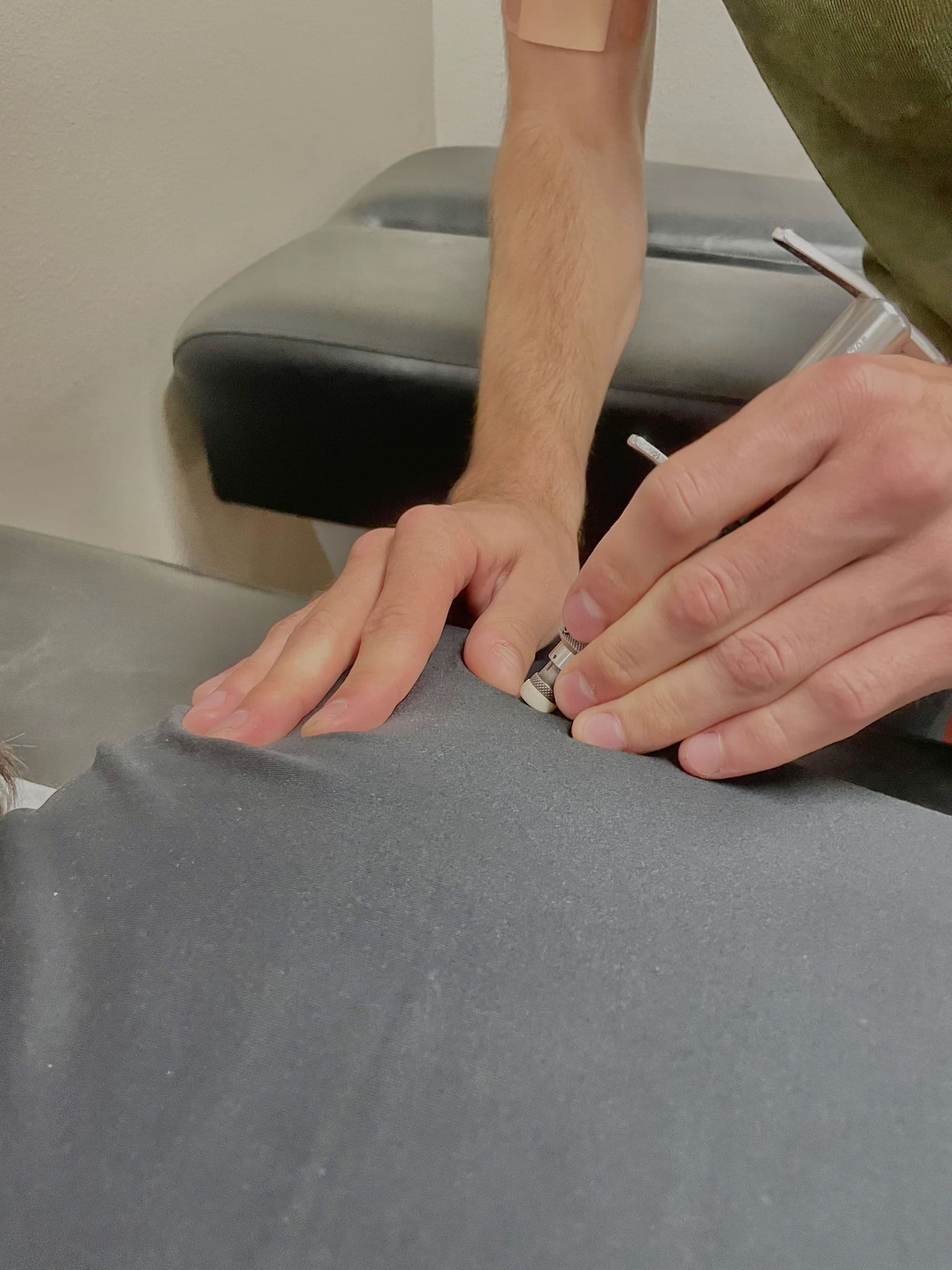
You step out of the Florida heat into a freezing grocery store or restaurant, and within minutes your fingers feel icy, stiff, and strangely numb. If that sounds familiar, cold hands with neuropathy may be what you're dealing with, and air conditioning is one of the most common triggers people mention. The short answer: the nerves that sense temperature and help manage blood flow in your hands can become oversensitive or less reliable when they're not working well, so a cool room can feel far more intense, and your fingers may react with pain, tingling, or numbness. Below, we'll explain what's happening, other causes worth knowing about, practical ways to stay comfortable, and when it's time to get a closer look. This is educational, not a replacement for care from your own provider.
Why Cold Hands and Neuropathy Often Go Together
Your hands are packed with nerve fibers that do several jobs at once. Some carry touch and pressure. Some sense temperature and pain. Others, part of the autonomic system, quietly tell the tiny blood vessels in your fingers when to open or narrow to keep your hands at a comfortable temperature.
When those nerves are irritated or damaged, the signals can get scrambled in a few ways:
- Temperature readings can be exaggerated. A mild chill may register as burning cold or aching pain.
- Temperature readings can be dulled. You may not notice how cold your hands really are until they're stiff and clumsy.
- Blood vessel control can be less smooth. If the vessels clamp down too strongly or don't adjust well, fingers can turn pale, cold, or numb.
- Tingling and numbness can ramp up. Cold tends to make nerves less comfortable, which can amplify symptoms that were already there.
If you'd like a broader look at how neuropathy shows up in the fingers and palms, our guide to neuropathy in the hands walks through common patterns.
Why Air Conditioning Is Such a Common Trigger
In Lakewood Ranch and across Southwest Florida, the swing between outdoor heat and indoor cold is dramatic. That swing matters for sensitive nerves.
- The temperature drop is sudden. Going from the outdoor heat into a cold, dry room can shock the small vessels in your fingers.
- Cold, dry air can pull heat away quickly. Hands are small and exposed, so they lose warmth faster than your core.
- Direct airflow makes it stronger. Sitting under a vent, in a cold car, or near a refrigerated aisle adds extra chill.
- Long exposure adds up. An hour in a chilly office or theater gives sensitive nerves more time to complain.
Many people say the hands feel worse at night too, when the bedroom is cool and the body is still. Our post on why neuropathy is worse at night covers that pattern. And the same sensitivity can show up in the feet; see cold feet and poor circulation for how the two connect.
Other Reasons Hands Can Run Cold
Cold hands don't always mean neuropathy, and neuropathy isn't always the whole story. A few other things are worth knowing about:
- Circulation problems. Narrowed or stiff blood vessels can limit warm blood reaching the fingers. Our overview of neuropathy and circulation explains how circulation and nerves influence each other.
- Raynaud's-type reactions. Some people's fingers turn white or blue in the cold, then red and painful as they warm. This pattern is worth mentioning to a clinician.
- Thyroid and other whole-body factors. Our guide to thyroid problems and neuropathy shows why a broader look can matter.
- Nutrient gaps. Low levels of some vitamins can affect nerves, as we discuss in our posts on vitamin B12 and neuropathy and vitamins for neuropathy.
- A pinched nerve in the neck or wrist. Compression can send tingling and coldness into the hands, which is why we also look at the spine and wrist, as in neuropathy in the fingers vs. carpal tunnel.
Because so many things can look alike, guessing rarely gets you far. Sorting out which pattern fits you is the real work.
Practical Ways to Stay Comfortable in Cold Rooms
These everyday habits don't address the cause, but they can make daily life easier while you get answers.
- Carry a light layer. A thin cardigan or sleeves that cover your wrists help keep your hands from cooling as fast.
- Keep gloves or fingerless gloves handy. Thin, soft gloves in your purse, glove box, or work bag can take the edge off a cold store or office. Choose a loose fit so they don't squeeze. Our post on compression gloves for hand neuropathy explains what to know before wearing snug options.
- Warm up gradually. When your hands are cold, warm them slowly. Gentle warmth, like tucking them under your arms or holding a warm, not hot, mug, is safer than very hot water or heating pads, because numb skin can burn without you noticing.
- Check temperatures with a part that senses well. Test bath water or a heating device with your elbow or a thermometer instead of your fingers.
- Avoid sitting under vents. If you can, move your seat out of the direct airflow or aim the vent away.
- Keep your hands moving. Gently opening and closing your fingers or changing tasks every so often can help blood flow.
- Protect your skin. Cold, dry air can crack skin. Use a gentle moisturizer and check your fingertips for cuts or sores you might not feel.
If your hands feel better with these steps, great. If they don't, or if symptoms are changing, that's a sign to look deeper.
Signs You Shouldn't Wait On
Get medical attention promptly if cold hands come with:
- Fingers that turn very pale, blue, or dark and don't recover as they warm
- Open sores, blisters, or skin changes on the fingertips
- Sudden weakness, trouble gripping, or loss of coordination
- Sudden numbness along with face drooping, trouble speaking, or confusion, which can be a sign of stroke and needs a 911 call
- Chest pain or shortness of breath
For symptoms that develop gradually, schedule an evaluation soon rather than waiting for them to settle on their own.
What Looking Deeper Involves
At The Roots Neuropathy in Lakewood Ranch, we begin with your story: when your hands feel worst, what you've noticed over time, and what you've already tried. Our neuropathy evaluation brings together a full neurological evaluation, a circulation assessment, a 16-point sensory exam, and a balance test, along with X-rays when they're necessary, so we can see how your nerves and blood flow are behaving instead of guessing.
Temperature sensitivity is a common reason people come in. Our pages on temperature sensitivity and numbness in the hands and feet describe how we think about these symptoms, and our page on peripheral neuropathy explains the bigger picture. Dr. Logan Swaim often compares symptoms like these to a check-engine light: they tell you something deserves attention, even if the light doesn't say exactly where the issue is.
If something outside our scope looks likely, we'll say so and point you toward the right specialist. If nerve function is part of the picture, we'll explain which options may fit you and what's realistic, including the approaches on our treatments page.
Frequently Asked Questions
Why are my hands so cold with neuropathy?
Nerves that sense temperature and help control blood flow in the fingers may not be working smoothly. Your hands can feel colder than they are, run colder because vessels aren't adjusting well, or both.
Why does air conditioning make my neuropathy worse?
The sudden drop from outdoor heat to cold, dry indoor air can overload sensitive nerves, and direct airflow adds to the chill. For many people, that leads to more pain, tingling, or numbness in the fingers.
Are cold hands always a sign of neuropathy?
No. Circulation problems, thyroid issues, nutrient gaps, Raynaud's-type reactions, and pinched nerves can also cause cold hands. A proper evaluation helps sort out which pattern fits.
Is it safe to use a heating pad on numb hands?
Use caution. If your hands are numb or less sensitive, you may not feel a burn until it's happened. Gentle, mild warmth and checking temperature with a body part that senses well is safer than high heat.
Get Answers Instead of Just Layers
Bundling up helps in the moment, but cold hands that keep returning deserve a closer look. If you'd like to understand what's behind yours, our team in Lakewood Ranch would be glad to walk you through it. Schedule your neuropathy consultation to get started.

Medically reviewed by
Founder & Clinical Director of The Roots Neuropathy and author of The Truth About Reversing Neuropathy Now. He leads every neuropathy evaluation and care plan at our Lakewood Ranch clinic.
Learn More
Conditions we help with
Peripheral Neuropathy
Peripheral neuropathy is nerve damage to the peripheral nervous system — the vast network connecting your brain and spinal cord to the rest of your body. Numbness, tingling, burning pain, and weakness in the extremities are its hallmarks. It is treatable.
Learn moreSmall Fiber Neuropathy
Small fiber neuropathy is damage to the smallest nerve fibers — the ones that carry pain and temperature signals and help run automatic functions. It causes burning, stabbing, and hypersensitivity, often with completely normal EMG results. Your symptoms are real, and they have an explanation.
Learn moreRelated Reading
Related articles
Neuropathy in the Hands: What Tingling, Numbness, and Weakness in Your Fingers Can Mean
Tingling, numbness, or weak grip in your hands can signal nerve trouble. Here's what those sensations may mean, why they happen, and where to start.
Cold Feet and Poor Circulation: What's the Connection?
If your feet stay cold no matter how many socks you wear, it may be more than poor circulation. Here's what's actually going on, and when to look closer.
Neuropathy and Circulation: The Connection
Cold feet and neuropathy often get lumped together as 'bad circulation' — but the relationship between nerve damage and blood flow is more nuanced than that. Here's what's really going on.
Keep Reading
More on neuropathy
Ulnar Nerve Numbness: Why Your Pinky and Ring Finger Tingle
Tingling in your pinky and ring finger can point to the ulnar nerve. Here's how it differs from broader neuropathy and why a proper evaluation matters.
Foot Drop and the Peroneal Nerve: What It Can Mean
A foot that catches, drags, or slaps down when you walk is called foot drop. Here's what the peroneal nerve has to do with it and why an evaluation matters.
Heel Numbness: When It's Nerve-Related and What to Look For
A numb heel can come from a squeezed nerve, the low back, or a broader nerve pattern. Here's how to tell the clues apart and when to get it checked.


